Isla Del Sol
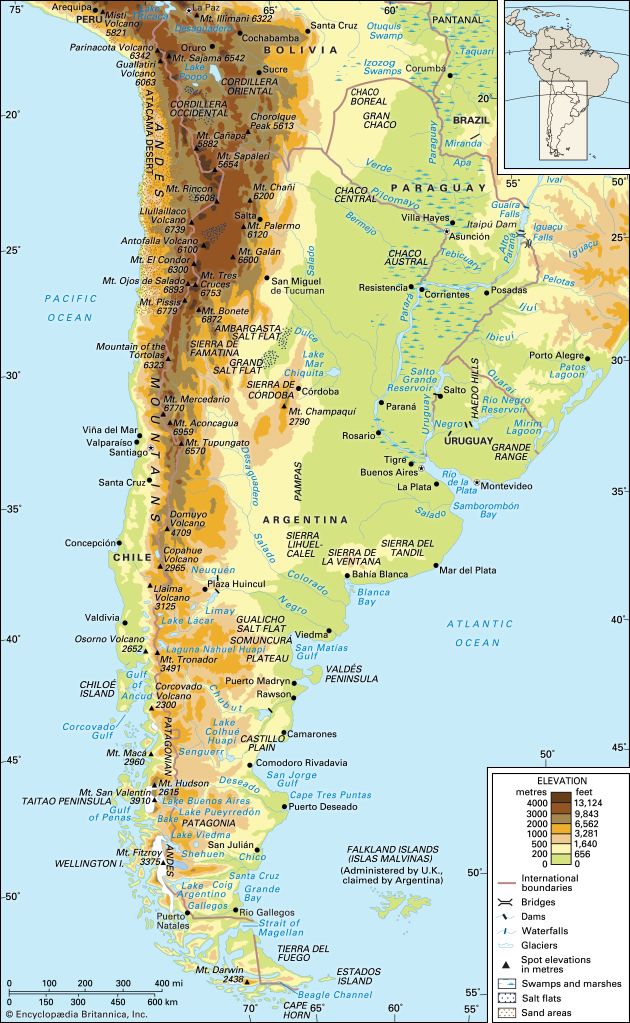
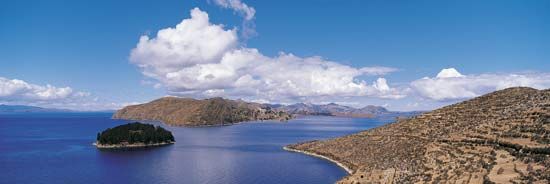
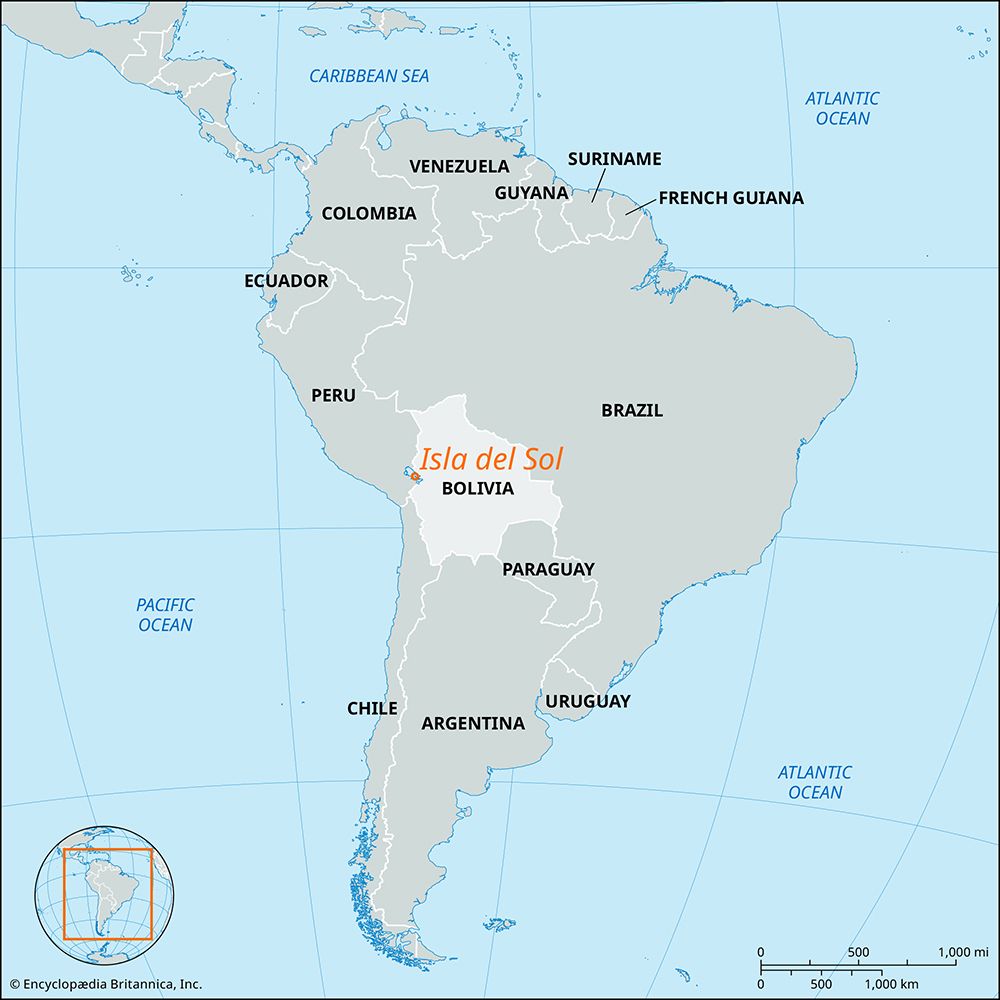
Isla del Sol (Island of the Sun) is located in the Bolivian sector of Lake Titicaca, situated just northwest of the Copacabana peninsula.
Where is Isla del Sol located and what body of water surrounds it?
Isla del Sol (Island of the Sun) is located in the Bolivian sector of Lake Titicaca, situated just northwest of the Copacabana peninsula.12
The island is surrounded by the waters of Lake Titicaca, which is the world’s highest lake navigable to large vessels, located in the Andes Mountains on the border between Bolivia and Peru. Covering approximately 5.5 square miles, the island is historically significant as a center of pre-Columbian settlement and is traditionally regarded by the Inca as the birthplace of their dynasty.21
Are there any interesting myths or legends associated with Isla del Sol?
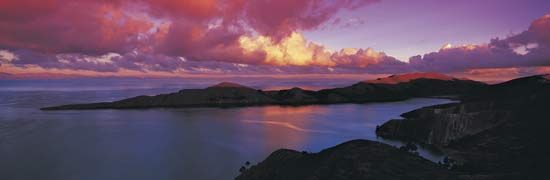
Isla del Sol is deeply rooted in Inca mythology, serving as a sacred site of origin for their civilization. According to tradition, the island is the birthplace of the Inca dynasty, as it was the location where the sun god sent the founders, Manco Capac and Mama Ocllo, to Earth.1
The island derives its name from the Temple of the Sun, which was constructed to honor this foundational legend. This site was considered a vital religious center, and its significance is further highlighted by the nearby Isla de la Luna (Island of the Moon), which also features ancient ruins. These locations were part of a broader landscape of huacas, or sacred sites, that defined the spiritual geography of the Andean people, connecting their daily lives and agricultural practices to their divine origins.13
What are some of the most important archaeological sites on Isla del Sol?
Isla del Sol features several significant archaeological remains that highlight its importance as a pre-Columbian center. The most notable sites include:
- Temple of the Sun: The island’s namesake, this site is traditionally recognized as the location where the Inca founders, Manco Capac and Mama Ocllo, were sent to Earth by the sun god. It is believed to have been constructed during the reign of Topa Inca Yupanqui.1
- Inca’s Palace (Pilco Kayma): This is the best-preserved structure on the island. It is a two-story building measuring 50 by 43 feet, featuring galleries carved directly from the living stone and surrounded by historical fountains and gardens.1
- Agricultural Terraces: Many stone terraces dating back to the Inca period remain on the island. These structures are still maintained and utilized for agriculture today.1
Additionally, the nearby Isla de la Luna (Island of the Moon) contains its own set of Inca ruins, further contributing to the region’s archaeological significance.1
How does Isla del Sol compare to other significant islands in Lake Titicaca?
Isla del Sol, located in the Bolivian sector of Lake Titicaca, stands out among the lake’s 41 islands primarily due to its profound historical and mythological significance. While many islands in the lake are inhabited, Isla del Sol is distinguished as a major center of pre-Columbian settlement and the legendary birthplace of the Inca dynasty.12
Compared to other islands, Isla del Sol is uniquely defined by its concentration of sacred sites, including the Temple of the Sun and the well-preserved Inca’s Palace. Its proximity to the smaller Isla de la Luna (Island of the Moon), which also houses Inca ruins, creates a localized cluster of spiritual and archaeological importance that is central to Andean history.1
In contrast, other areas of the lake are known for different cultural and geographical features. For example, some regions are home to the Uru people, who reside on unique floating islands made of dried totora reeds, a tradition distinct from the stone-based architectural legacy found on Isla del Sol.2
Sources
- Isla del Sol — Encyclopædia Britannica
- Lake Titicaca — Encyclopædia Britannica
- Pre-Columbian civilizations - Temples and shrines — Encyclopædia Britannica
Published on · 3 min read