Isles of Scilly
The most prominent legend associated with the Isles of Scilly is the myth of Lyonnesse, a "lost" land said to have once connected the islands to the Cornish…
Are there any notable folklore or legends associated with the Isles of Scilly?
The most prominent legend associated with the Isles of Scilly is the myth of Lyonnesse, a “lost” land said to have once connected the islands to the Cornish mainland.1
While the name Lyonnesse was popularized in Thomas Malory’s Le Morte Darthur as the homeland of the hero Tristan, the concept of a submerged region between the islands and St. Michael’s Mount predates this literary connection. A tradition dating back to at least the 13th century describes a submerged forest in this area, and 15th-century accounts, such as those by William of Worcester, detail a landmass that supposedly vanished beneath the English Channel. The name Lyonnesse was later applied to this submerged territory by the antiquary Richard Carew and subsequently recorded in William Camden’s Britannia in 1586.1
Beyond this myth, the islands are rich in physical history, featuring prehistoric barrows and pillars that reflect their long-standing human presence.2
What is the history of human settlement on the Isles of Scilly?
The history of human settlement on the Isles of Scilly is evidenced by various prehistoric remains, including barrows and standing stones, which indicate a long-standing human presence on the islands.1
Following these early periods, the islands’ administrative history became more documented. In the early 12th century, Henry I granted the islands to the abbot of Tavistock. By the 16th century, they transitioned to crown property and were leased to Francis Godolphin, who constructed Star Castle in 1593. The islands later played a role in the English Civil Wars, during which they were held by royalist supporters. In 1834, Augustus Smith took over as the islands’ lessee, and eventually, in 1933, the main islands were transferred to the British crown.1
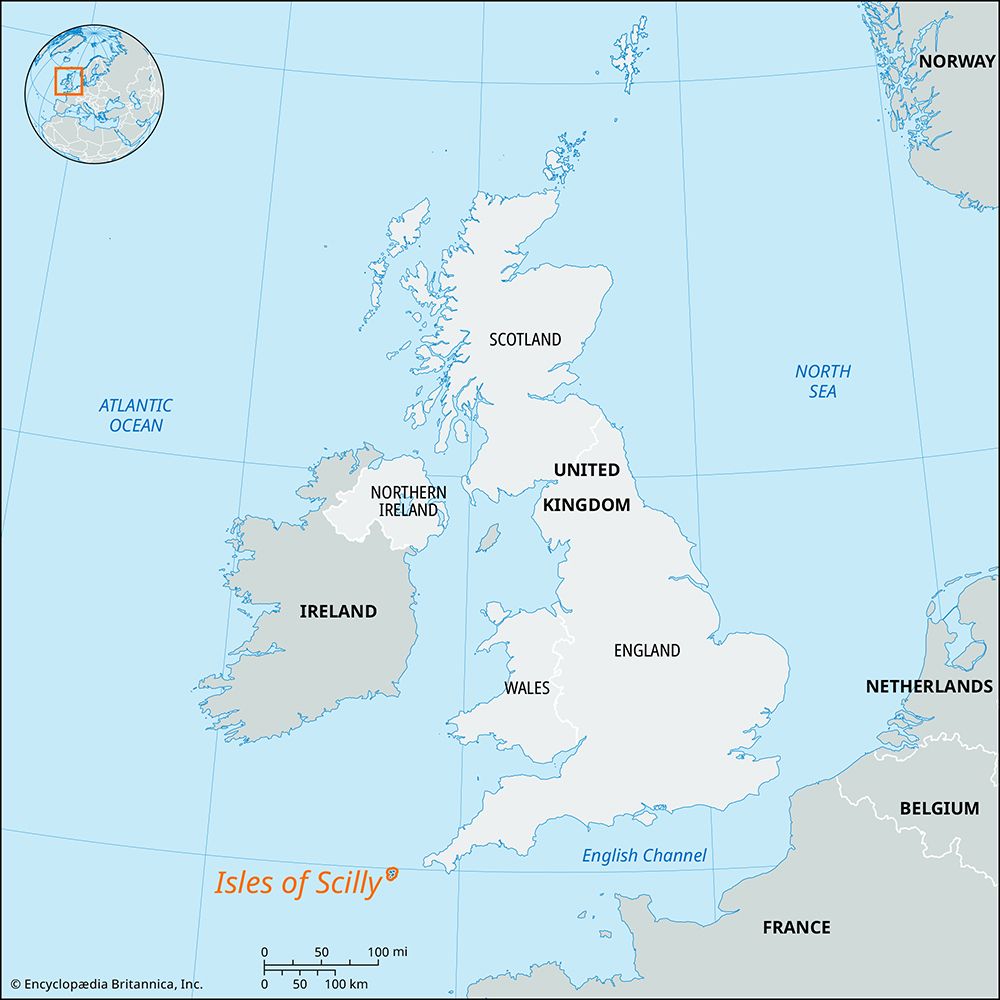
Today, only five of the islands are inhabited: St. Mary’s, Tresco, St. Martin’s, Bryher, and St. Agnes. The majority of the population resides on St. Mary’s, which serves as the administrative center.1
Are there any unique flora or fauna species found on the Isles of Scilly?
The Isles of Scilly possess a distinct environment compared to the English mainland, largely due to their exceptionally mild climate. This unique setting allows a variety of subtropical plants to flourish across the islands.1
The islands also serve as a significant habitat for diverse wildlife:
- Seals: These animals are commonly found inhabiting the rocks and islets surrounding the archipelago.1
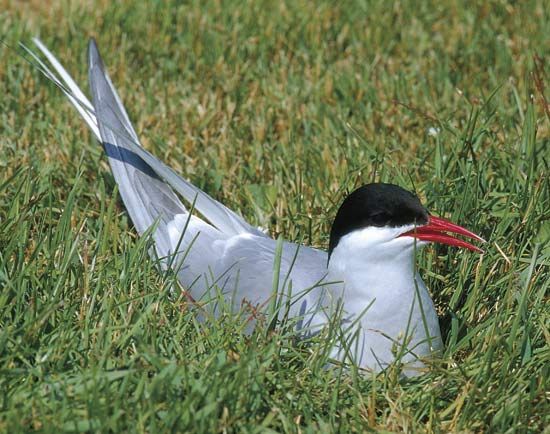
- Seabirds: The islands host an immense variety of bird species. Notably, the roseate tern is considered the rarest British breeding tern, and the islands provide the only breeding site in Britain for the Manx shearwater.1
This mild climate is also a key factor in the local economy, supporting commercial flower growing and vegetable farming that would be difficult to sustain in other parts of the United Kingdom.1
How does the climate of the Isles of Scilly differ from mainland England?
The climate of the Isles of Scilly is notably milder than that of mainland England. While the mainland experiences more varied seasonal temperature fluctuations, the islands maintain an exceptionally mild environment with mean monthly temperatures ranging from 45 to 62 °F (7 to 16 °C).1
This temperature stability is a defining characteristic of the archipelago, directly influencing its unique ecology and economy:
- Flora and Fauna: The mild conditions allow many subtropical plants to flourish, creating a landscape distinct from the English mainland. The islands also provide specialized habitats for wildlife, such as the Manx shearwater, which finds its only British breeding site there.1
- Agriculture: The climate supports commercial flower growing and vegetable farming, industries that are significantly more challenging to sustain in the colder, more variable conditions found on the mainland.1
Sources
- Isles of Scilly — Encyclopædia Britannica
- Lyonnesse — Encyclopædia Britannica
- Scilly, Isles of — Merriam-Webster
- Scillonian — Merriam-Webster
- Scotland - Ancient times — Encyclopædia Britannica
Published on · 3 min read