Jamaica
Jamaican culture is a vibrant synthesis of African and European influences, characterized by a deep connection to folk traditions and rhythmic expression.
How would you describe Jamaica’s culture, including music, language, and traditions?
Jamaican culture is a vibrant synthesis of African and European influences, characterized by a deep connection to folk traditions and rhythmic expression.12
Music and Language
Music is central to Jamaican identity. The island birthed ska, which evolved into reggae—a global phenomenon that became a voice for the oppressed through artists like Bob Marley and Peter Tosh. Later, dancehall music emerged, known for its rhythmic “toasting” or rapping. Linguistically, while standard English is used in public institutions, Jamaican Creole is an intrinsic part of the island’s literary and oral culture, celebrated for its rhythmic nature.342
Traditions and Daily Life
Family life is the cornerstone of society, often featuring multi-generational households. Culinary traditions include staples like rice and peas, yams, and the popular spiced jerk meat. Cultural heritage is further preserved through the Jamaica National Heritage Trust and annual festivals that commemorate independence and emancipation. Additionally, the Rastafarian movement remains a significant, albeit small, cultural influence known for its distinct spiritual practices and advocacy for justice.534
What is Jamaica’s system of government and how does it function?
Jamaica operates as a constitutional monarchy with a parliamentary system of government, established under the Jamaica (Constitution) Order in Council of 1962.7
Executive and Legislative Structure
- Head of State: The British monarch serves as the titular head of state. They appoint a governor-general to represent them, acting primarily on the recommendation of the prime minister.7
- Head of Government: The prime minister is the head of government and is appointed by the leading political party from its members in parliament.7
- Parliament: Jamaica has a bicameral legislature consisting of:
- Cabinet: This is the principal policy-making body, led by the prime minister and including at least 11 other ministers.7
Political Process
The political landscape is dominated by two main parties: the Jamaica Labour Party (JLP) and the People’s National Party (PNP). General elections are held at least every five years, though the governing party may call for early elections. Citizens aged 18 and older are eligible to vote, a right held since universal suffrage was established in 1944.87
What is the geographical location and size of Jamaica?
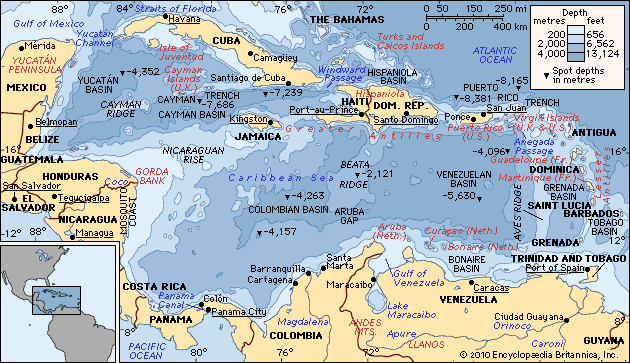
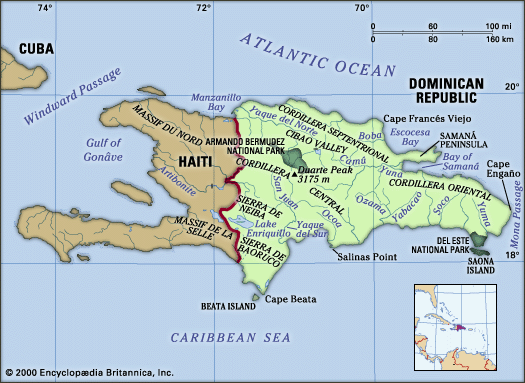
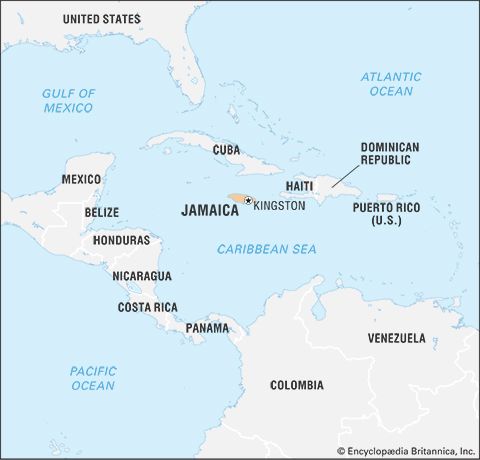
Jamaica is an island country located in the West Indies and is the third-largest island in the Caribbean Sea, following Cuba and Hispaniola.11
Geographical Position
The island is situated approximately 90 miles (150 km) south of Cuba and 100 miles (160 km) west of Haiti. It lies about 390 miles (630 km) northeast of the nearest point on the Central American mainland, Cape Gracias a Dios.12
Size and Dimensions
Jamaica covers a total land area of 4,227 square miles. The island measures approximately 146 miles (235 km) in length, with a width that varies between 22 and 51 miles (35 to 82 km).1211
How has Jamaica’s athletic prowess, especially in track and field, impacted its global reputation?
Jamaica’s global reputation has been significantly bolstered by its distinguished Olympic record in track and field, a legacy that began with medal successes in 1948. This athletic prowess has established the island as a powerhouse in international sprinting, most notably through the achievements of Usain Bolt.13
Bolt’s historic performances—specifically becoming the first person to win gold in both the 100-metre and 200-metre sprints at three consecutive Olympic Games (2008, 2012, and 2016)—have cemented Jamaica’s status as a premier nation in global athletics. Beyond sprinting, the country’s sporting profile has been further elevated by other notable milestones, such as Deon Hemmings winning Jamaica’s first gold medal in a women’s event at the 1996 Atlanta Games.1310
Additionally, the international popularity of the Jamaican national bobsledding team, which gained fame at the 1988 Winter Games and inspired the film Cool Runnings, has contributed to the island’s unique and recognizable cultural footprint in the world of sports.13
Sources
- Jamaica - The arts and cultural institutions — Encyclopædia Britannica
- Jamaica - Daily life and social customs — Encyclopædia Britannica
- reggae — Encyclopædia Britannica
- Jamaica - Cultural life — Encyclopædia Britannica
- Jamaica - Cultural milieu — Encyclopædia Britannica
- reggae: Top Questions — Encyclopædia Britannica
- Jamaica - Constitutional framework — Encyclopædia Britannica
- Jamaica - Planters, buccaneers, and slaves — Encyclopædia Britannica
- Jamaica - Political process — Encyclopædia Britannica
- Jamaica - The independent country — Encyclopædia Britannica
- Jamaica: Country Facts — Encyclopædia Britannica
- Jamaica — Encyclopædia Britannica
- Jamaica - Sports and recreation — Encyclopædia Britannica
Published on · 3 min read