Japanese Alps
The Japanese Alps are a series of mountain ranges located in central Honshu, Japan. While the term was originally applied only to the Hida Range in the late…
What is Japanese Alps?
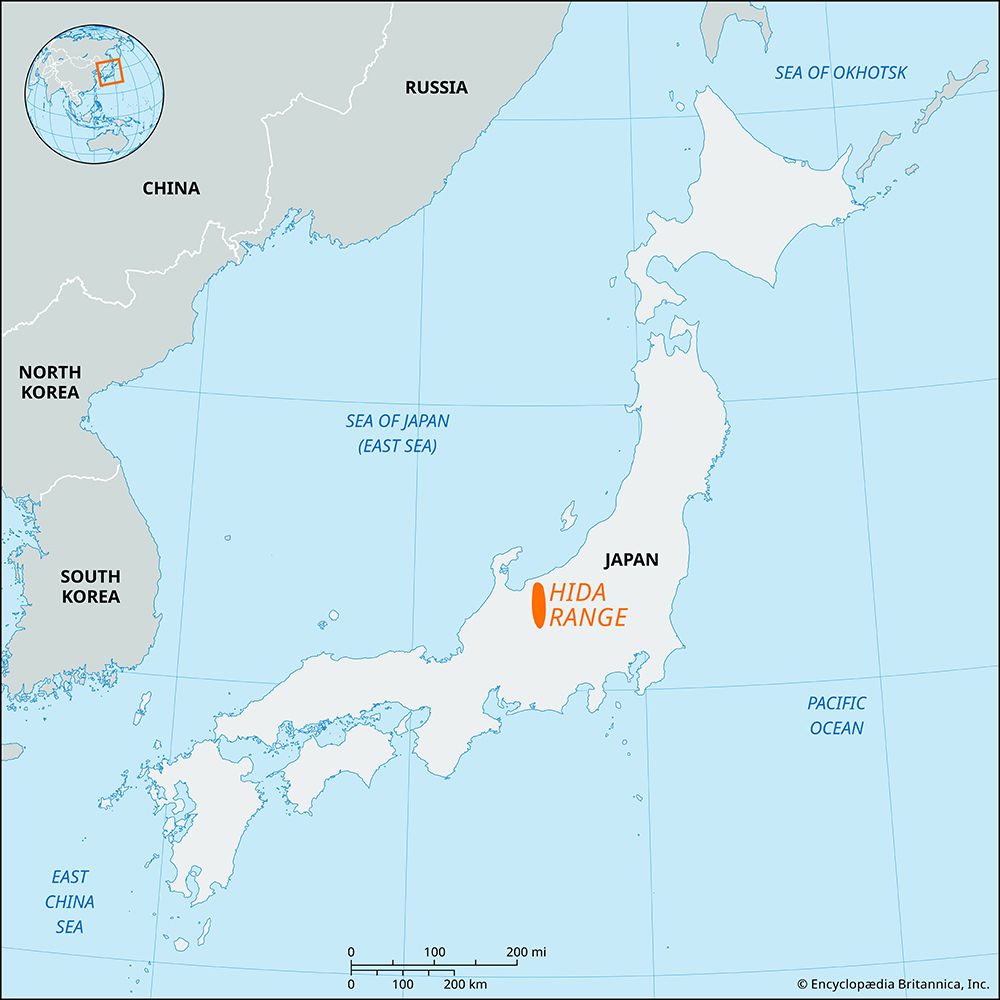
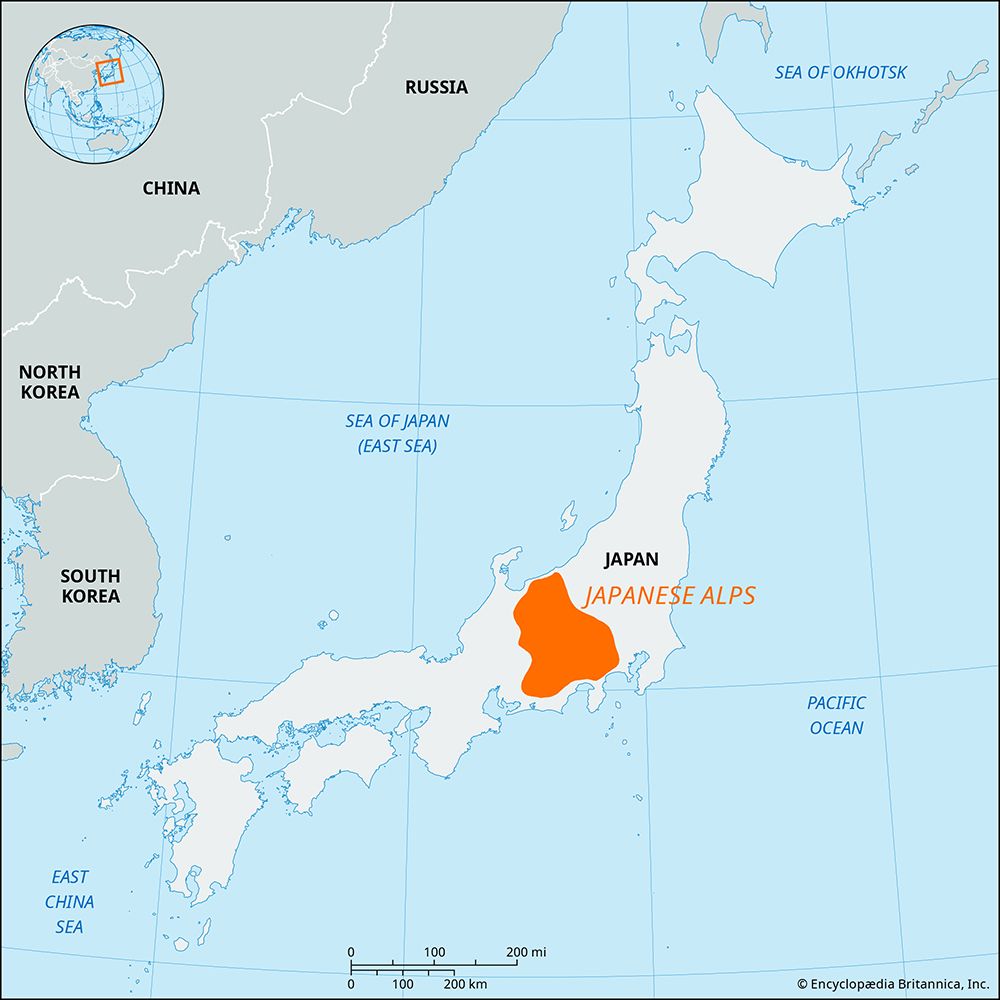
The Japanese Alps are a series of mountain ranges located in central Honshu, Japan. While the term was originally applied only to the Hida Range in the late 19th century, it now encompasses the Kiso and Akaishi ranges as well.1
These ranges are a popular destination for mountain climbing and skiing. The Hida Range is protected within Chūbu-Sangaku National Park, which spans across Gifu, Toyama, Nagano, and Niigata prefectures and features Mount Hotaka. The Akaishi Range, often referred to as the Southern Alps, is encompassed by Minami Alps National Park and includes Mount Shirane and includes Mount Shirane.1
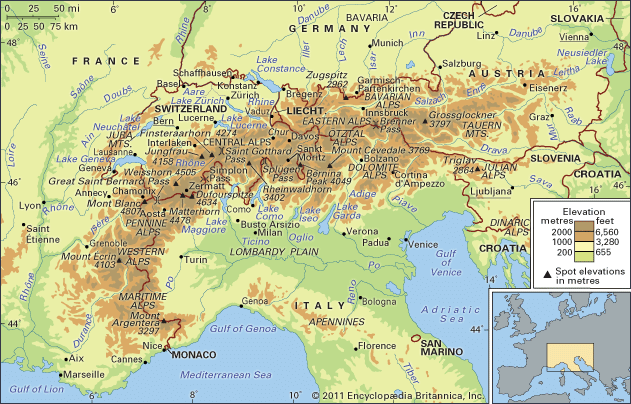
It is important to note that the Japanese Alps are distinct from the European Alps, which are a separate mountain system with a different climate and geography.2
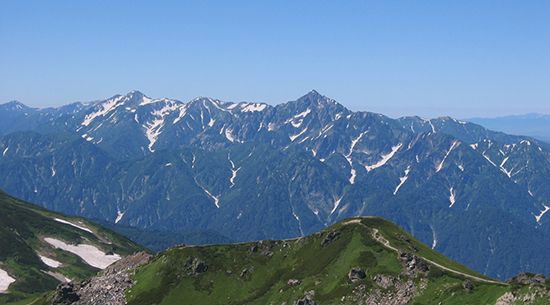
Which three mountain ranges make up the Japanese Alps?
The Japanese Alps, located in central Honshu, are composed of three distinct mountain ranges that form the Central Mountain Knot of Japan:
- Hida Range: Often referred to as the Northern Alps, this range is largely protected within Chūbu-Sangaku National Park and is well known for its rugged landforms and mountaineering opportunities.13
- Kiso Range: Situated between the Hida and Akaishi ranges, it is a central component of this mountainous region.14
- Akaishi Range: Frequently called the Southern Alps, this range is encompassed by Minami Alps National Park and includes significant peaks such as Mount Shirane.14
Together, these ranges serve as a major physiographic region characterized by high elevations and complex geological structures.4
What are some popular outdoor activities in these mountains?
The Japanese Alps are a premier destination for outdoor enthusiasts, particularly those interested in high-altitude recreation. The region is widely recognized as a major center for the following activities:
- Mountain Climbing: The rugged terrain, characterized by deep river gorges and high peaks such as Mount Hotaka and Mount Yariga, attracts mountaineers from across the globe. The area’s complex geological structure, featuring granite foundations and glacial landforms like cirques, provides a challenging environment for climbers.13
- Skiing: The mountains are a popular location for winter sports, benefiting from the region’s significant snowfall and mountainous topography.13
These activities are primarily centered within the protected areas of the Chūbu-Sangaku National Park and the Minami Alps National Park, which help preserve the natural landscape while facilitating public access to these peaks.1
How do the Japanese Alps compare to the European Alps?
The term “Japanese Alps” was originally applied to the Hida Range in the late 19th century by an English missionary, who drew a comparison to the European Alps due to the mountains’ rugged, high-altitude character.1
While both regions are renowned as premier destinations for skiing and mountain climbing, they differ significantly in their geological and geographical contexts. The Japanese Alps, located in central Honshu, consist of the Hida, Kiso, and Akaishi ranges, which rise to elevations exceeding 3,000 meters, such as Mount Shirane at 3,192 meters. In contrast, the European Alps span a much larger area across multiple countries and feature significantly higher peaks, including Mont Blanc, which reaches 4,807 meters.1
We could dive deeper into the specific geological differences between these two mountain systems or explore the history of how the Japanese Alps were named.
Sources
- Japanese Alps — Encyclopædia Britannica
- Alps - Climate of the Alps — Encyclopædia Britannica
- Hida Range — Encyclopædia Britannica
- Japan - The major physiographic regions — Encyclopædia Britannica
Published on · 3 min read