Japanese Pagoda Tree
The Japanese pagoda tree (Styphnolobium japonicum), also known as the Chinese scholartree, is a member of the pea family (Fabaceae). Although its name…
What is Japanese pagoda tree?
The Japanese pagoda tree (Styphnolobium japonicum), also known as the Chinese scholartree, is a member of the pea family (Fabaceae). Although its name suggests a Japanese origin, it is actually native to China and was later introduced to Japan, where it is frequently planted on the grounds of Buddhist temples.1
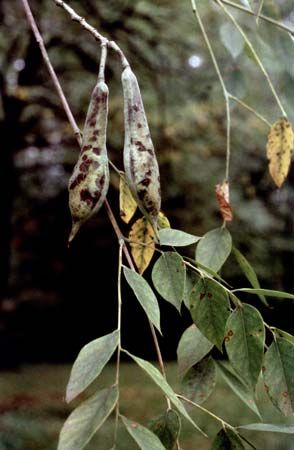
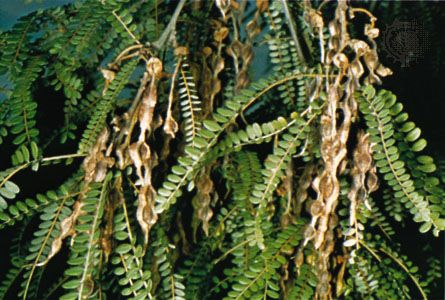
This tree typically reaches heights of 12 to 23 meters (40 to 75 feet). It is characterized by alternate compound leaves consisting of 7 to 17 leaflets and produces showy, loose clusters of yellowish-white flowers. While the tree produces a narrow, inedible pod, its leaves and flowers are edible. Beyond its use as an ornamental plant, the species is valued for its wood in construction and its applications in traditional medicine.1
It is important not to confuse this species with the pagoda dogwood (Cornus alternifolia), which belongs to a different family and is primarily noted for its distinct horizontal branching habit.1
Why is the tree associated with Buddhist temples?
The Japanese pagoda tree is frequently associated with Buddhist temples primarily due to its aesthetic form and cultural history. The tree is often described as having an erect, conical habit that is visually suggestive of a pagoda, the tiered tower structure central to Buddhist architecture.13
Because of this structural resemblance, the tree has long been a favored ornamental choice for the grounds of temples in Japan, where it was introduced from China. Beyond its symbolic and architectural harmony with temple settings, the tree is also valued for its practical utility, including its use in traditional medicine and construction.1
What are some other plants in the pea family?
The Fabaceae family, commonly known as the pea or legume family, is one of the largest and most economically significant plant families, comprising nearly 20,000 species of trees, shrubs, vines, and herbs. Beyond the Japanese pagoda tree, the family includes a vast array of plants used for food, fodder, and industrial purposes.45
Major Food and Commercial Crops
Many of the world’s most vital food sources belong to this family, prized for their high protein and carbohydrate content. Key examples include:5
- Legumes and Pulses: Garden peas, soybeans, peanuts, beans, chickpeas, lentils, cowpeas, and pigeon peas.45
- Forage Crops: Plants such as alfalfa, clovers, vetches, and bird’s-foot trefoil are essential for livestock feed.45
Ornamental and Industrial Species
The family also features many species valued for their aesthetic appeal or industrial utility:
- Ornamental Trees: The Judas tree (Cercis siliquastrum) and the orchid tree are popular for their flowers.5
- Industrial and Versatile Plants: Acacia species are used for tannin, pulpwood, and soil improvement, while the carob and tamarind trees provide food and industrial gums.5
How do ornamental trees differ from native trees?
The distinction between ornamental and native trees is primarily defined by their ecological context and the pressures of their environment.
Native trees are defined by their long-term evolutionary adaptation to a specific habitat. They have developed specific morphological and physiological traits that allow them to compete for resources—such as light, water, and nutrients—within a complex forest ecosystem. In these settings, trees must balance genetic stability with variability to survive and reproduce amidst intense competition with other species.
In contrast, ornamental trees are typically “open-grown,” meaning they are planted in gardens, parks, or urban landscapes where they face significantly less competition for resources than their forest counterparts. Because they are not constrained by the dense canopy or the need to compete for light, ornamental trees often exhibit different growth patterns, such as maintaining foliage along the length of the trunk for a considerable distance. While forest trees prioritize growing a limited crown above a foliage-free bole to reach sunlight, ornamental trees are cultivated for their aesthetic form rather than their ability to dominate a competitive niche.
Sources
- Japanese pagoda tree — Encyclopædia Britannica
- Japanese pagoda tree — Merriam-Webster
- pagoda tree — Merriam-Webster
- Fabaceae — Encyclopædia Britannica
- Fabaceae - Food and fodder crops — Encyclopædia Britannica
- Fabales - Classification of Fabaceae — Encyclopædia Britannica
- tree - Adaptations — Encyclopædia Britannica
Published on · 3 min read