Fabales
The classification of the order Fabales, particularly regarding its primary family Fabaceae, has evolved significantly due to advancements in molecular…
How has the classification of Fabales changed over time in plant taxonomy?
The classification of the order Fabales, particularly regarding its primary family Fabaceae, has evolved significantly due to advancements in molecular analysis.12
Historically, the legume family was divided into three distinct subfamilies: Caesalpinioideae, Mimosoideae, and Faboideae (or Papilionoideae), with each sometimes treated as a separate family. Modern molecular research has demonstrated that these relationships are more complex than this traditional tripartite division.123
Key taxonomic shifts include:
- Restructuring of Subfamilies: Molecular evidence revealed that the former Mimosoideae is nested within the Caesalpinioideae, where it is now recognized as the tribe Mimoseae.12
- Recognition of New Groups: The tribe Cercideae is now classified as a distinct, basal subfamily known as Cercidoideae. Additionally, other groups such as Detarioideae, Duparquetioideae, and Dialioideae are now recognized within the family’s classification.24
- Phylogenetic Clarity: While the three-subfamily model was once standard, it is now understood that Mimosoideae and Faboideae were derived from lineages within the diverse Caesalpinioideae, confirming that legumes constitute a single, cohesive family.3
What are some examples of well-known plants that belong to the Fabales order?
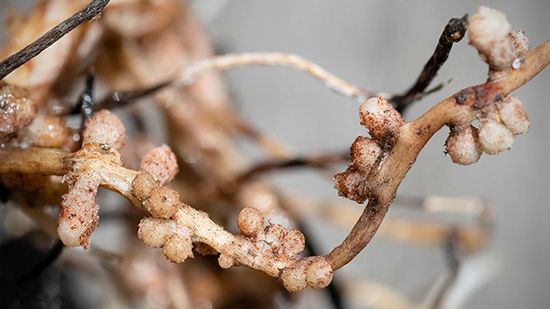
The order Fabales is a diverse group of flowering plants, with the vast majority of its species belonging to the Fabaceae family, commonly known as the legume or pea family. These plants are essential for human nutrition and agriculture due to their high protein content and their ability to host nitrogen-fixing bacteria in their root nodules.678
Some well-known examples of plants within the Fabales order include:
- Food Crops: Soybeans, peanuts, chickpeas, lentils, and various types of beans and peas.647
- Forage and Industrial Plants: Alfalfa and clover, which are vital for livestock feed and soil health.67
- Other Notable Species: The carob tree and the tamarind, as well as the monkey ladder (Entada gigas), which produces some of the largest legume fruits.47
While Fabaceae is the most prominent family, the order also includes three other families: Polygalaceae, Quillajaceae, and Surianaceae.78
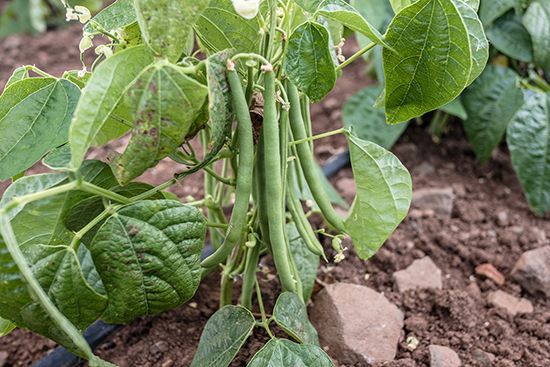
What are some unique characteristics of the Fabaceae family within Fabales?
The Fabaceae family, the third-largest family of angiosperms, possesses several unique characteristics that distinguish it within the order Fabales.
Nitrogen Fixation
A defining feature of the family is its ability to engage in a symbiotic relationship with nitrogen-fixing bacteria (such as Rhizobium). These bacteria inhabit specialized root nodules, where they convert atmospheric nitrogen into compounds usable by the plant. This process is almost unique to the family and is of immense ecological and agricultural importance, as it naturally enriches soil nitrogen levels.469
Unique Gynoecium Structure
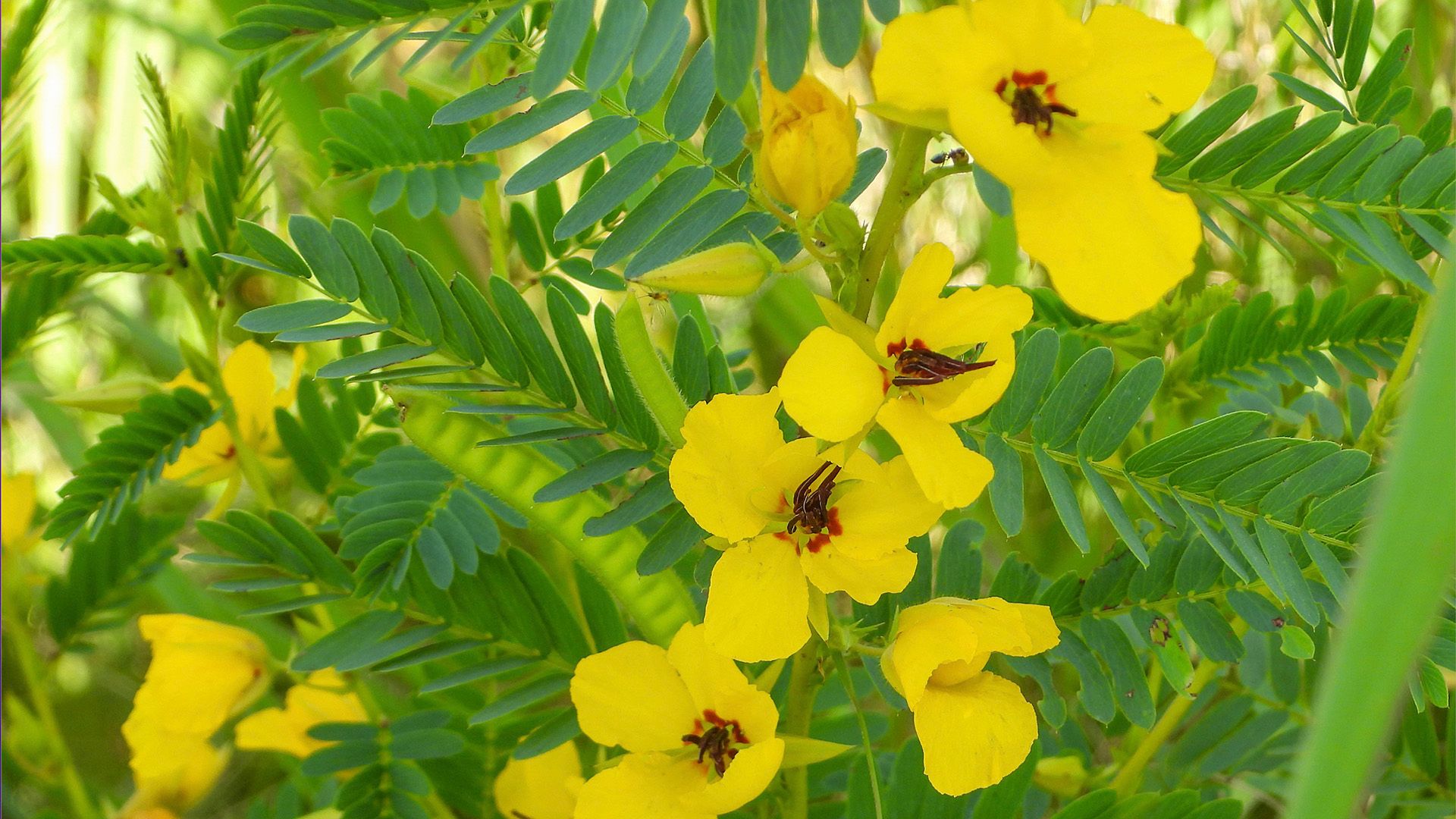
While many floral traits in Fabaceae are found in other families, the pistil (gynoecium) is unique. It consists of a single carpel that develops into a legume, or pod. This fruit typically dehisces (splits open) along one or both sutures at maturity to release its seeds.1011
Morphological Diversity
- Leaves: Most members have compound leaves, often with stipules at the base of the petiole.1011
- Fruit Variations: Although the dehiscent pod is the basic type, evolution has produced diverse modifications, including indehiscent structures, fleshy plumlike fruits, and even subterranean pods, as seen in the peanut.1011
- Pollination: Many species exhibit both chasmogamous (open) flowers for cross-pollination and cleistogamous (closed) flowers that enforce self-pollination.1011
What are the defining characteristics of the Fabales order?
The order Fabales consists of dicotyledonous flowering plants within the Rosid group of core eudicots. It comprises four families: Fabaceae (the legume family), Polygalaceae, Quillajaceae, and Surianaceae.4
Key defining characteristics of the order include:
- Nitrogen Fixation: Many members, particularly within the Fabaceae family, develop root nodules that host nitrogen-fixing bacteria. This symbiosis allows these plants to convert atmospheric nitrogen into compounds essential for growth, significantly impacting soil nitrogen balance and sustainable agriculture.24
- Floral and Vegetative Traits: The flowers in Fabales are typically bisexual. The leaves are generally compound, and many members possess stipules.28
- Fruit Structure: The fruit is characteristically a legume, or pod, which typically splits open (dehisces) to release its seeds.2
- Phylogenetic Relationships: The order is closely related to other nitrogen-fixing Rosid orders, such as Rosales, Cucurbitales, and Fagales, though those groups typically utilize different bacterial symbionts.8
Sources
- Fabales - Classification of Fabaceae — Encyclopædia Britannica
- Fabales - Evolution — Encyclopædia Britannica
- Fabaceae - Major subfamilies and their genera — Encyclopædia Britannica
- Fabales: Top Questions — Encyclopædia Britannica
- Fabales - Cercideae and other subfamilies — Encyclopædia Britannica
- Fabaceae — Encyclopædia Britannica
- Legume — Encyclopædia Britannica
- Fabales — Encyclopædia Britannica
- Fabales - Characteristic morphological features — Encyclopædia Britannica
- Fabaceae - Nitrogen fixation — Encyclopædia Britannica
- Fabaceae - Physical description — Encyclopædia Britannica
- Nitrogen-fixing bacteria — Encyclopædia Britannica
- Fabales - Faboideae — Encyclopædia Britannica
Published on · 3 min read