Java Stingaree
The Java stingaree (Urolophus javanicus) is a species of stingray that holds the distinction of being the first marine fish officially declared extinct due…
What is Java stingaree?
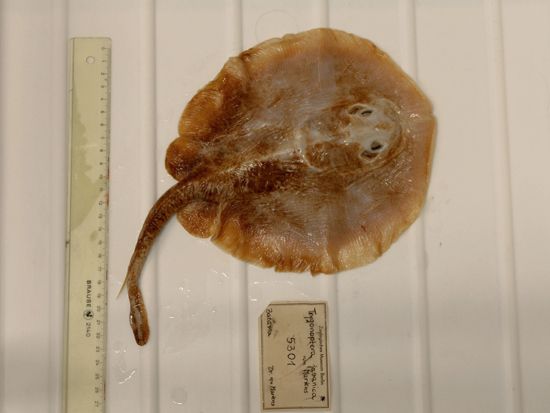
The Java stingaree (Urolophus javanicus) is a species of stingray that holds the distinction of being the first marine fish officially declared extinct due to human activity.1
Known to science through a single specimen collected in 1862 at a Jakarta fish market, the species is believed to have inhabited the Java Sea. Researchers attribute its extinction primarily to overfishing and habitat degradation, particularly along the northern coast of Java and within Jakarta Bay, where industrialization and the proliferation of aquaculture ponds have significantly altered the environment.1
In 2023, the International Union for Conservation of Nature (IUCN) Red List of Threatened Species officially updated the status of the Java stingaree to extinct, following extensive but unsuccessful surveys to locate additional specimens. While this classification remains a subject of scientific debate, the loss highlights the critical importance of protecting marine biodiversity from human-driven pressures.1
What factors contribute to a species being declared extinct?
Extinction occurs when a species dies out, either through natural environmental forces or, increasingly, as a result of human activities. The International Union for Conservation of Nature (IUCN) classifies a species as extinct when the last individual has died or when systematic, time-appropriate surveys fail to locate any remaining members.34
Primary Drivers of Extinction
While extinction is a natural feature of Earth’s history, current rates are estimated to be 1,000 to 10,000 times higher than background levels due to human influence. The principal factors include:3
- Habitat Loss and Degradation: The conversion of natural environments for agriculture, logging, and urban development is the most pervasive threat to biodiversity.15
- Overexploitation: Unsustainable hunting, fishing, and the illegal wildlife trade deplete populations and reduce genetic variation, making species more vulnerable.135
- Invasive Species: Non-native species introduced by human activity often outcompete native populations for resources.15
- Climate Change and Pollution: Global warming and chemical pollution alter ecosystems, forcing species to migrate or face extinction when their habitats can no longer support them.135
- Disease: While often natural, the spread of pathogens is frequently exacerbated by human trade and transport networks.15
Assessment Criteria
Scientists assess extinction risk using five quantitative criteria, which include the rate of population decline, the size of the geographic range, the current population size, and the probability of extinction based on quantitative analysis.45
How do scientists determine if a species is truly extinct?
Scientists determine if a species is truly extinct primarily through the rigorous assessment standards established by the International Union for Conservation of Nature (IUCN).4
A species is officially classified as Extinct (EX) when there is no reasonable doubt that the last individual has died. This determination is reached when:4
- Confirmed Loss: The last known individual of the species has died.4
- Exhaustive Surveys: Systematic and time-appropriate surveys conducted throughout the species’ historical range have failed to record a single individual. These surveys must be appropriate to the species’ life cycle and habitat to ensure that the absence of sightings is not merely a result of the animal being elusive or difficult to detect.41
Because declaring a species extinct can lead to the cessation of vital conservation efforts, the process is highly scrutinized. Scientists must carefully weigh the evidence, and as seen with cases like the smooth handfish, classifications can be reversed if new data suggests the species may still exist or if the initial assessment is deemed insufficient. This ensures that the IUCN Red List of Threatened Species remains an accurate, science-based tool for global biodiversity monitoring.14
What are some other examples of marine animals that have gone extinct?
Marine animals have faced extinction throughout Earth’s history due to both natural environmental shifts and human activities. Notable examples include:
- Steller’s Sea Cow (Hydrodamalis gigas): This massive marine mammal, which inhabited the Bering Sea, was hunted to extinction by the 18th century, less than 30 years after its discovery by science.9
- Atlantic Gray Whale: This cetacean population was completely exterminated by the early 1700s.10
- Caribbean Monk Seal (Monachus tropicalis): Once found in tropical waters, this species was hunted for its fur, oil, and meat, and was considered extinct by the early 1970s.11
- Baiji (Chinese River Dolphin): Restricted to the Yangtze River, this species is widely believed to be extinct.10
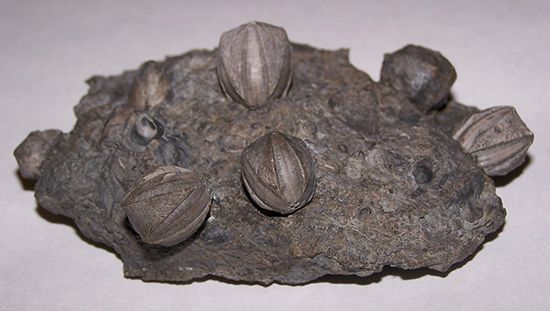
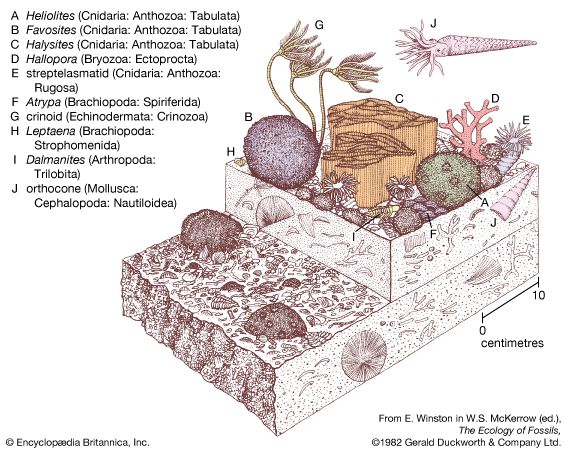
- Permian Marine Invertebrates: During the Permian extinction, a catastrophic event spanning millions of years, numerous marine groups were lost, including trilobites, blastoids, and tabulate corals. Additionally, early jawed fishes such as acanthodians and placoderms were entirely eliminated.12
Sources
- Java stingaree — Encyclopædia Britannica
- stingaree — Merriam-Webster
- endangered species - Human beings and endangered species — Encyclopædia Britannica
- endangered species - IUCN Red List of Threatened Species — Encyclopædia Britannica
- extinction — Encyclopædia Britannica
- critically endangered species — Encyclopædia Britannica
- extinct — Merriam-Webster
- extinct — Merriam-Webster
- sea cow — Encyclopædia Britannica
- Permian extinction - Marine invertebrates — Encyclopædia Britannica
- cetacean - Abundance — Encyclopædia Britannica
- monk seal — Encyclopædia Britannica
Published on · 3 min read