Kassándra
The Kassándra peninsula features the remains of the ancient Corinthian colony of Potidaea, which was founded around 600 BCE. These ruins are located on the…
Are there any notable archaeological sites or ancient ruins on the Kassándra peninsula?
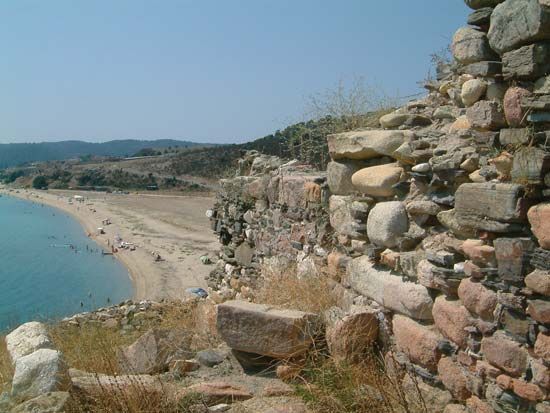
The Kassándra peninsula features the remains of the ancient Corinthian colony of Potidaea, which was founded around 600 BCE. These ruins are located on the narrow isthmus that connects the peninsula to the Chalcidice mainland, specifically at the site of the modern village of Néa Potídhaia.1
Historically, the area was significant during the Classical period, involving communities such as Olynthus. While Potidaea was famously devastated by Philip of Macedon in 357/356 BCE, it was later revived as Kassandreia and achieved prosperity before being destroyed by the Huns in the early Middle Ages. Today, the site is marked by sparse ruins situated just south of a ship canal cut through the isthmus in 1937.1
How does the Kassándra peninsula compare to the other two ‘legs’ of Chalkidiki?
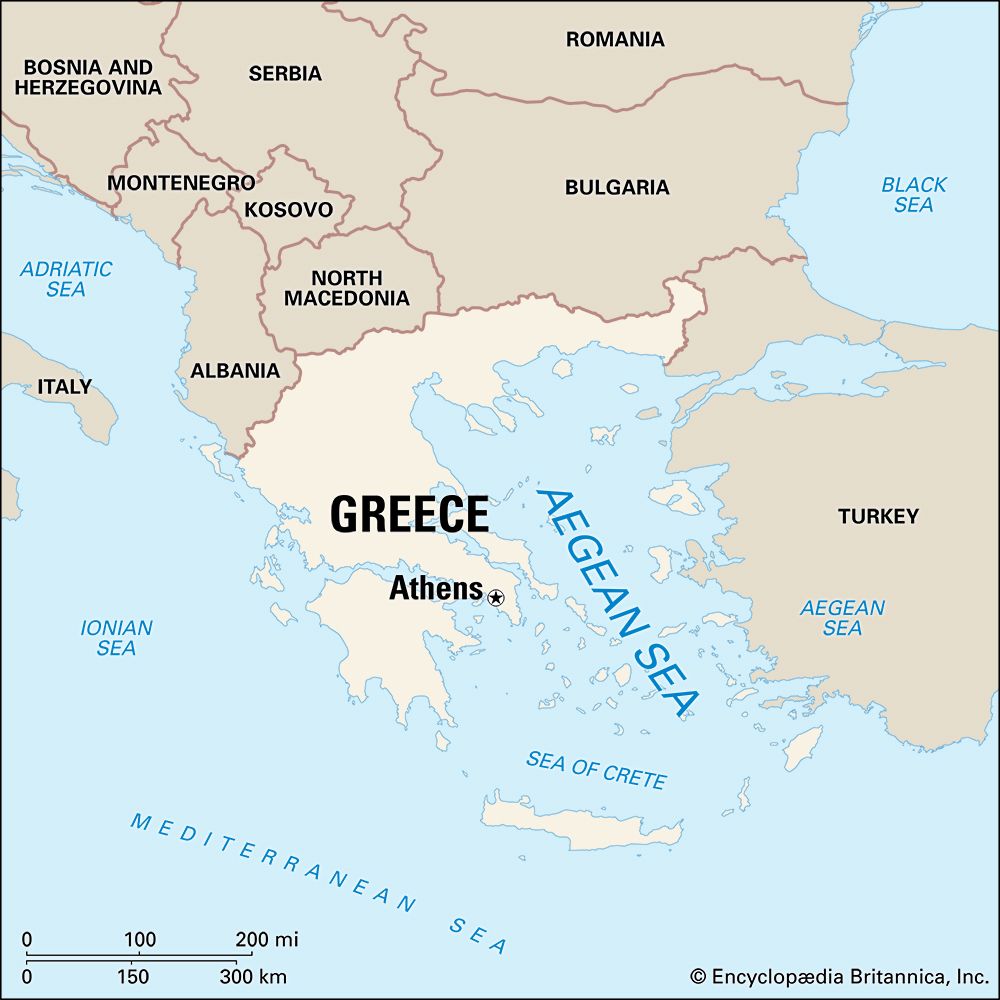
The Chalcidice (Chalkidiki) Peninsula is defined by three distinct, fingerlike promontories that project into the Aegean Sea. While they share a common geological origin—having once been islands—they offer vastly different experiences.1
Kassándra (Western Prong)
Kassándra is the most accessible and fertile of the three legs, characterized by low plateaus and fine beaches. It has developed into the primary tourist center of northern Greece, featuring numerous large hotels and holiday compounds that have been established since the 1970s. Historically, it served as a significant site for ancient communities like Potidaea and Olynthus.21
Sithonía (Central Prong)
Sithonía is composed of ancient rocks and is generally more rugged and remote than Kassándra. It is characterized by wooded mountain terrain, offering a quieter, more natural landscape compared to the highly developed tourist infrastructure found on the western prong.1
Áyion Óros / Mount Athos (Eastern Prong)
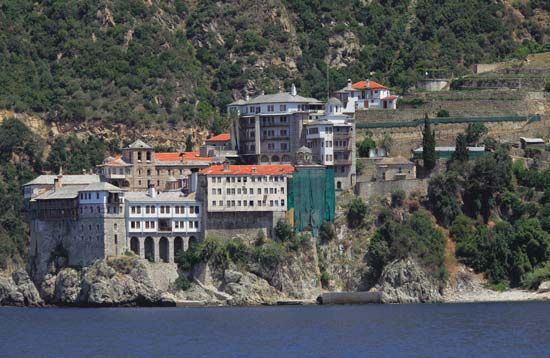
The easternmost promontory is dominated by the marble peak of Mount Athos, which rises abruptly from the sea. Unlike the other two legs, it is a semiautonomous monastic republic. It is world-renowned for its Byzantine monasteries and strict traditional rules, including a long-standing prohibition against the presence of women and female animals.31
What types of beaches can be found on the Kassándra peninsula, and how do they differ?
The Kassándra peninsula is widely recognized for its natural beauty and fine beaches, which have established the region as the primary tourist center of northern Greece.1
While specific granular details regarding the individual characteristics of every beach are not detailed in the provided records, the peninsula is generally defined by its low plateaus and accessible coastline. These features contrast with the more rugged, mountainous terrain found on the central prong of Chalcidice, making Kassándra’s beaches particularly well-suited for the extensive tourist infrastructure and holiday developments that have grown in the area since the 1970s.1
How does tourism impact the Kassándra peninsula, and what are the popular activities for visitors?
The Kassándra peninsula has transformed into the most significant tourist hub in northern Greece due to its natural beauty and fine beaches.4
Impact of Tourism
The rise of tourism has fundamentally reshaped the peninsula’s landscape and economy. Beginning in the 1970s, the region saw the construction of numerous large hotels and holiday compounds to accommodate the influx of visitors. This development has leveraged the peninsula’s accessibility and fertile, low-lying plateaus, marking a shift from its historical reliance on cattle and sheep ranching.14
Visitor Activities
While the provided records do not list specific recreational activities, the peninsula’s status as a primary tourist center is driven by its coastal appeal. Visitors are primarily drawn to:
- Beach Tourism: The region is renowned for its high-quality beaches, which serve as the foundation for its popularity.4
- Historical Exploration: Travelers can visit sites of ancient significance, such as the ruins of the Corinthian colony of Potidaea and the historical city of Olynthus, which offer insight into the area’s Classical history.4
Sources
- Kassándra — Encyclopædia Britannica
- Mount Athos — Encyclopædia Britannica
- Metéora — Encyclopædia Britannica
- Chalcidice — Encyclopædia Britannica
Published on · 3 min read