Kéa
Sorry, the Britannica knowledge base does not contain specific comparative information regarding Kéa's ecosystem and biodiversity in relation to other Greek…
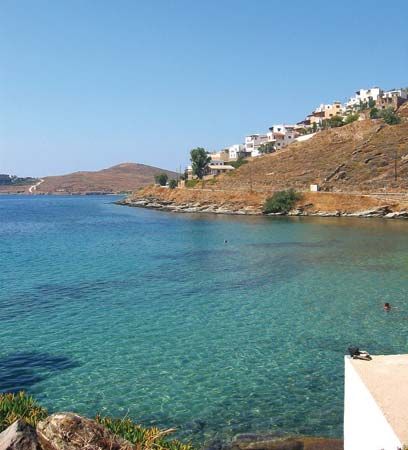
How does Kéa’s ecosystem and biodiversity compare to other Greek islands?
Sorry, the Britannica knowledge base does not contain specific comparative information regarding Kéa’s ecosystem and biodiversity in relation to other Greek islands.
While general information is available regarding the plant and animal life of Greece—which features a complex mosaic of Mediterranean, western Asian, and central European species—the provided search results do not offer a detailed ecological profile of Kéa to facilitate a comparison. We know that Kéa’s agricultural output includes grapes, citrus, honey, and valonia oak, but these details do not constitute a comprehensive assessment of its biodiversity.
What archaeological sites can be found on Kéa, and what do they reveal about its past?
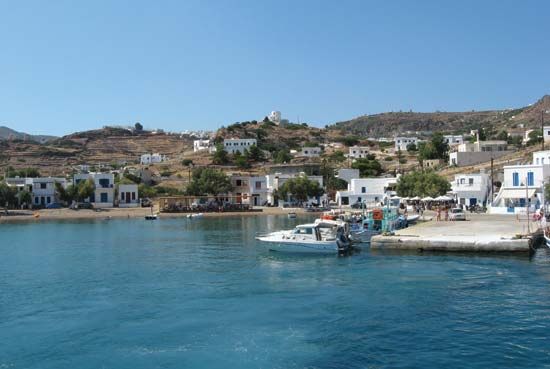
Kéa, the westernmost island of the Cyclades, possesses significant archaeological sites that offer insight into its long history of habitation, which dates back to early Helladic times.1
Key archaeological locations include:
- Ayía Iríni (Aghia Eirene): This site is notable for its well-preserved frescoes. These artworks provide a window into the island’s past, depicting scenes such as blue birds, town life, hunting, and individuals picking flowers. The presence of these frescoes, along with depictions of copper ingots, highlights the island’s cultural connections and artistic traditions during the Bronze Age.4
- Ancient Karthaia: Located on the island, this site features the remains of a Doric temple and various other ancient structures, reflecting the architectural and religious practices of the period.1
- Ancient Ioulis: The principal town of modern Kéa is situated on the site of this ancient city, serving as a continuous link to the island’s classical past.1
These sites reveal that Kéa was an active participant in the broader Aegean world, maintaining its own distinct traditions while engaging with the cultural and political developments of the time, including the Greco-Persian Wars and the Delian League.14
How accessible is Kéa from mainland Greece, and what transportation options are available?
Kéa is highly accessible from mainland Greece due to its close proximity to the southern tip of Attica, lying only about 13 miles (21 km) to the east. This short distance has established the island as a popular vacation destination for residents of Athens.1
While the provided information confirms the island’s geographic accessibility, it does not detail specific ferry schedules, port names, or current transportation providers. Travelers typically reach the island via ferry services departing from the mainland, which connect the Cyclades to the rest of the country.1
How has Kéa’s population changed over the years, and what challenges does the island face in terms of demographics?
The population of Kéa has shown a modest increase in recent years. According to census data, the municipality’s population grew from 2,162 in 2001 to 2,455 in 2011.1
Regarding demographic challenges, the provided information does not contain data concerning specific population trends, such as aging, migration, or economic pressures on the local community. While the island is a popular vacation destination for residents of Athens, the available records do not detail the long-term demographic impacts of this tourism or other potential social challenges facing the island’s residents.1
Sources
- Kéa — Encyclopædia Britannica
- Greece - Climate of Greece — Encyclopædia Britannica
- Greece - Plant and animal life — Encyclopædia Britannica
- Aegean civilizations - The Cyclades — Encyclopædia Britannica
- Cyclades — Encyclopædia Britannica
Published on · 2 min read