Sado
During Japan's period of isolation, Sado Island served as a significant site for both forced labor and resource extraction. While the island had a long…
What role did Sado Island play during Japan’s period of isolation?
During Japan’s period of isolation, Sado Island served as a significant site for both forced labor and resource extraction. While the island had a long history as a place of exile for political and religious figures, its role evolved significantly with the development of its gold mines.
The labor required for these mines was often performed by those sentenced to work there, a practice that influenced the island’s cultural identity. This history is reflected in the okesa, a traditional folk dance and ballad that originated from the men forced to labor in the mines. Although the island is often associated with its historical status as a place of banishment, the economic importance of its mineral wealth made it a vital, albeit isolated, component of the shogunate’s control during the era.
What is the geographical location and size of Sado Island?
Sado Island is located in the Sea of Japan, situated 32 miles (51 km) west of Honshu and belonging to the western portion of Niigata prefecture.
Regarding its size, the island covers an area of 331 square miles (857 square km), making it the fifth-largest island in Japan. Its topography is defined by two parallel mountain chains, featuring dramatic ravines, precipices, and Lake Kamō.1
What is the historical significance of Sado Island in Japanese culture?
Sado Island holds a unique place in Japanese culture, primarily defined by its long history as a site of banishment and its distinct folk traditions.
A Place of Exile
For centuries, Sado was widely recognized as a destination for political and intellectual exiles. Notable figures sent to the island include the Emperor Juntoku, who was banished following his 1220 revolt against the Kamakura shogunate, and the 13th-century Buddhist reformer Nichiren. This history of isolation and forced residence contributed to the island’s reputation as a place of melancholy and reflection.
Cultural Traditions
The island is perhaps most famous throughout Japan for its okesa—a collection of melancholy ballads and folk dances. These performances originated from the men who were sentenced to forced labor in the island’s gold mines. While these dances were once exclusive to the male laborers, they have since evolved into a broader cultural practice performed by both men and women, serving as a lasting legacy of the island’s industrial and penal history.
What unique flora and fauna can be found on Sado Island?
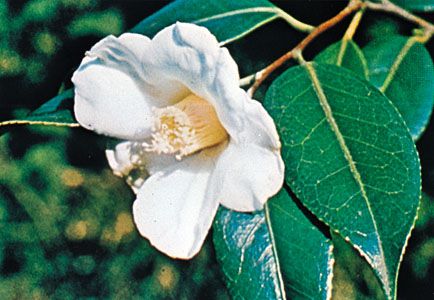
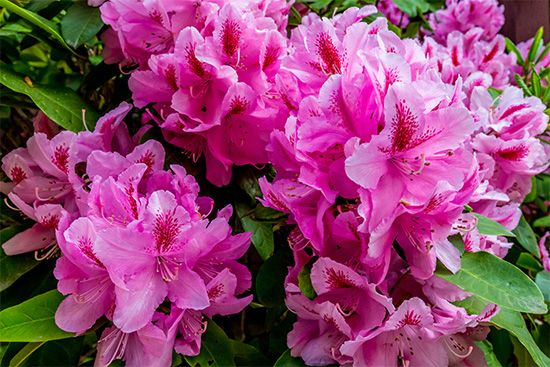
Sado Island is known for its mild climate and diverse natural beauty, which supports a variety of plant life. Among the most notable flora found on the island are camellias and rhododendrons, which are frequently cited as attractions for visitors exploring the island’s landscape.1
Regarding the island’s fauna, the provided information does not contain specific details about unique animal species native to Sado Island.
Sources
- Sado — Encyclopædia Britannica
- Oki Islands — Encyclopædia Britannica
- Niigata — Encyclopædia Britannica
- Senkaku Islands: Top Questions — Encyclopædia Britannica
- Itsuku Island — Encyclopædia Britannica
Published on · 2 min read