Kestrel
Kestrels are small birds of prey belonging to the genus Falco within the family Falconidae. They are primarily found in the Old World, though the American…
Where are kestrels typically found, and what kind of habitats do they prefer?
Kestrels are small birds of prey belonging to the genus Falco within the family Falconidae. They are primarily found in the Old World, though the American kestrel is common throughout North and South America. The common kestrel, also known as the Eurasian or European kestrel, ranges across most of the Old World.12
Regarding their habitat preferences, while specific environmental niches vary by species, these birds are famously known for their hunting behavior of hovering in place while facing into the wind to scan the ground for prey, such as large insects, birds, and small mammals. This behavior has earned the common kestrel the nickname “windhover” in Britain.12
What are the different species of kestrels found around the world?
There are several species of kestrels within the genus Falco, which are small birds of prey known for their distinctive hovering hunting technique. While they are primarily found in the Old World, they are distributed globally.21
Key species include:
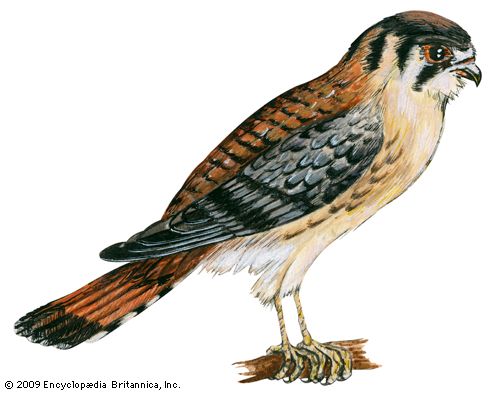
- American kestrel (F. sparverius): Common throughout North and South America, this species is often referred to as a sparrow hawk in the United States. It measures approximately 30 cm (12 inches) in length and features reddish-brown and slate-gray plumage with colorful head markings.21
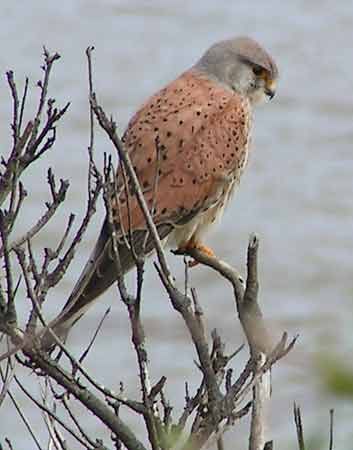
- Common kestrel (F. tinnunculus): Also known as the Eurasian or European kestrel, this species ranges across most of the Old World. It is slightly larger than the American kestrel but generally less colorful. In Britain, it is famously called the “windhover” due to its habit of hovering while facing into the wind to scan for prey.2
- Australian kestrel (F. cenchroides): This species is also frequently referred to as a sparrow hawk.2
What is the kestrel’s hunting technique, and what are their primary prey?
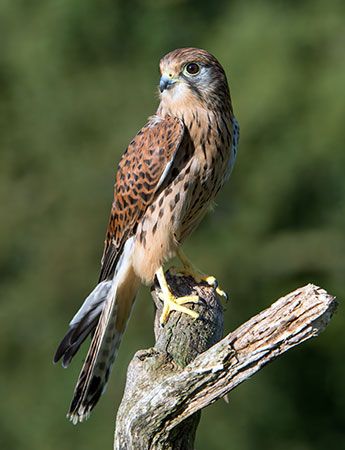
Kestrels are small birds of prey in the genus Falco that are widely recognized for their distinctive hunting technique: hovering in place while facing into the wind. By remaining stationary in the air at heights of up to 100 meters (330 feet), they can carefully scan the ground below for potential targets. This specific behavior is so characteristic of the common kestrel in Britain that the bird is frequently referred to as a “windhover”.123
When hunting, kestrels rely on their keen eyesight to locate a variety of prey, which primarily includes:
Depending on their appetite and the size of the animal captured, a kestrel may consume many insects in a single day. Like other raptors, they hunt by sight during daylight hours and may also hunt from perches, flying between them to survey their surroundings.3
How do kestrels compare to other falcons in terms of size and behavior?
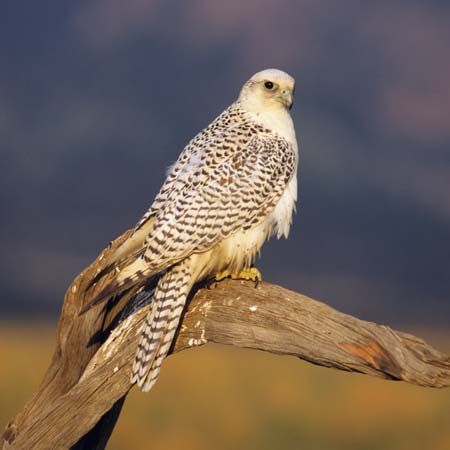
Kestrels are a specific group within the genus Falco, which includes nearly 60 species of falcons globally. While all true falcons share characteristics like long, pointed wings and a notched “tooth” in the beak, kestrels are distinguished by their smaller size and specific hunting behaviors.124
Size Comparison
Falcons vary significantly in size, ranging from tiny falconets at about 15 cm (6 inches) to the gyrfalcon, which can reach 60 cm (24 inches). Kestrels generally fall on the smaller end of this spectrum; for instance, the American kestrel measures approximately 30 cm (12 inches).412
Behavioral Distinctions
- Hunting Technique: While many falcons are known for swift, powerful flight and capturing prey in midair, kestrels are uniquely defined by their habit of hovering in place while facing into the wind to scan the ground.24
- Sexual Dimorphism: Kestrels exhibit sexual color dimorphism, where the male is typically more colorful than the female—a trait that is relatively rare among hawks. In contrast, among many other larger falcon species, the female is generally the larger and bolder of the sexes.24
Sources
- Did you know? — Merriam-Webster
- Kestrel — Encyclopædia Britannica
- Falconiform - Behaviour — Encyclopædia Britannica
- Falcon — Encyclopædia Britannica
Published on · 3 min read