Falconiform
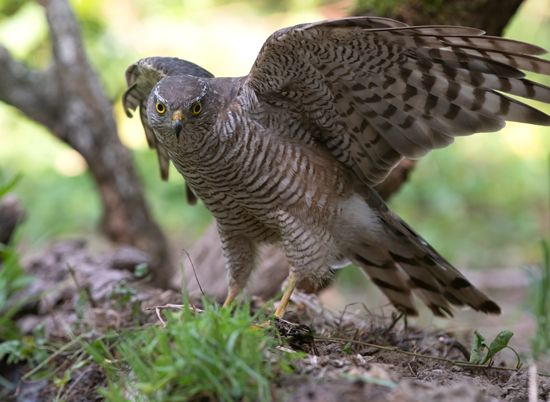
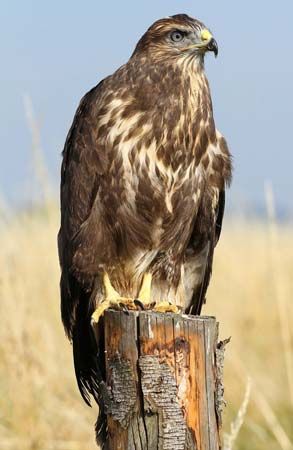
Falconiforms are defined by specific physical traits, including a hooked "raptorial" bill for tearing flesh, powerful feet with talons for grasping and…
How do falconiform birds differ from other birds of prey?
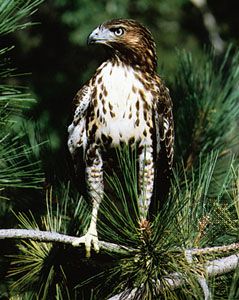
Falconiforms are defined by specific physical traits, including a hooked “raptorial” bill for tearing flesh, powerful feet with talons for grasping and killing, and acute vision. While these features are shared by other birds of prey, such as owls, they are the result of convergent evolution rather than close evolutionary relationships.123
Taxonomically, the classification of these birds is complex. While some systems group hawks, eagles, and falcons under the order Falconiformes, modern classifications often separate them into distinct orders: Falconiformes (containing the family Falconidae) and Accipitriformes (containing the family Accipitridae, which includes hawks, kites, and eagles).4
Key differences between these groups include:
- Physical Build: Hawks typically have broader wings and tails for maneuverability in wooded areas, whereas falcons possess long, pointed wings and streamlined bodies for high-speed flight in open spaces.5
- Nesting: Hawks generally nest in trees, while falcons often prefer cliff ledges or holes in trees.5
- Specializations: Falconidae are distinguished by toothed beaks and a noncentrifugal wing molt, while other groups exhibit unique traits like the osprey’s reversible outer toe or the secretary bird’s long legs.1
What are some of the most well-known falconiform species around the world?
Several species within the family Falconidae are widely recognized for their predatory skills and global distribution. Some of the most notable include:
- Peregrine falcon: Perhaps the most famous falconiform, it is the most widely distributed bird of prey, found on every continent except Antarctica. It is renowned as the world’s fastest animal, capable of reaching diving speeds exceeding 320 km (200 miles) per hour to strike prey in midair.67
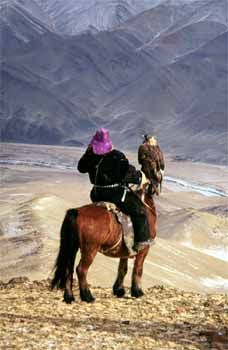
- Gyrfalcon: As the world’s largest falcon, this Arctic species is adapted to cold, circumpolar regions. Historically prized in falconry as the “bird of kings,” it is known for its size and fully feathered legs.87
- Kestrel: These small falcons are distinguished by their habit of hovering in place while scanning the ground for insects, birds, and small mammals. The American kestrel is common throughout the Americas, while the common kestrel is a familiar sight across the Old World.9
- Merlin: A small, swift falcon found across the Northern Hemisphere, often inhabiting open country, marshlands, and woodlands.7
- Aplomado falcon: A colorful species native to grasslands, ranging from the southwestern United States down to Argentina.7
What conservation efforts are in place to protect falconiform species?
Conservation efforts for falconiforms are essential to mitigate the threats posed by human activity, which remains the primary danger to these birds. Effective preservation requires a multifaceted approach to address habitat loss, direct persecution, and environmental contamination.13
Key Conservation Strategies
- Habitat Protection: Efforts focus on preserving critical nesting and hunting grounds. Because agriculture can both destroy and create habitats, conservationists work to maintain mixed landscapes that support diverse prey populations.13
- Mitigating Persecution: Education is vital to counter “unreasoning prejudice.” Many species are wrongly perceived as threats to livestock, leading to illegal shooting, trapping, and poisoning. Conservationists emphasize that the impact of raptors on human interests is often exaggerated, and that these birds frequently provide benefits by controlling pests.13
- Chemical Regulation: The most significant challenge is the use of persistent toxic chemicals. Historically, pesticides like DDT and dieldrin caused catastrophic population declines by thinning eggshells and causing direct mortality. The banning or reduction of these substances has been the most successful conservation intervention, allowing species like the peregrine falcon to rebound.138
- Captive Breeding and Reintroduction: When populations reach critical lows, intensive programs—such as those used for the American peregrine falcon—can successfully restore species to the wild through captive breeding and release.8
- Addressing Modern Hazards: Current efforts also target human-made risks, including collisions with buildings, vehicles, and wind turbines, as well as secondary poisoning from rodenticides.7
What are the hunting and feeding habits of falconiform birds?
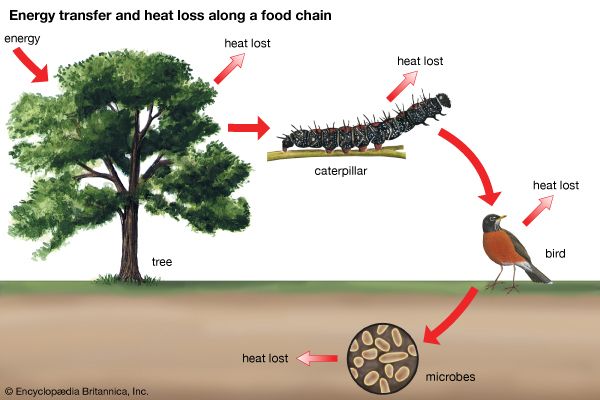
Falconiforms, commonly known as raptors, are diurnal birds of prey that rely on keen eyesight and specialized physical adaptations to hunt and feed.151617
Hunting Strategies
These birds employ diverse hunting methods tailored to their specific ecological niches:
- Aerial Pursuit: Many species, particularly falcons, are renowned for their speed. The peregrine falcon is famous for its high-speed dives, reaching over 300 km (186 miles) per hour to strike prey in midair.318
- Soaring and Hovering: Species like buzzards and eagles often soar to scan for prey, while others, such as kestrels and harriers, frequently hover or glide low over open ground.191518
- Perch Hunting: Many raptors hunt by waiting on a perch—such as a tree branch or rock ledge—before launching an attack.15
- Specialized Techniques: Some species exhibit unique behaviors, such as the secretary bird walking on the ground to hunt, or the Egyptian vulture using stones to break open eggs.15
Feeding Habits
- Dietary Range: While most feed on the flesh of other animals, their diet varies by species and size. They consume birds, small mammals, bats, fish, reptiles, and large insects. Vultures are specialized scavengers that feed on carrion.3191716
- Consumption: An adult falcon typically consumes about 10 percent of its body weight daily. Larger species, such as certain eagles, may eat a large meal and then go several days without feeding.315
- Digestion: After eating, raptors regurgitate “castings”—indigestible pellets containing fur, feathers, and insect parts. They use their hooked beaks to tear flesh from prey held firmly by their strong, taloned feet.1516
Sources
- Falconiform - Distinguishing taxonomic features — Encyclopædia Britannica
- Falconiform - Form and function — Encyclopædia Britannica
- What are the differences between hawks and falcons? — Encyclopædia Britannica
- Falconiform - Evolution and paleontology — Encyclopædia Britannica
- Accipiter — Encyclopædia Britannica
- Gyrfalcon — Encyclopædia Britannica
- Falconiform — Encyclopædia Britannica
- Peregrine falcon — Encyclopædia Britannica
- Kestrel — Encyclopædia Britannica
- falconry - Types of birds used in falconry — Encyclopædia Britannica
- American kestrel — Merriam-Webster
- Where Do Falcons Typically Live? — Encyclopædia Britannica
- Falconiform - Importance to humans — Encyclopædia Britannica
- Red-tailed hawk — Encyclopædia Britannica
- How Much Does a Falcon Eat Each Day? — Encyclopædia Britannica
- Falcon — Encyclopædia Britannica
- Falconiform - Behaviour — Encyclopædia Britannica
- Falconiform - Flapping, soaring , and diving — Encyclopædia Britannica
- Falconiform - General features — Encyclopædia Britannica
Published on · 4 min read