Kgalagadi Transfrontier Park
The Kgalagadi Transfrontier Park serves as a significant model for cross-border cooperation between South Africa and Botswana. Officially established in 2000…
How has the creation of this transfrontier park influenced cross-border cooperation between South Africa and Botswana?
The Kgalagadi Transfrontier Park serves as a significant model for cross-border cooperation between South Africa and Botswana. Officially established in 2000 through the merger of the Kalahari Gemsbok National Park and the Gemsbok National Park, the initiative formalized a spirit of collaboration that had existed unofficially since a verbal agreement between the two nations in 1948.1
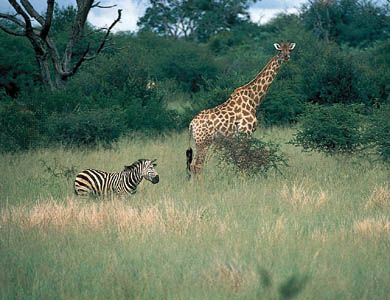
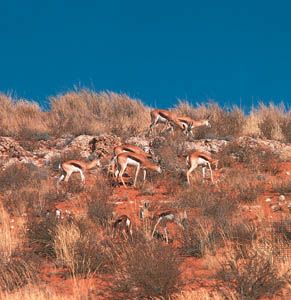
By linking these national parks into a single international conservation area, the two countries have successfully created a unified management framework that protects biodiversity across political boundaries. This cooperation is essential for the survival of migratory animal populations, as it allows for the natural movement of wildlife—such as gemsbok, wildebeest, and various predators—across the border without human-imposed restrictions. This transfrontier approach demonstrates how neighboring nations can align their environmental policies to manage shared ecosystems effectively.21
How do the San people, indigenous to the area, interact with the park and its resources?
The San people, indigenous to the Kalahari Desert, have historically maintained a deep connection to the land through a traditional hunter-gatherer lifestyle. Their interaction with the environment was defined by a sophisticated understanding of local resources, relying on edible plants as a dietary staple and supplementing this with the hunting of game animals using bows and poisoned arrows.3
However, the San’s relationship with protected areas and their traditional lands has been profoundly disrupted. Many have been resettled, often against their will, by the government of Botswana, moving them from their ancestral homes—such as the Central Kalahari Game Reserve—to new villages outside these reserves. Today, few San continue their traditional way of life; many have become dependent on employment at cattle posts or ranches, or live as dependents of others, marking a significant shift from their former autonomy as foragers.3
Where is Kgalagadi Transfrontier Park located, and which countries does it span?
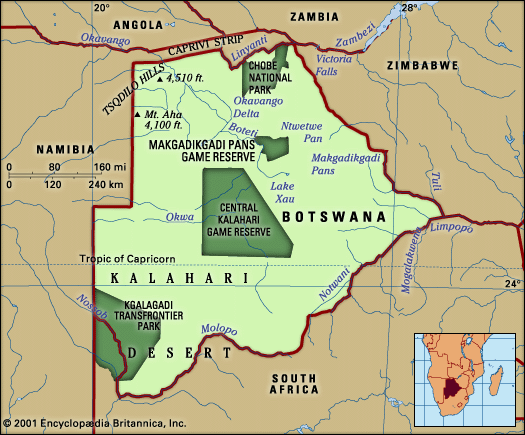
The Kgalagadi Transfrontier Park is located within the Kalahari Desert. It spans two countries: South Africa and Botswana.
The park covers a total area of 14,668 square miles (37,991 square km), with approximately three-quarters of its territory situated within Botswana.1
What are the main conservation challenges faced by Kgalagadi Transfrontier Park?
The primary conservation objective of the Kgalagadi Transfrontier Park is to protect migratory animal populations that move across the international border between South Africa and Botswana. By linking the Kalahari Gemsbok National Park with Botswana’s Gemsbok National Park, the transfrontier model facilitates a wider range of movement for wildlife, which is essential for maintaining biodiversity in the Kalahari Desert.12
While the provided search results do not detail specific, unique challenges currently facing the Kgalagadi Transfrontier Park, national parks and wildlife preserves globally often contend with the threat of poaching. Poaching—the illegal taking of animals or plants—is a significant driver of biodiversity loss and can critically deplete populations of protected species. Conservation efforts in such areas generally rely on the enforcement of game codes and the patrolling of game wardens to mitigate these risks and counteract commercial or illegal exploitation.4
Sources
- Kgalagadi Transfrontier Park — Encyclopædia Britannica
- South Africa - Conservation of South Africa — Encyclopædia Britannica
- Kalahari Desert - San — Encyclopædia Britannica
- poaching — Encyclopædia Britannica
Published on · 2 min read