Kingman Reef
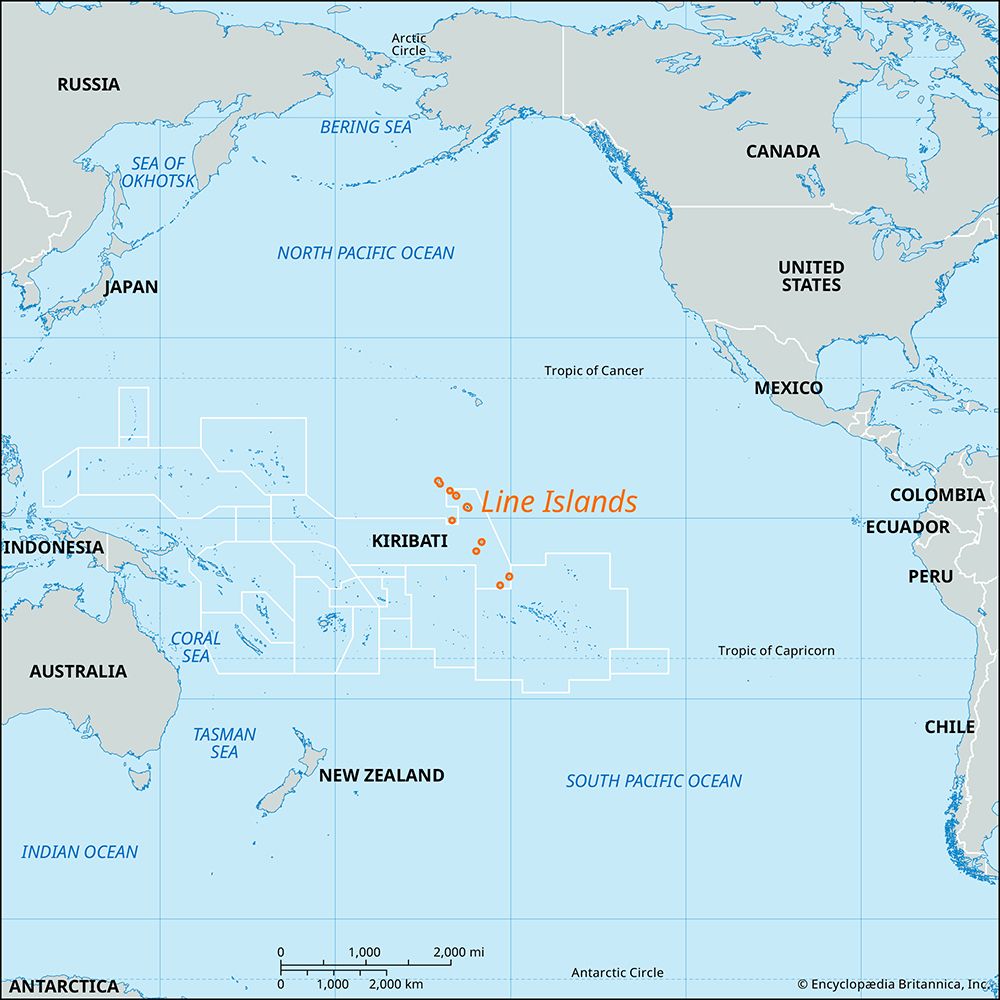
Kingman Reef is an unincorporated territory of the United States situated in the Northern Line Islands of the west-central Pacific Ocean. It is located…
What is the geographical location and size of Kingman Reef?
Kingman Reef is an unincorporated territory of the United States situated in the Northern Line Islands of the west-central Pacific Ocean. It is located approximately 920 miles (1,480 km) southwest of Honolulu.12
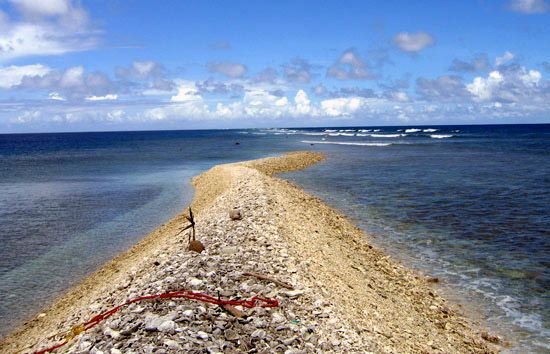
The reef is a barren atoll featuring a deep lagoon that measures 5 by 9.5 miles (8 by 15 km). Its total land area is very small, covering only 0.01 square mile (0.03 square km). The site is currently uninhabited and serves as a protected National Wildlife Refuge for migratory seabirds and sea turtles.1
Are there any human settlements or economic activities on Kingman Reef?
Kingman Reef is currently uninhabited and has no permanent human settlements. While the lagoon was utilized commercially between 1937 and 1938 as a station for seaplanes traveling between Hawaii and Samoa, such economic activities are no longer present.1
Today, the reef is managed by the U.S. Fish and Wildlife Service as a National Wildlife Refuge and is part of the Pacific Remote Islands Marine National Monument. Its primary function is to serve as a protected habitat for migratory seabirds and threatened sea turtles, rather than for human development or commerce.1
How is Kingman Reef managed and protected by the United States?
Kingman Reef is managed and protected by the United States through a transition from military oversight to environmental conservation. Following its formal annexation in 1922, the reef served as a U.S. naval reservation starting in 1934. The U.S. Navy maintained administrative responsibility for the territory until 2000, at which point management was transferred to the U.S. Fish and Wildlife Service.1
The reef’s status as a protected area was solidified in 2001 when it was declared a U.S. National Wildlife Refuge. Further protection was established in 2009, when it was designated as part of the Pacific Remote Islands Marine National Monument. These designations ensure that the reef is preserved as a habitat for migratory seabirds and threatened sea turtles, reflecting a commitment to ecological stewardship over commercial or military use.1
How does Kingman Reef compare to other U.S. territories in the Pacific Ocean?
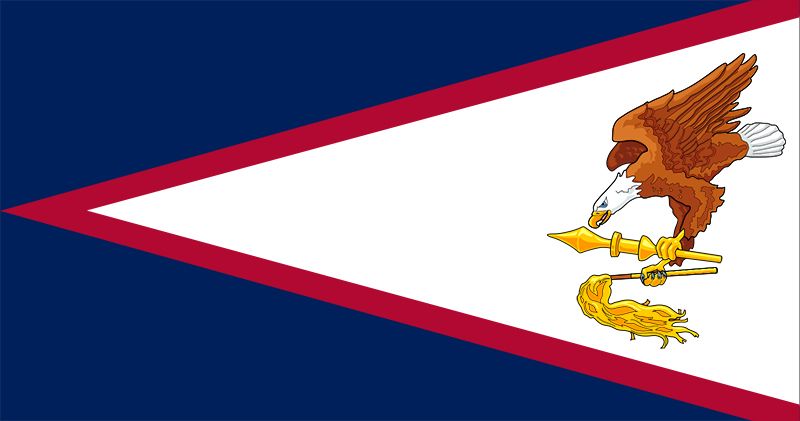
Kingman Reef differs significantly from other U.S. territories in the Pacific, primarily due to its lack of a permanent population and its status as a strictly protected ecological site. While territories such as American Samoa, Guam, and the Northern Mariana Islands are permanently inhabited and possess local governance structures, Kingman Reef is an uninhabited, unincorporated territory managed exclusively for conservation.135
Unlike the inhabited territories, which have delegates in Congress and specific tax statuses, Kingman Reef functions as a National Wildlife Refuge and part of the Pacific Remote Islands Marine National Monument. Its history also diverges from the major Pacific acquisitions that followed the Spanish-American War or the dissolution of the Trust Territory of the Pacific Islands; instead, it was annexed in 1922 and transitioned from a naval reservation to a protected habitat. While other territories serve as centers of population and political debate, Kingman Reef serves solely as a sanctuary for migratory seabirds and threatened sea turtles.153
Sources
- Kingman Reef — Encyclopædia Britannica
- Line Islands — Encyclopædia Britannica
- Territories of the United States — Encyclopædia Britannica
- Trust Territory of the Pacific Islands — Encyclopædia Britannica
- D.C. and Puerto Rico statehood - Other inhabited unincorporated U.S. territories — Encyclopædia Britannica
Published on · 2 min read