National Monument
In the United States, a national monument is an area of historical, prehistoric, or scientific interest that has been set aside for preservation. These sites…
What is national monument?
In the United States, a national monument is an area of historical, prehistoric, or scientific interest that has been set aside for preservation1. These sites protect diverse resources, including natural physical features, archaeological remains, and significant cultural landmarks.123
National monuments are typically established through a presidential proclamation under the Antiquities Act of 1906, which grants the president authority to protect federal lands deemed to be in imminent danger. While Congress also holds the power to designate these sites, the presidential process allows for more rapid action.23
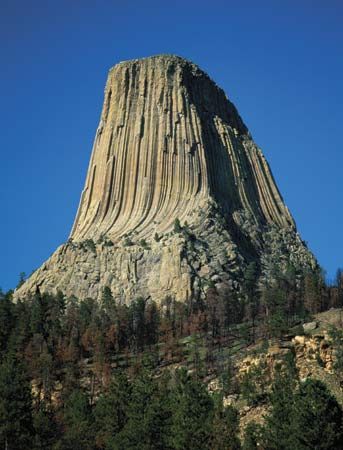
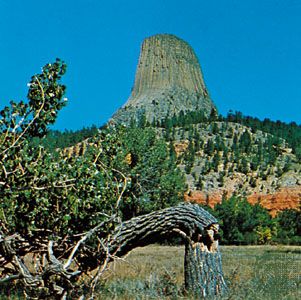
The first national monument, Devils Tower, was designated by President Theodore Roosevelt in 1906. Today, these areas are managed by various federal agencies, such as the National Park Service, and many sites—including the Grand Canyon—eventually transitioned from national monuments into national parkseventually transitioned from national monuments into national parks.2413
How does the Antiquities Act protect archaeological sites?
The Antiquities Act of 1906 protects archaeological sites by granting the U.S. president the authority to designate them as national monuments when they are located on federal land.3
Signed into law by President Theodore Roosevelt, the act was a direct response to the widespread looting and destruction of archaeological resources that occurred during westward expansion in the late 19th century. By designating these areas as national monuments, the government places them under the management of federal agencies—such as the National Park Service or the Forest Service—which are then empowered to establish rules, issue permits, and regulate both leisure and commercial activities to ensure the preservation of the site’s historical and scientific integrity.3
The act is particularly effective because it allows the president to act quickly to protect federal lands deemed to be in imminent danger, bypassing the often slow and deliberative legislative process required for other forms of land designation.43
What are the main differences between a national park and a national monument?
In the United States, both national parks and national monuments are protected areas managed by the National Park Service, but they differ primarily in their designation process and their intended purpose.415
Key Differences
- Designation Process: National parks are established through an act of Congress, a process that is typically slow and deliberative. In contrast, national monuments are often created by the president through a presidential proclamation under the Antiquities Act of 1906, which allows for rapid protection of federal lands deemed to be in imminent danger.41
- Primary Focus: National parks are generally set aside for the preservation of large-scale natural environments, often emphasizing public recreation and the protection of diverse wildlife and landscapes. National monuments are designated to protect specific objects or places of historical, prehistoric, or scientific interest, such as archaeological sites, unique physical features, or cultural landmarks.641
- Evolution: The two designations are not mutually exclusive; many of the country’s national parks began as national monuments. For example, Grand Canyon National Park and Acadia National Park were both originally established as national monuments before being redesignated as national parks by Congress.45
What role does the National Park Service play in managing these sites?
The National Park Service (NPS) serves as the primary federal agency responsible for managing and maintaining hundreds of protected areas, including national parks, monuments, historical sites, and other federal properties. Established in 1916, its core mandate is to “conserve the scenery and the natural and historic objects and the wild life therein and…leave them unimpaired for the enjoyment of future generations.”84
To fulfill this mission, the NPS performs several critical management functions:
- Infrastructure and Operations: NPS staff, including park rangers, maintain site infrastructure, manage visitor activities, and act as guides and interpreters for the public.94
- Regulatory Oversight: The agency establishes rules and issues permits for both leisure and commercial activities within its managed sites to ensure the protection of natural and cultural resources.109
- Conservation and Ecosystem Management: The NPS works to sustain balanced ecosystems, which includes efforts such as reintroducing native species, managing traffic congestion to protect sensitive environments, and mitigating human-wildlife conflicts.9
- Contract Management: Private vendors providing services like lodging and dining operate under contracts that are subject to strict NPS oversight.9
Sources
- national monument — Encyclopædia Britannica
- national monument — Merriam-Webster
- Antiquities Act of 1906: Top Questions — Encyclopædia Britannica
- Antiquities Act of 1906 — Encyclopædia Britannica
- National Park Service - Establishment of the NPS — Encyclopædia Britannica
- Capitol Reef National Park — Encyclopædia Britannica
- national park — Encyclopædia Britannica
- National Park Service — Encyclopædia Britannica
- National Park Service - The contemporary NPS — Encyclopædia Britannica
- Happy 100th Birthday, National Park Service! — Encyclopædia Britannica
Published on · 3 min read