Kinta Valley
The provided search results do not specify a single "current primary industry" that has replaced tin mining in the Kinta Valley. While the region was…
What is the current primary industry in the Kinta Valley after the decline of tin mining?
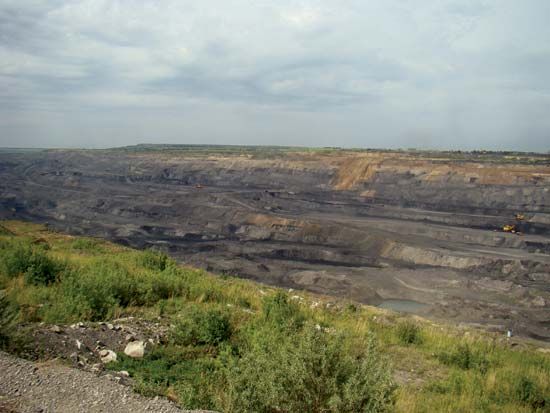
The provided search results do not specify a single “current primary industry” that has replaced tin mining in the Kinta Valley. While the region was historically defined by its status as one of the world’s most productive tin regions, the available information indicates that the economy has diversified rather than transitioned to one dominant sector.
Current economic activities in the area include:
- Manufacturing: The Tasek Industrial Estates, supported by hydroelectric power from the Chenderoh Dam, host more than 40 factories.1
- Agriculture: Rubber production from foothill plantations remains a significant contributor to the local economy.12
- Other Resources: The region continues to support paddy (rice) farming, coconut plantations, fishing, and the mining of other minerals such as iron.2
The provided documents do not identify a new primary industry that has superseded the historical importance of tin.
What are some notable landmarks or tourist attractions in the Kinta Valley?
The Kinta Valley, historically renowned as one of the world’s most productive tin mining regions, features several notable landmarks and attractions shaped by its unique geography and industrial heritage:
- Limestone Caves and Temples: The landscape north and south of Ipoh is characterized by dramatic limestone formations. These hills contain massive, naturally occurring caves that have been repurposed into Chinese temples, serving as significant cultural and religious sites.2
- Ipoh City: As the capital of the state of Perak, Ipoh is the primary urban hub of the valley. Visitors can observe the city’s spacious, rectangular layout and view the historic, imposing residences once owned by wealthy mine operators during the height of the tin boom.2
- Mining Towns: The valley is dotted with towns that grew out of the 19th-century mining industry, including Gopeng, Batu Gajah, and Kampar, which offer insight into the region’s industrial evolution.1
What are the main cities and towns in the Kinta Valley, and how have they evolved?
The Kinta Valley, located in West Malaysia, is defined by its history as one of the world’s most productive tin mining regions. The development of its major towns is inextricably linked to the extraction of this ore, which began in the 1880s.1
Key Towns and Cities
- Ipoh: The state capital and primary urban hub, Ipoh emerged in the 1890s when British mining companies shifted operations to the Kinta Valley. It grew rapidly as a center for the tin industry, attracting large numbers of immigrant Chinese workers who eventually dominated the local mining operations.2
- Gopeng, Batu Gajah, and Kampar: These towns were established as direct results of the early, shallow, open-pit mining operations conducted by Chinese miners.1
Evolution of the Region
The evolution of these settlements has been driven by the changing nature of mining technology and economic diversification:
- Industrial Shift: While early mining was shallow and labor-intensive, the industry evolved to include large-scale dredging in the south, where ore deposits lie as deep as 200 feet.1
- Urban Development: Ipoh evolved into a sophisticated city with a spacious, rectangular layout, featuring the grand residences of wealthy mine owners in its suburbs.2
- Modern Diversification: Following the decline of the tin boom, the region transitioned toward broader economic activities. Today, the area supports manufacturing—centered in the Tasek Industrial Estates—as well as agriculture, including rubber, paddy, and coconut production.123
What is the historical significance of the Kinta Valley in Malaysia’s development?
The Kinta Valley holds immense historical significance as one of the world’s most productive tin mining regions, serving as a cornerstone of Malaysia’s economic development since the 1880s.1
Economic and Industrial Impact
The valley’s rich deposits of cassiterite-rich alluvium fueled a massive industrial boom that transformed the region. Initially, the industry relied on shallow, open-pit mining operated by Chinese laborers, which led to the establishment of towns such as Gopeng, Batu Gajah, Kampar, and Ipoh. As mining technology advanced, the industry shifted toward large-scale dredging to access deeper ore deposits, further cementing the valley’s status as the nation’s mining capital.13
Urban and Social Development
The wealth generated by tin mining facilitated the rapid growth of urban centers. Ipoh, in particular, evolved into a sophisticated city with a spacious, rectangular layout and grand residences for mine owners. The influx of immigrant workers to support these operations significantly shaped the demographic and cultural landscape of the region. Furthermore, the valley’s infrastructure—including the Malayan Railway and extensive highway networks—was developed to support this vital industry.32
Sources
- Kinta Valley — Encyclopædia Britannica
- Ipoh — Encyclopædia Britannica
- Perak — Encyclopædia Britannica
- Malaysia - Rural settlement — Encyclopædia Britannica
Published on · 3 min read