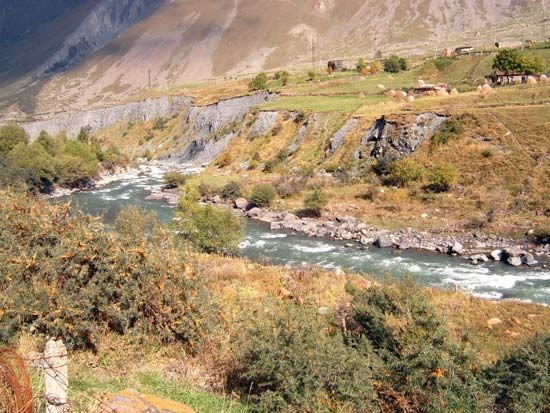
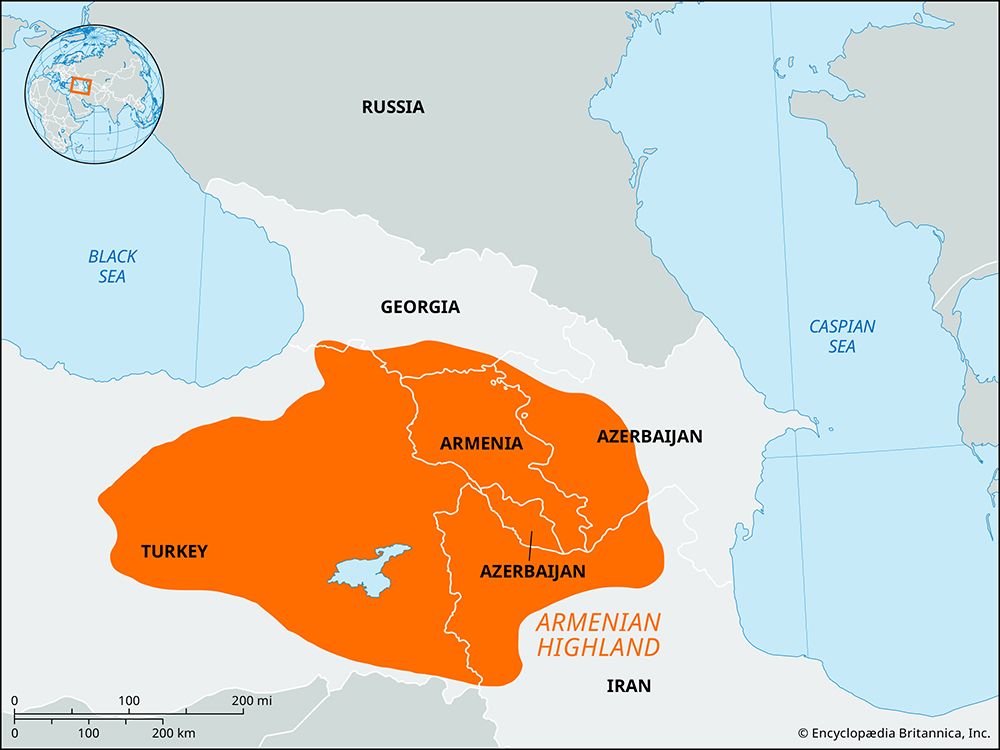
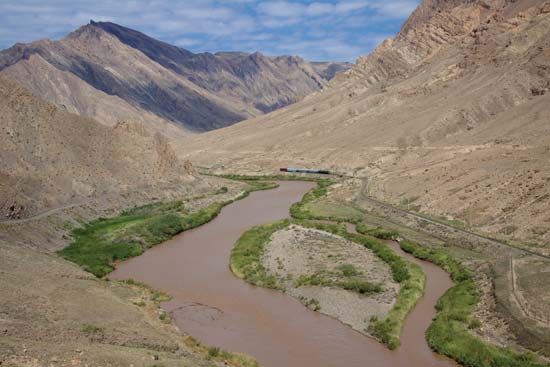
Kura River
The Kura River serves as a vital economic resource for the Transcaucasian region through several key sectors:
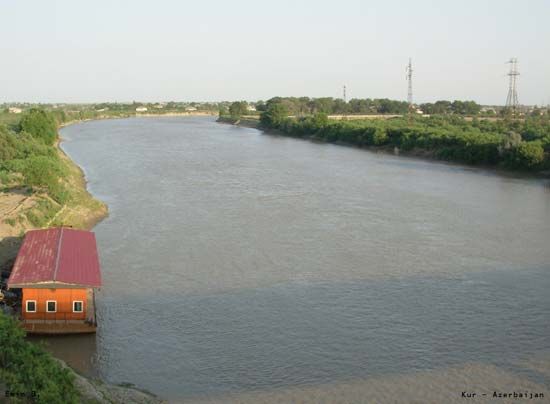
How is the Kura River used for economic purposes, such as agriculture, hydropower, or transportation?
The Kura River serves as a vital economic resource for the Transcaucasian region through several key sectors:
- Agriculture: The river is extensively utilized for irrigation purposes, supporting agricultural productivity across its basin.1
- Hydropower: The river is a significant source of energy. Dams located at the Mtskheta narrows in Georgia and near Mingəçevir in Azerbaijan facilitate the generation of hydroelectric power. The Mingəçevir site also features a large reservoir. Additionally, several of the river’s tributaries are harnessed for power generation.1
- Transportation: While the river is navigable for 300 miles (480 km) upstream as far as Yevlax, it is not the primary mode of freight transport in the region. Instead, the Kura valley serves as a critical corridor for land-based infrastructure, with a major railway line connecting Baku to Tbilisi and Batumi running through the valley.12
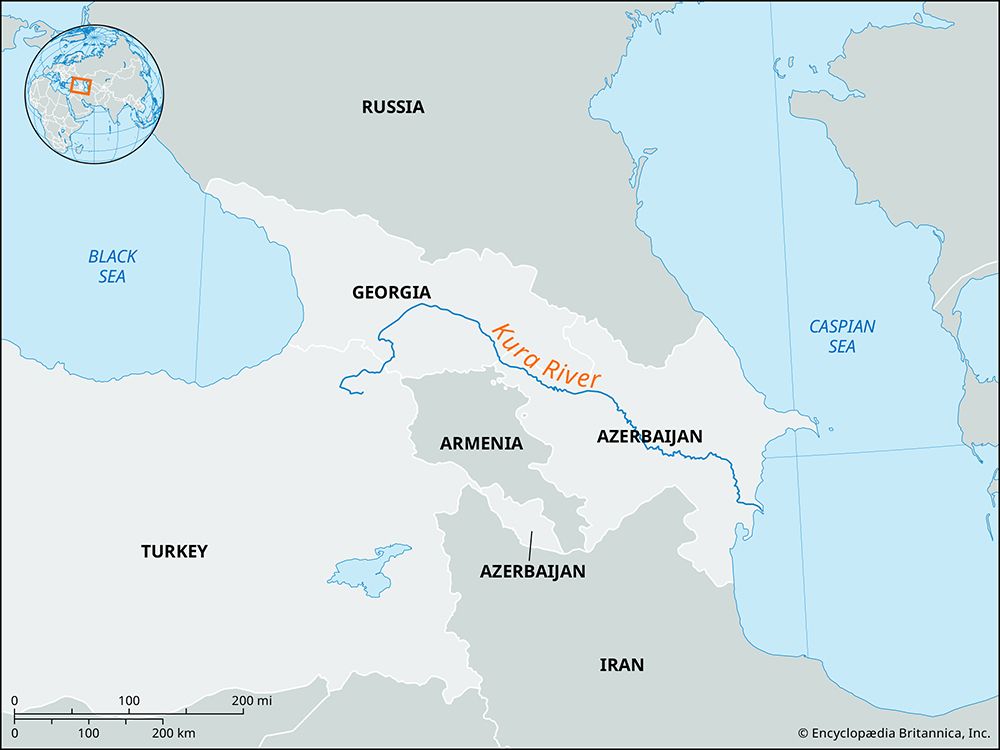
What major cities or settlements are located along the Kura River?
Several significant cities and settlements are situated along the banks of the Kura River as it flows through the Transcaucasian region:
- Tbilisi: The capital of Georgia is perhaps the most prominent city on the river, located in eastern Georgia and situated partly within a scenic gorge carved by the Kura.13
- Mtskheta: Located in Georgia, this area is notable for the Mtskheta narrows, where a dam has been constructed on the river.1
- Mingəçevir: Situated in Azerbaijan, this city is located near a major dam and hydroelectric station that created the Lake Mingəçevir reservoir.1
- Yevlax: Also located in Azerbaijan, this settlement serves as an important point on the river, marking the upstream limit of navigability for the Kura.1
While other major Georgian centers like Rustavi are located within the region, the river’s path through the Kartli plain and various gorges defines the primary urban geography along its course.13
Are there any notable bridges or dams constructed on the Kura River?
The Kura River features several significant engineering structures, primarily focused on hydroelectric power generation and water management:
- Mtskheta Dam: Located in Georgia just above the capital city of Tbilisi, this dam is situated within the Mtskheta narrows.1
- Mingəçevir Dam and Reservoir: Located in Azerbaijan, this major dam and its associated hydroelectric station have created the large Lake Mingəçevir. This facility is essential for flood control, power generation, and the irrigation of the Kura-Aras Lowland.12
While the river valley serves as a vital corridor for land-based infrastructure, including a major railway line connecting Baku to Tbilisi and Batumi, the provided records do not detail specific notable bridges crossing the river.15
What is the origin of the name ‘Kura River’ and does it have different names in various languages?
The provided search results do not contain information regarding the etymological origin of the name “Kura River” or its specific designations in other languages. While the name is associated with the region of the Caucasus, the available documentation focuses on the river’s geography, length, and infrastructure rather than its linguistic history or nomenclature across different cultures.146
Sorry, the Britannica knowledge base does not contain this information.
Sources
- Kura River — Encyclopædia Britannica
- Azerbaijan - Transportation — Encyclopædia Britannica
- Georgia - Settlement patterns — Encyclopædia Britannica
- Kura — Merriam-Webster
- Mingäçevir — Encyclopædia Britannica
- Kura clover — Merriam-Webster
Published on · 2 min read