Abşeron Peninsula
The Abşeron Peninsula is a peninsula in Azerbaijan that extends 37 miles (60 km) eastward into the Caspian Sea. As an eastern extension of the Caucasus…
What is Abşeron Peninsula?
The Abşeron Peninsula is a peninsula in Azerbaijan that extends 37 miles (60 km) eastward into the Caspian Sea. As an eastern extension of the Caucasus Mountains, the region consists of a gently undulating plain characterized by salt lakes and ravines.1
Despite its coastal location, the area is one of the most arid parts of Azerbaijan. The peninsula is economically significant for its rich mineral wealth, particularly oil and natural gas, with oil-bearing strata extending into the sea. The national capital, Baku, is located on the southern coast, and its modern growth is largely attributed to the development of the oil industry. Additionally, the region serves as a vital transportation hub, connecting Azerbaijan and Transcaucasia with Central Asia and the North Caucasus. Other regional industries include the production of limestone, cement, and agriculture such as vineyards and tea plantations.21
What role does the Caspian Sea play in the economy of Azerbaijan?
The Caspian Sea is central to Azerbaijan’s economy, serving as a vital hub for energy production, international trade, and specialized industries.
Energy and Natural Resources
Azerbaijan’s economy is heavily tied to the exploitation of petroleum and natural gas reserves located beneath the Caspian Sea. Following the 1994 contracts with international companies, the development of these offshore fields became a primary economic driver. The Baku-Tbilisi-Ceyhan pipeline, which opened in 2005, was a transformative project that allowed the landlocked nation to deliver large-scale oil supplies to global markets.345
Transportation and Trade
The city of Baku functions as a critical seaport on the Caspian, handling essential goods such as oil, timber, grain, and cotton. The sea facilitates regional connectivity through:56
- Ferry Services: A vital link between Baku and Turkmenbashi in Turkmenistan, which allows for the transport of railway stock without unloading.56
- Regional Logistics: The sea serves as a transit corridor connecting Azerbaijan to neighboring countries like Kazakhstan, Russia, and Iran.54
Fisheries
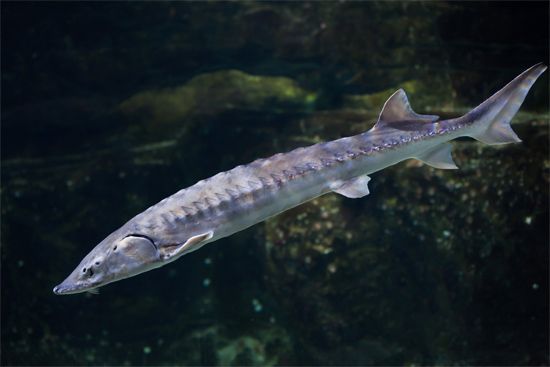
The Caspian is also economically significant for its sturgeon population, which supports the production of internationally renowned caviar. However, this industry faces challenges due to the depletion of stocks caused by water pollution.7
How has the oil industry shaped the development of Baku?
The oil industry has been the primary engine of Baku’s development since modern commercial exploitation began in 1872. Known as the world’s first oil town, Baku’s rapid growth was fueled by its status as the largest oil field in the world at the start of the 20th century, when it produced more than half of the global supply.89
This industry has shaped the city in several key ways:
- Urban Expansion: Modern Baku rose around the historic fortress of Icheri-Shekher, with industrial plants concentrated at the city’s eastern and southwestern ends. Today, Greater Baku encompasses nearly the entire Abşeron Peninsula, featuring infrastructure like offshore oil platforms and a vast network of pipelines.8
- Economic Foundation: Beyond extraction, Baku became a major center for manufacturing equipment for the oil industry, as well as shipbuilding, metalworking, and chemical production.8
- Global Integration: The 1994 contracts with international companies and the 2005 opening of the Baku-Tbilisi-Ceyhan pipeline transformed the city into a critical node for global energy markets.109
- Institutional Growth: The industry spurred the creation of specialized educational institutions, including universities focused on petroleum engineering.8
What are some other major geographic regions in Azerbaijan?
Azerbaijan is characterized by a diverse range of landscapes, shaped by its broken relief and distinct altitudinal zones. Beyond the industrial and coastal focus of the Abşeron Peninsula, the country is divided into several major geographic and economic regions:
- Greater Caucasus: Located in the north, this region features the country’s highest peaks, including Bazardyuzyu. It is a region of deep gorges and mountain streams, though it is also prone to significant seismic activity.11
- Lesser Caucasus: Situated in the southwest, this mountain system includes ranges such as the Murovdag and Zangezur. It is a rugged area where broken relief often presents challenges for the development of industry and transport.112
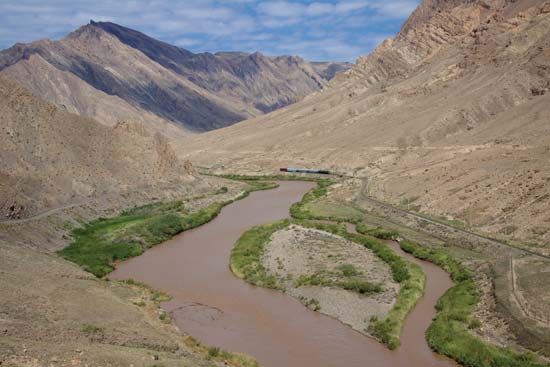
- Kura-Aras Lowland: Named for the Kura and Aras rivers, this central region is vital for agriculture. It includes the Shirvan, Milskaya, and Mugan plains, which rely on an extensive network of irrigation canals.112
- Länkäran Region: Located in the southeast along the Caspian coast, this area is known for its warm climate, supporting crops like tea, rice, and citrus fruits.112
- Şäki-Zaqatala Region: Bordering the Greater Caucasus, this densely populated area is sheltered from cold northern winds and is a major producer of walnuts and hazelnuts.2
- Naxçıvan: An exclave and autonomous republic, this region is largely mountainous with a semidesert climate in the plains, where agriculture is sustained through irrigation.212
- Gäncä-Qazax Region: Positioned in the center of Transcaucasia, this area has historically served as a crossroads for trade and remains a hub for intensive agriculture and industry.2
Sources
- Abşeron Peninsula — Encyclopædia Britannica
- Azerbaijan - Economic regions — Encyclopædia Britannica
- Caspian Sea - Transportation — Encyclopædia Britannica
- Azerbaijan - Transportation — Encyclopædia Britannica
- Azerbaijan - Resources and oil industry — Encyclopædia Britannica
- Azerbaijan - Agriculture — Encyclopædia Britannica
- Caspian Sea — Encyclopædia Britannica
- Azerbaijan - Economy — Encyclopædia Britannica
- Baku — Encyclopædia Britannica
- Azerbaijan: Top Questions — Encyclopædia Britannica
- Azerbaijan - Relief, drainage, and soils — Encyclopædia Britannica
- Naxçıvan — Encyclopædia Britannica
- Lesser Caucasus — Encyclopædia Britannica
- Caucasus - Geology of Caucasus — Encyclopædia Britannica
Published on · 4 min read