Kuril Trench
The Kuril Trench is a deep submarine depression located in the western Pacific Ocean. It stretches approximately 1,800 miles (2,900 km) in a north-south…
What is Kuril Trench?
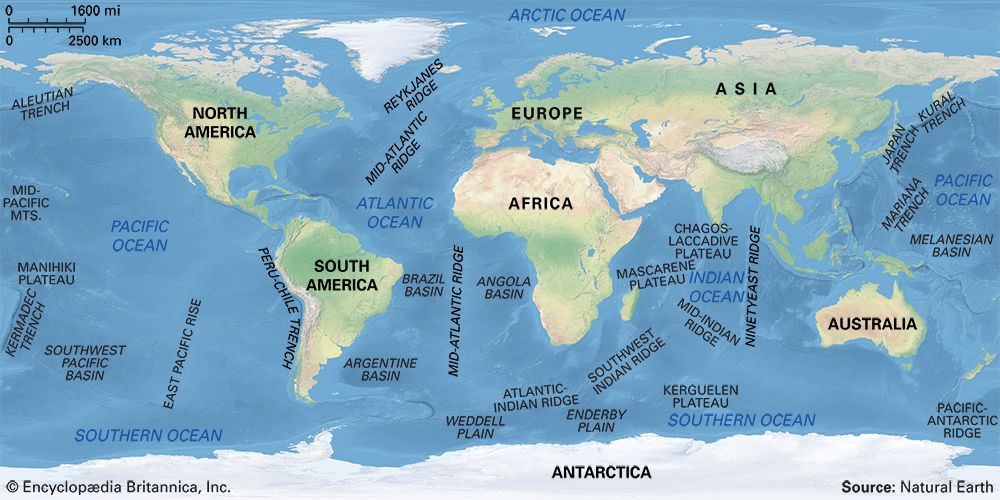
The Kuril Trench is a deep submarine depression located in the western Pacific Ocean. It stretches approximately 1,800 miles (2,900 km) in a north-south direction, situated east of the Kamchatka Peninsula, the Kuril Islands, and Hokkaido, Japan.1
Reaching a maximum depth of 34,587 feet (10,542 meters), the trench is characterized by steep slopes and occasional terraces, which are believed to be the result of large-scale rock slumping. Geologically, the Kuril Trench is a subduction zone where the Pacific Plate converges with and slides beneath plates to the west. This process is part of the broader Ring of Fire, a seismically active belt associated with frequent earthquakes and volcanic activity2. The trench marks the northern segment of a chain of oceanic trenches that extends toward the Philippine Trench.12
What is the difference between an island arc and a continental margin trench?
The primary difference between an island arc and a continental margin trench lies in the nature of the overriding plate at a subduction zone. Both features form where an oceanic plate converges with another plate, but the resulting geological structures differ based on whether that overriding plate is oceanic or continental.43
Island Arcs
An island arc develops when two oceanic plates converge. As the denser, older oceanic plate subducts, it triggers partial melting in the mantle, creating magma that rises to form a curved chain of volcanic islands on the overriding oceanic plate. These arcs are often associated with back-arc basins, where extension in the overriding plate creates new seafloor behind the island chain.536
Continental Margin Trenches
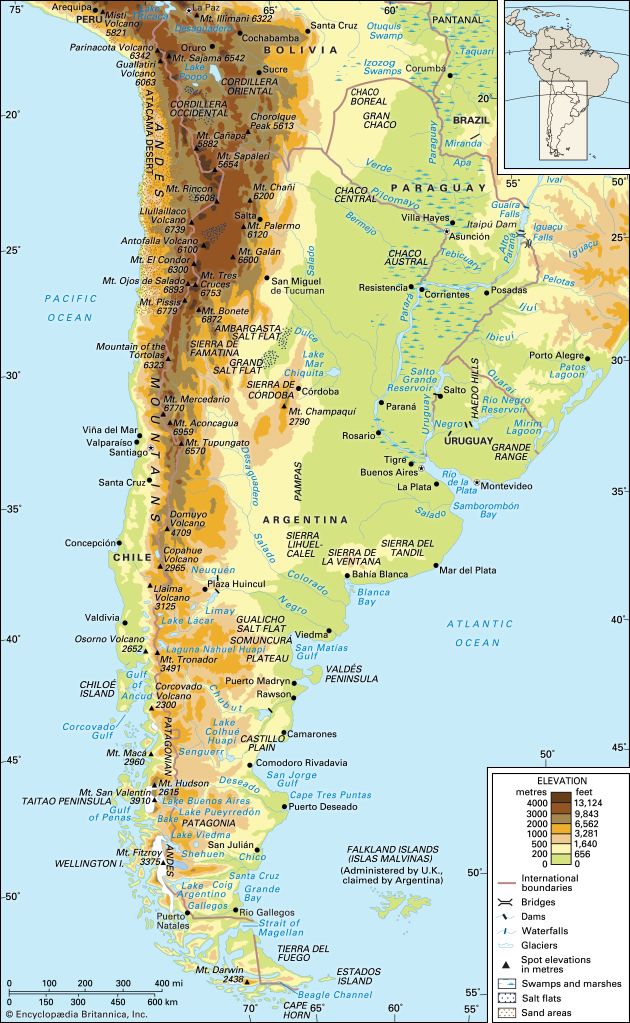
A marginal trench forms when an oceanic plate subducts beneath a continental plate. In this scenario, the topographic depression follows the outline of the continental margin rather than forming an isolated arc of islands. The resulting volcanic activity occurs inland, often creating massive mountain ranges like the Andes, where the rising magma must pass through thick continental crust, often resulting in more silicon-rich volcanic rocks.43
How do subduction zones contribute to the formation of volcanoes?
Subduction zones are primary drivers of volcanic activity through a process involving the descent of tectonic plates and the generation of magma. When an oceanic plate subducts beneath another plate, it descends into the asthenosphere, reaching depths of approximately 100 to 200 km (60 to 120 miles).527
As the slab descends, it carries water and other volatile compounds from seafloor sediments into the mantle. These volatiles act as fluxes, lowering the melting temperature of the mantle rocks in the region above the subducting slab, known as the mantle wedge. This process triggers partial melting, producing magma that is buoyant and rises toward the surface.572
The resulting volcanoes form on the overriding plate, typically offset inland from the oceanic trench5. The nature of the overriding plate determines the volcanic structure:7
- Ocean-Ocean Convergence: Produces a curved chain of islands known as an island arc, such as the Mariana Islands.52
- Ocean-Continent Convergence: Results in inland volcanic mountains, such as the Andes, where magma may be modified by the thick continental crust.57
What are some other major deep-sea trenches found in the Pacific Ocean?
The Pacific Ocean contains the vast majority of the world’s deep-sea trenches, with 17 of the Earth’s 20 major trenches located within its basin. These features are typically narrow, steep-sided depressions associated with subduction zones where tectonic plates collide.910
Major trenches found in the Pacific include:
- Peru-Chile Trench: The longest trench in the world, extending approximately 5,900 km (3,700 miles) along the western coast of South America.9
- Aleutian Trench: Stretches from the Gulf of Alaska to the Kamchatka Peninsula.9
- Kuril Trench: Located east of the Kamchatka Peninsula, the Kuril Islands, and Hokkaido, Japan, extending about 2,900 km (1,800 miles).11
- Tonga Trench: Situated in the South Pacific, this trench reaches depths of over 10,800 meters.12
- Kermadec Trench: Forms the southern portion of the Tonga-Kermadec arc system.129
- Java Trench: A major feature extending from northern Australia toward Sumatra.9
- Additional Trenches: The western Pacific also hosts the Japan, Philippine, Mariana, Bonin, Ryukyu, New Britain, Solomon, and New Hebrides trenches.9
Sources
- Kuril Trench — Encyclopædia Britannica
- Ring of Fire — Encyclopædia Britannica
- deep-sea trench - Types — Encyclopædia Britannica
- island arc — Encyclopædia Britannica
- plate tectonics - Island arcs — Encyclopædia Britannica
- plate tectonics - Back-arc basins — Encyclopædia Britannica
- volcano - Subduction volcanoes — Encyclopædia Britannica
- igneous rock - Effects of water and other volatiles — Encyclopædia Britannica
- Pacific Ocean: Top Questions — Encyclopædia Britannica
- Tonga Trench — Encyclopædia Britannica
- deep-sea trench - Origin of deep-sea trenches — Encyclopædia Britannica
- Mariana Trench — Merriam-Webster
- deep-sea trench — Encyclopædia Britannica
Published on · 3 min read