La Brea Tar Pits
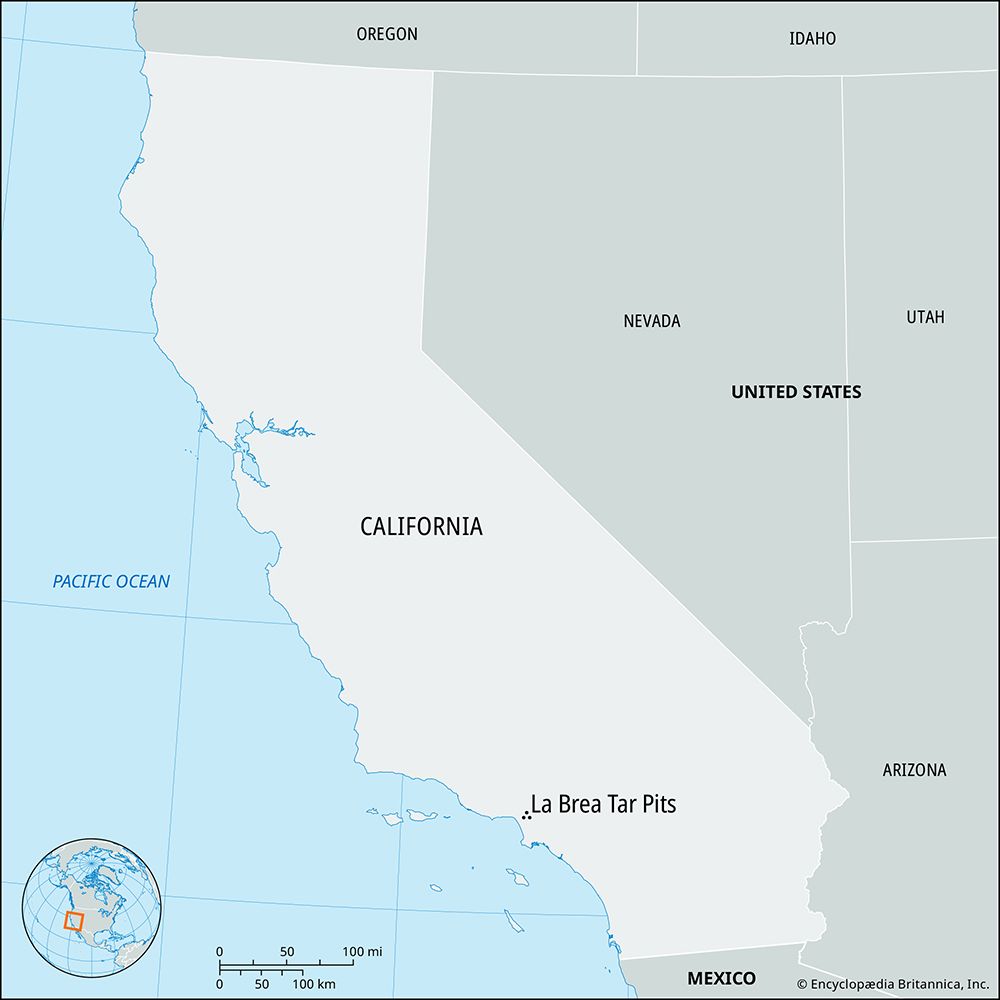
Yes, the La Brea Tar Pits have yielded both human remains and artifacts. Excavations at the site have uncovered one partial human skeleton as well as…
Are there any human remains or artifacts found in the La Brea Tar Pits?
Yes, the La Brea Tar Pits have yielded both human remains and artifacts. Excavations at the site have uncovered one partial human skeleton as well as numerous human artifacts.
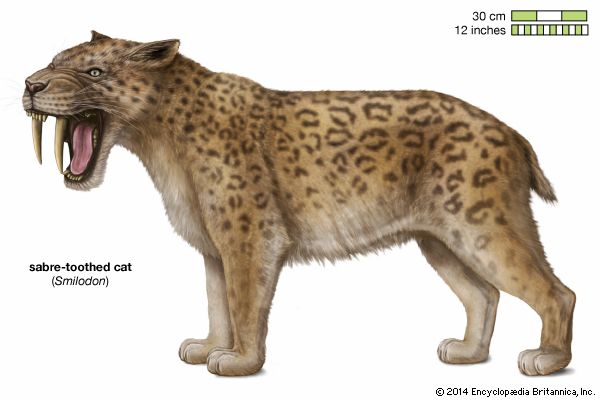
Historically, the area’s “pitch springs” were utilized by local Indigenous peoples for waterproofing purposes. Beyond human findings, the pits are world-renowned for preserving a vast array of Pleistocene fossils, including the sabre-toothed cat, mammoth, and various other prehistoric mammals, insects, and plant life. The Page Museum currently houses over one million specimens recovered from these asphalt deposits.1
What are tar pits, and how are they formed?
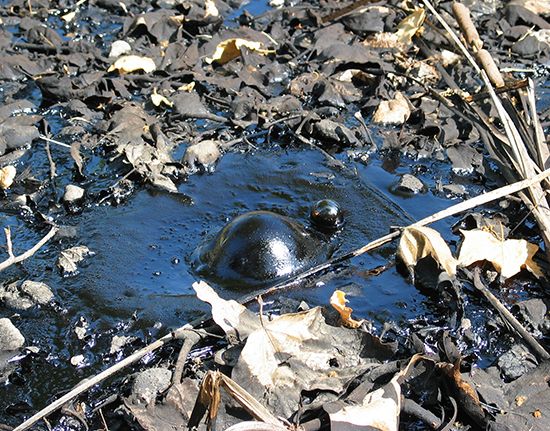
A tar pit is an area where natural bitumens—specifically asphalt—collect and are exposed at the Earth’s surface. These pits are characterized by thick, sticky pools of viscous, low-grade crude oil that have oozed upward from large underground petroleum reservoirs.23
These formations occur when petroleum migrates through fissures in the Earth’s crust to the surface. As the lighter components of the oil evaporate, the remaining material thickens into asphalt. Because of their sticky, trap-like consistency, these pits have historically acted as natural preservation sites, ensnaring animals and preserving their hard parts, such as bones and teeth, which provides scientists with a valuable record of prehistoric life.312
How old are the oldest fossils found in the La Brea Tar Pits?
The fossils discovered at the La Brea Tar Pits primarily date to the Pleistocene epoch. While the provided search results confirm that the site is a significant repository for prehistoric remains from this period, they do not specify an exact numerical age for the oldest individual fossil found.
Historically, early researchers mistakenly believed the remains were of recent origin, but subsequent scientific interest confirmed they belong to a diverse range of extinct creatures, including the sabre-toothed cat and the mammoth, which lived during the Pleistocene.1
What modern-day animals or plants can be found around the La Brea Tar Pits?
The La Brea Tar Pits are located within Hancock Park in Los Angeles, an urban environment that supports a variety of modern-day flora and fauna typical of Southern California. While the site is world-renowned for its Pleistocene fossil record, the park itself functions as a public space where contemporary wildlife, such as local birds, insects, and small mammals, can be observed alongside the active asphalt seeps.
It is important to note that the search results focus primarily on the prehistoric specimens exhumed from the pits, such as the mammoth and sabre-toothed cat, rather than a catalog of current biological life in the park. Because the provided information does not detail the specific modern-day plant or animal species currently inhabiting the grounds of Hancock Park, I cannot provide a comprehensive list of the living organisms found there today.
Sources
- La Brea Tar Pits — Encyclopædia Britannica
- La Brea Tar Pits — Merriam-Webster
- tar pit — Merriam-Webster
- asphalt — Encyclopædia Britannica
Published on · 2 min read