How Big Were Saber-toothed Cats Compared to Tigers?
It is a common misconception to refer to these extinct animals as "saber-toothed tigers," but they are not true tigers; while modern tigers belong to the…
How big were saber-toothed cats compared to tigers?
It is a common misconception to refer to these extinct animals as “saber-toothed tigers,” but they are not true tigers; while modern tigers belong to the subfamily Felinae, saber-toothed cats belong to the subfamily Machairodontinae or the family Nimravidae.1
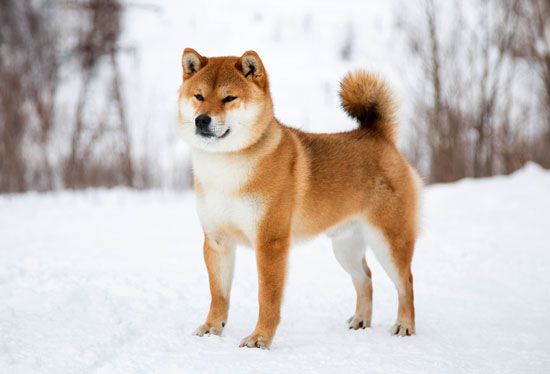
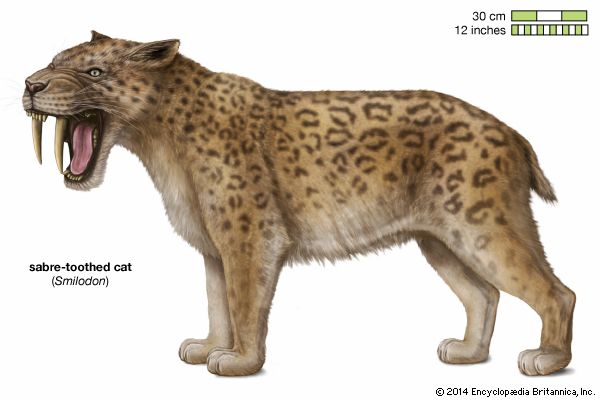
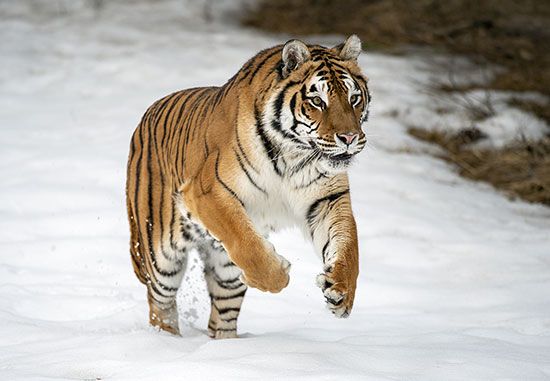
In terms of size, members of the genus Smilodon were generally comparable in height and length to Siberian tigers, though they were significantly more robust and stocky. While S. fatalis weighed between 160 and 280 kg (350–620 pounds)—falling within the range of today’s largest tigers—the species S. populator was much larger, with some estimates reaching 400 kg (880 pounds).2
Physically, the two are quite distinct. Tigers possess elongated bodies and limbs built for both power and speed. In contrast, saber-toothed cats had short, muscular bodies and powerful forelimbs designed for grappling and ambush tactics rather than sprinting. These differences reflect their unique evolutionary paths: tigers evolved for stealth and speed in varied habitats, while saber-toothed cats specialized in using raw strength to take down large Ice Age herbivores.2
How did Smilodon use its long canine teeth to hunt?
The genus Smilodon utilized its iconic, elongated upper canine teeth—which could reach lengths of up to 20 cm (8 inches)—primarily for stabbing and slashing attacks against large herbivores.3
To facilitate this specialized hunting style, the animal possessed several distinct anatomical adaptations:
- Jaw Mechanics: The jaw was capable of opening to an angle of 90 degrees or greater, which provided the necessary clearance for the long canines to strike without obstruction.34
- Muscular Force: Powerful neck muscles were essential to the process, as they provided the force required to drive the head downward during an attack, effectively using the teeth as precision weapons.3
- Structural Support: The overall skull and jaw structure were specifically evolved to support this predatory behavior, allowing the cat to deliver lethal blows to its prey.3
What kind of prey did saber-toothed cats typically hunt during the Ice Age?
During the Pleistocene Epoch, saber-toothed cats—most notably the genus Smilodon—were specialized predators that relied on their physical strength and unique dental adaptations to hunt large herbivores.32
While their exact dietary habits are inferred from the fossil record, they are believed to have targeted megafauna, including mastodons. Their anatomy, characterized by powerful forelimbs for grappling and elongated upper canine teeth for stabbing and slashing, suggests they were ambush predators capable of taking down prey much larger than themselves.231
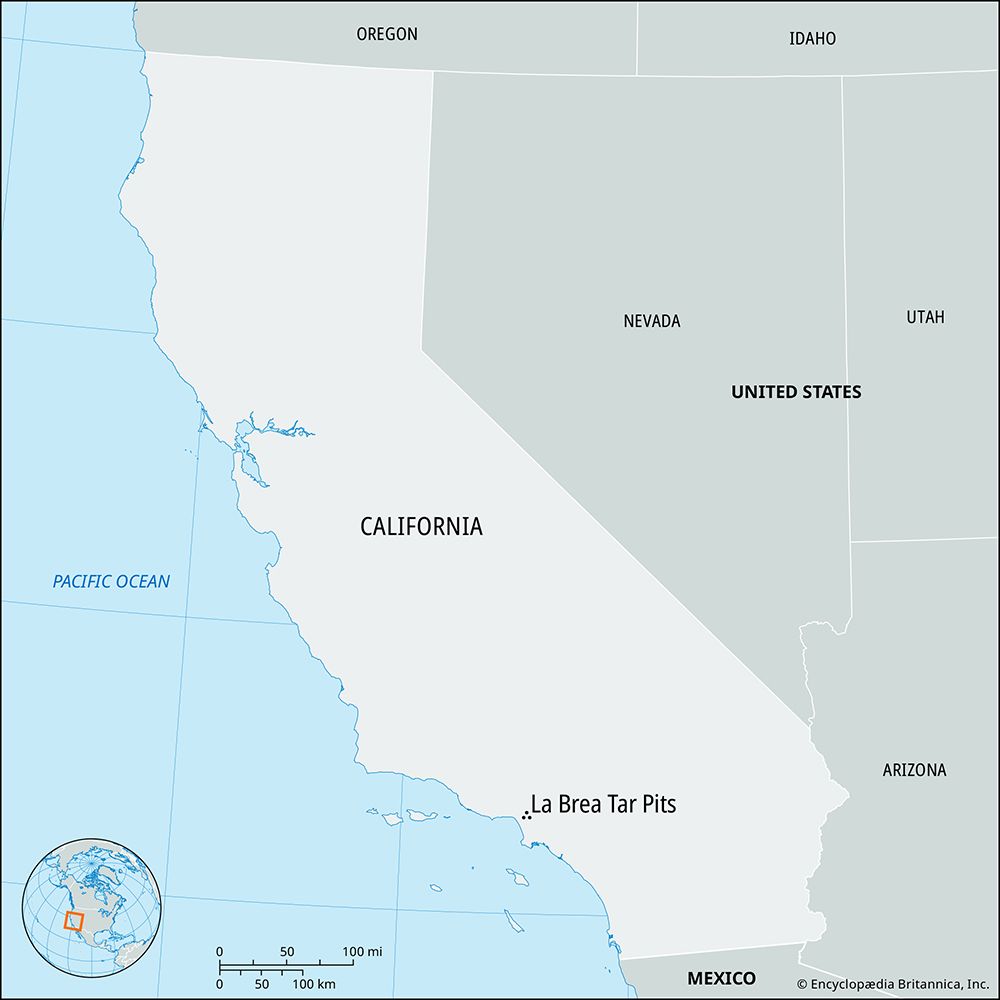
The La Brea Tar Pits in Los Angeles provide significant evidence of these interactions; many Smilodon fossils have been found there, indicating that these cats were often drawn to the site to prey on other animals that had become trapped in the tar. As the Pleistocene came to a close, the extinction of these cats closely mirrored the decline of the large herbivores they relied upon for food.2
Why did saber-toothed cats go extinct while other big cats survived?
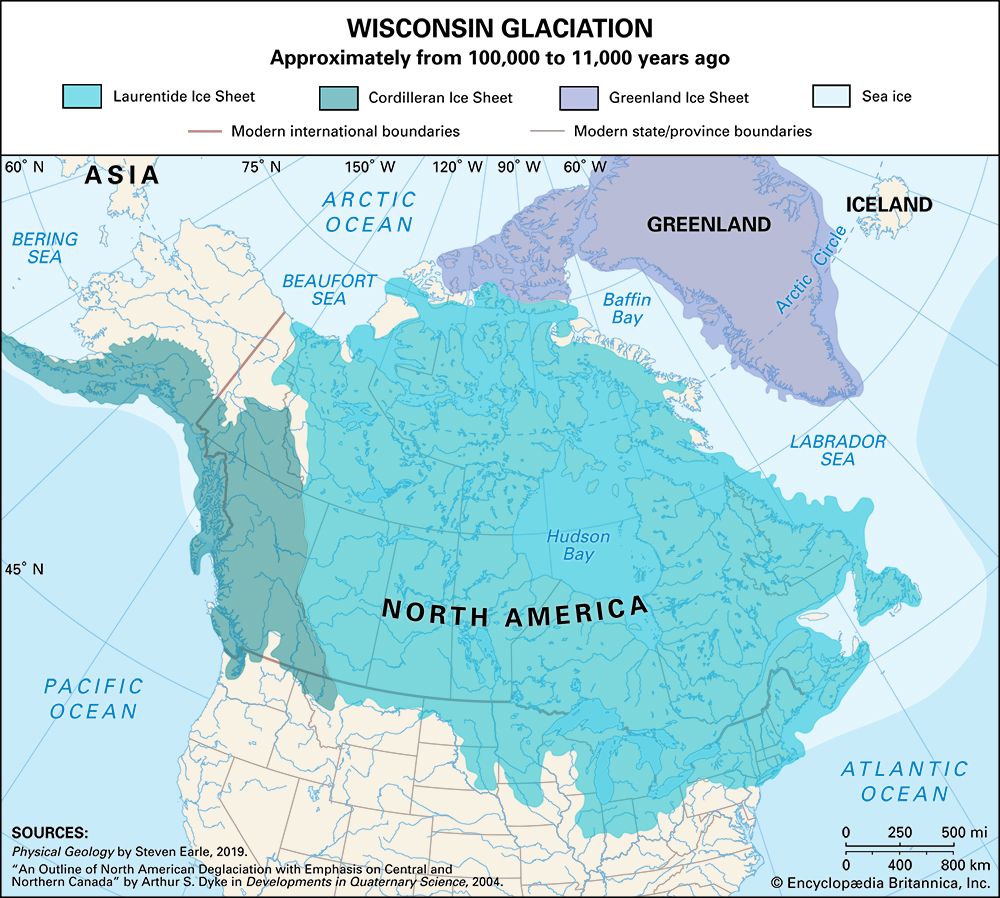
The extinction of saber-toothed cats was not an isolated event but part of a broader wave of megafaunal extinctions that occurred at the end of the Pleistocene Epoch.27
Their disappearance is closely linked to the fate of their primary prey. Saber-toothed cats, such as the genus Smilodon, were highly specialized predators that relied on large herbivores, including mastodons. As these large prey species declined or went extinct due to environmental shifts or human activity, the specialized carnivores that depended on them could no longer sustain their populations.27
While modern big cats like lions and tigers survived, they possess different evolutionary adaptations. Unlike the robust, ambush-oriented saber-toothed cats, modern big cats are generally built for a combination of speed, stealth, and versatility in hunting, allowing them to adapt to a wider range of environments and prey.1
The exact causes of the Pleistocene extinctions remain a subject of scientific debate, with two primary hypotheses:
- Overkill Hypothesis: Suggests that human hunters decimated large herbivore populations, leading to a secondary collapse of the large carnivores that relied on them.75
- Climatic Change: Proposes that abrupt shifts in climate and vegetation reorganized ecosystems, creating environmental stress that the specialized megafauna could not withstand.75
It is likely that a combination of these factors, varying by region, contributed to the extinction of these specialized predators.7
Sources
- How big were saber-toothed cats compared to tigers? — Encyclopædia Britannica
- sabre-toothed cat — Encyclopædia Britannica
- How big was a saber-toothed tiger? — Encyclopædia Britannica
- Smilodon — Merriam-Webster
- Quaternary - Fauna and flora — Encyclopædia Britannica
- dinosaur - The plant eaters — Encyclopædia Britannica
- Pleistocene Epoch - Megafaunal extinctions — Encyclopædia Britannica
Published on · 3 min read