Castoroides
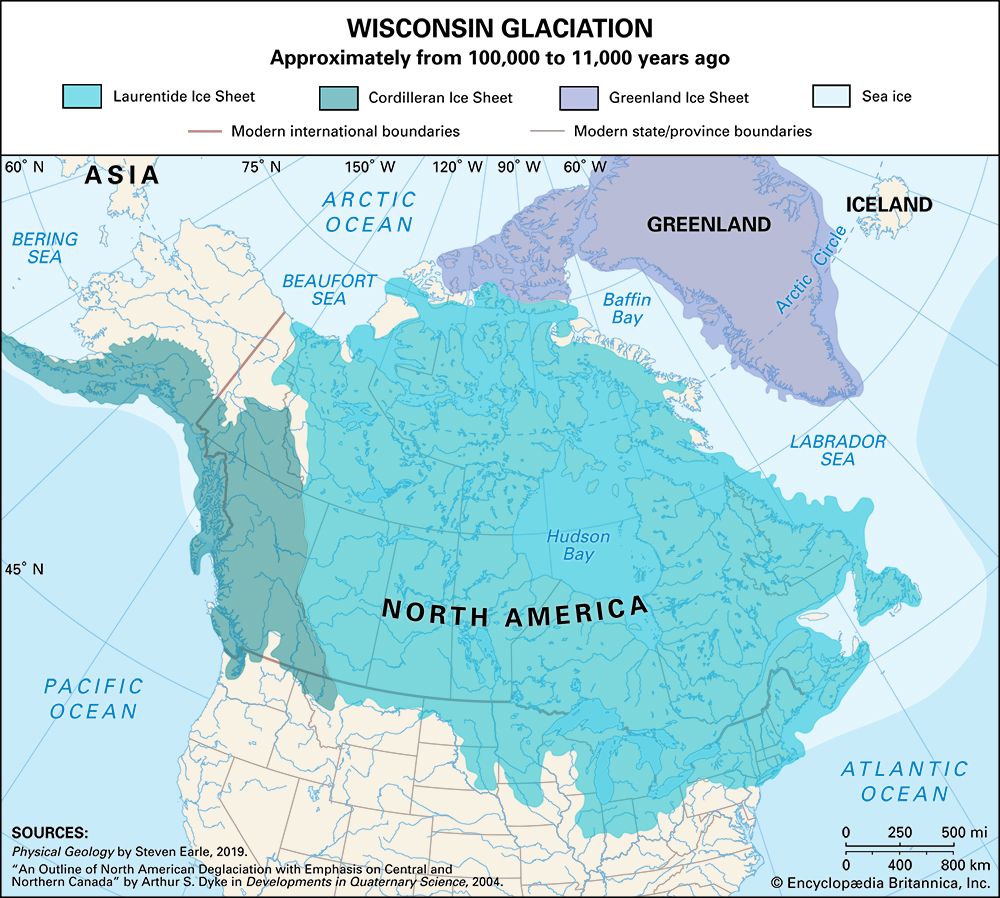
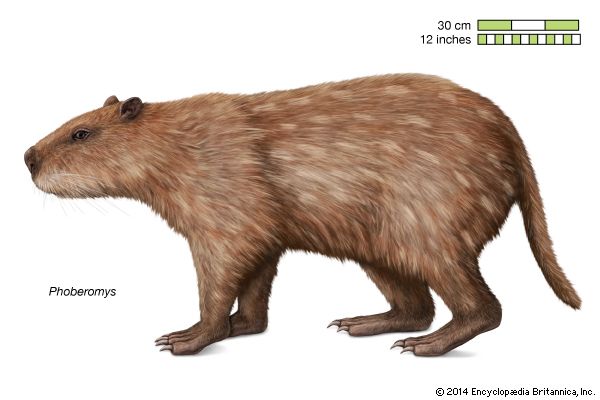
Castoroides is an extinct genus of giant beavers that lived in North America during the Pleistocene Epoch, which spanned from 2.6 million to 11,700 years ago.
What is Castoroides?
Castoroides is an extinct genus of giant beavers that lived in North America during the Pleistocene Epoch, which spanned from 2.6 million to 11,700 years ago.1
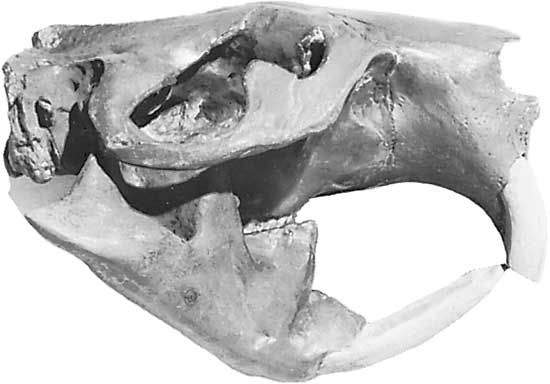
Often cited as the largest rodent to have inhabited North America, Castoroides reached lengths of approximately 2 to 2.5 meters (about 6 to 7.5 feet) and was comparable in size to a black bear. These animals possessed large skulls and strongly developed gnawing teeth. While they were amphibious, they were distinct from modern beavers (Castor); in Europe, a similar giant beaver known as Trogontherium paralleled their development.12
What other megafauna lived in North America during the Pleistocene Epoch?
The Pleistocene Epoch was a period characterized by the presence of numerous large mammals, often referred to as megafauna. North America hosted a diverse array of these creatures, many of which are now extinct.45
Notable Pleistocene Megafauna
The following list highlights some of the prominent species that inhabited North America during this time:
- Proboscideans: Both mammoths (including the imperial mammoth) and mastodons were widespread, rivaling modern elephants in size.46
- Predators: The landscape was home to formidable carnivores, such as the sabre-toothed cat, dire wolf, American lion, American cheetah, and the giant short-faced bear.4
- Herbivores: Grazers and browsers included various species of horses, camels, llamas, stag-moose, shrub oxen, woodland musk oxen, and pronghorn antelope.46
- Other Giants: In addition to the giant beaver (Castoroides), the era featured giant ground sloths.45
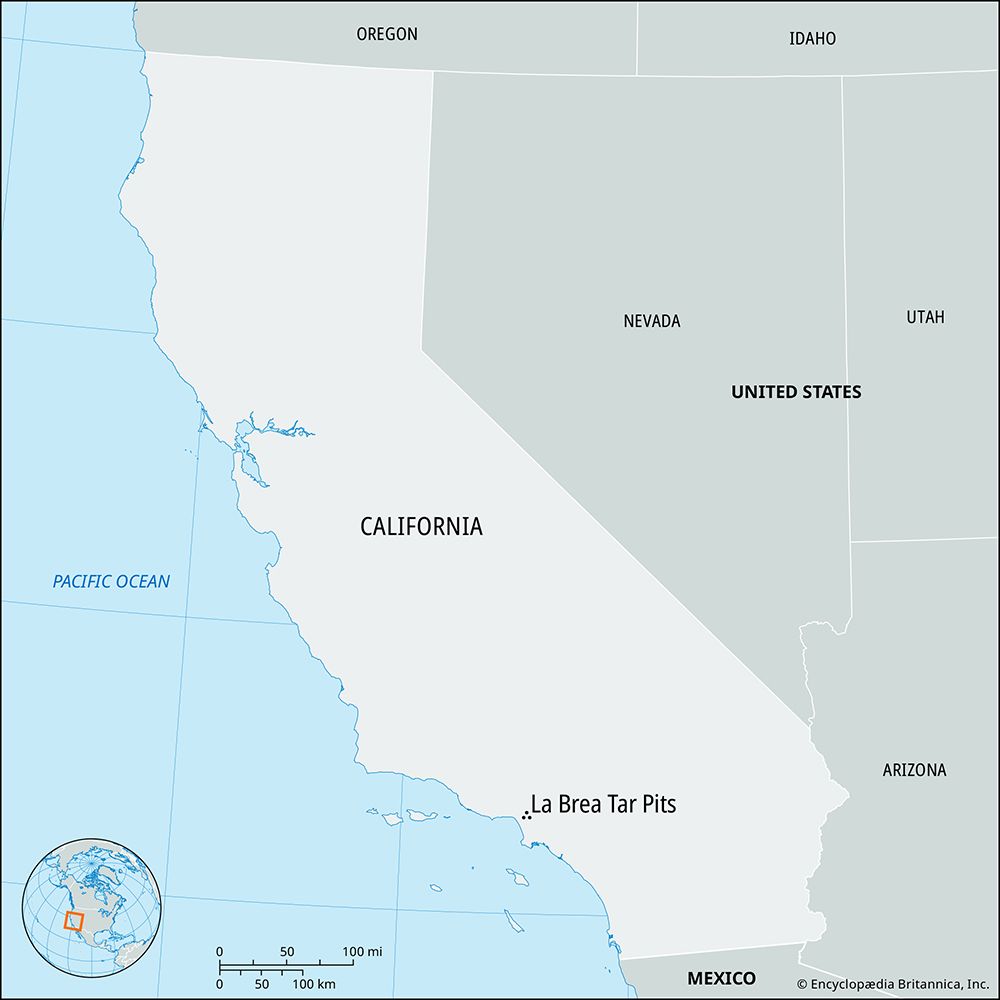
The extinction of these animals, which occurred largely around 11,000 years ago, remains a subject of significant scientific debate. Researchers often weigh the “prehistoric overkill hypothesis”—which suggests human hunting played a primary role—against theories involving abrupt climatic change and habitat loss. Many of these species are famously represented in the fossil record of the La Brea Tar Pits in Los Angeles.546
How did the physical features of Trogontherium compare to Castoroides?
Castoroides and Trogontherium were both giant, extinct forms of beavers that exhibited parallel evolutionary development in their respective regions. While Castoroides was native to North America, Trogontherium inhabited Europe.
Regarding their physical features, both genera were characterized by their significant size compared to modern beavers. Castoroides is noted for reaching lengths of approximately 2.5 meters (7.5 feet), possessing a large skull and strongly developed gnawing teeth. The available information indicates that Trogontherium served as a European parallel to the North American Castoroides, sharing similar evolutionary trends, though specific comparative measurements of their skeletal structures are not detailed in the current records.
What are some theories about why giant beavers went extinct?
The extinction of giant beavers (Castoroides) at the end of the Pleistocene Epoch is part of a broader megafaunal extinction event that saw numerous large mammal genera vanish, particularly in North America. Scientists primarily debate two main hypotheses regarding these disappearances:
- The Overkill Hypothesis: This theory suggests that the arrival of skilled human hunters, such as those associated with the Clovis complex, led to the rapid decline of large herbivores. Because these animals had not evolved to fear human predators, they were highly vulnerable to overpredation. The subsequent collapse of herbivore populations would have also negatively impacted large carnivores that relied on them for food.
- Climatic and Environmental Change: This hypothesis focuses on the abrupt transition from the last glacial period to the interglacial period. As climates became more seasonal, significant disruptions occurred in vegetation and food availability. These changes created environmental stress that likely contributed to the decline of various species.
It is widely considered that these factors were not mutually exclusive; rather, the causes of extinction likely varied by geographic region, with both human activity and climatic shifts playing roles of differing importance.
Sources
- Castoroides — Encyclopædia Britannica
- beaver — Encyclopædia Britannica
- Castoroides — Merriam-Webster
- Quaternary - Fauna and flora — Encyclopædia Britannica
- La Brea Tar Pits — Encyclopædia Britannica
- Pleistocene Epoch - Megafaunal extinctions — Encyclopædia Britannica
Published on · 3 min read