Lac Saint-Jean
The most significant geological feature associated with Lac Saint-Jean is that it occupies a large graben, which is a depressed block of the Earth's crust…
Are there any unique geological features or formations associated with Lac Saint-Jean?
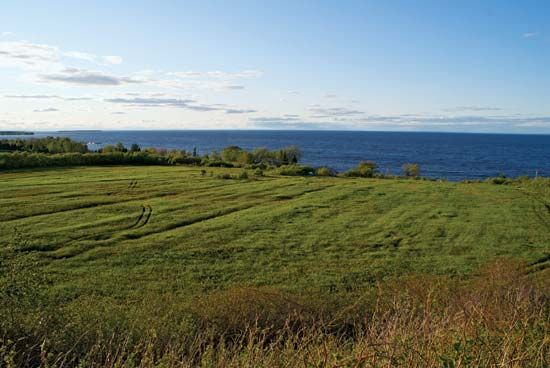
The most significant geological feature associated with Lac Saint-Jean is that it occupies a large graben, which is a depressed block of the Earth’s crust bordered by parallel faults. This downfaulted basin creates the shallow, expansive landscape of the lake, which covers approximately 387 square miles (1,003 square km) in south-central Quebec.
The lake serves as a major drainage point for a vast 30,000-square-mile area, with its waters discharging into the Saguenay River through two outlets. While the natural basin was formed by these tectonic processes, the lake’s modern hydrology has been significantly altered by human intervention, specifically the construction of the Grande and Petite Décharge hydroelectric dams in 1926, which regulate the lake’s seasonal water levels.
What are some popular recreational activities and attractions associated with Lac Saint-Jean?
Lac Saint-Jean has developed into a popular tourist resort center, offering a variety of recreational activities and attractions:
- Open-Water Swimming: The lake is home to the Traversée internationale du lac St-Jean, a prestigious 20-mile (32-km) open-water swimming race that has been held annually since 1955.1
- Fishing: The region is widely recognized for its salmon fishing, which draws many outdoor enthusiasts to the area.1
- Agritourism: The lake is famous for its blueberry industry, which serves as a significant cultural and economic attraction for visitors.1
- Regional Exploration: The lake is surrounded by several notable communities, including Alma, Roberval, Dolbeau, and Saint-Félicien, which serve as hubs for tourists exploring the region.1
The area’s natural landscape, shaped by its history as a graben, provides a unique backdrop for these activities. While the lake itself is a primary destination, the surrounding region is also known for its historical ties to the fur trade and its development as a major agricultural and industrial center in Quebec.1
How does the size of Lac Saint-Jean compare to other lakes in Quebec and Canada?
Lac Saint-Jean is a significant but relatively modest-sized lake compared to the largest bodies of water in Canada. It covers an area of approximately 387 to 414 square miles (1,003 to 1,072 square km).15
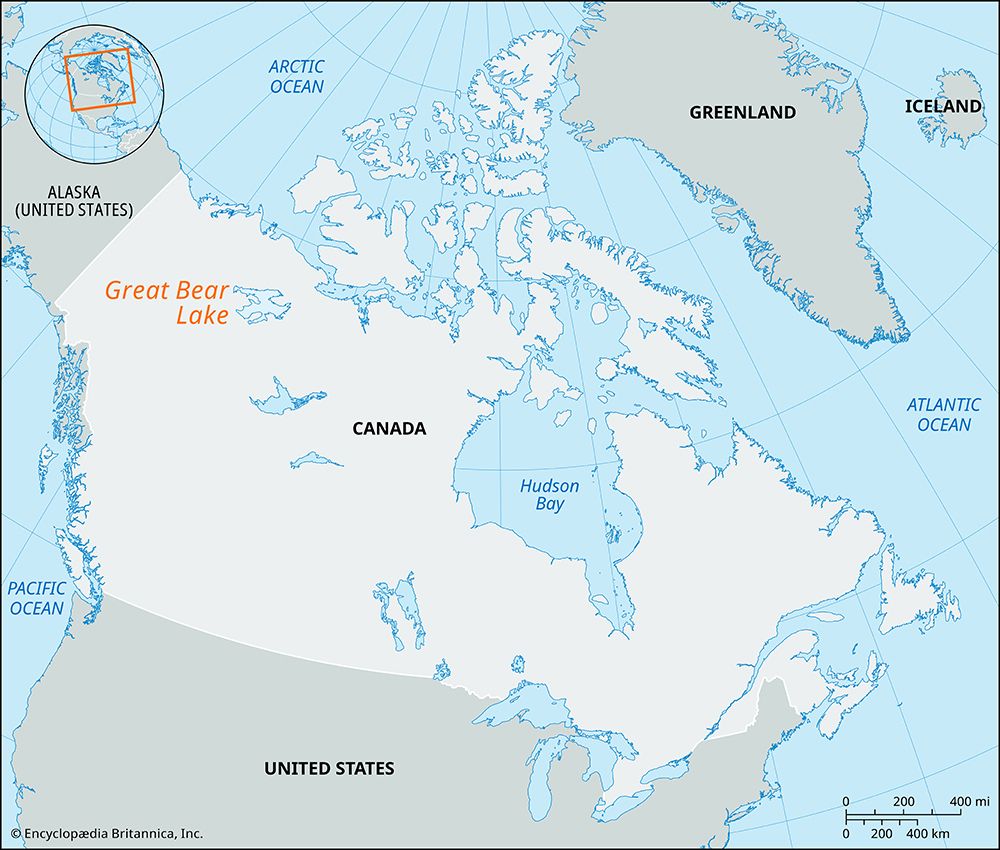
In the context of Quebec, Lac Saint-Jean is notably smaller than Mistassini Lake, which is the largest lake in the province, spanning 902 square miles (2,335 square km). When compared to the largest lakes in Canada, such as Great Bear Lake (12,096 square miles) or Great Slave Lake (11,030 square miles), Lac Saint-Jean is significantly smaller and does not rank among the nation’s largest freshwater bodies.62
While Quebec’s landscape is defined by thousands of lakes—collectively accounting for about 71,000 square miles of freshwater—Lac Saint-Jean remains a prominent regional feature due to its unique graben formation and its historical importance to the province’s agricultural and industrial development.17
What are the major rivers that feed into and drain from Lac Saint-Jean?
Lac Saint-Jean serves as a central hub for water drainage in its region of Quebec. The lake receives water from several major feeder streams, including the Péribonca, Mistassini, Chamouchouane, and Ouiatchouane rivers.
The lake discharges its water through two outlets, known as the Grande and Petite Décharge, which are controlled by hydroelectric dams. These outlets feed into the Saguenay River, which subsequently flows east-southeast to join the St. Lawrence River at Tadoussac.12
Sources
- Lac Saint-Jean — Encyclopædia Britannica
- Saint-Jean, Lake — Merriam-Webster
- Saguenay River — Encyclopædia Britannica
- Quebec - The contemporary city — Encyclopædia Britannica
- Mistassini Lake — Encyclopædia Britannica
- Quebec - Relief, drainage, and soils — Encyclopædia Britannica
- world’s largest lakes — Encyclopædia Britannica
- Areas and Volumes of the Great Lakes — Encyclopædia Britannica
- St. Lawrence River - Physiography — Encyclopædia Britannica
Published on · 2 min read