Great Slave Lake
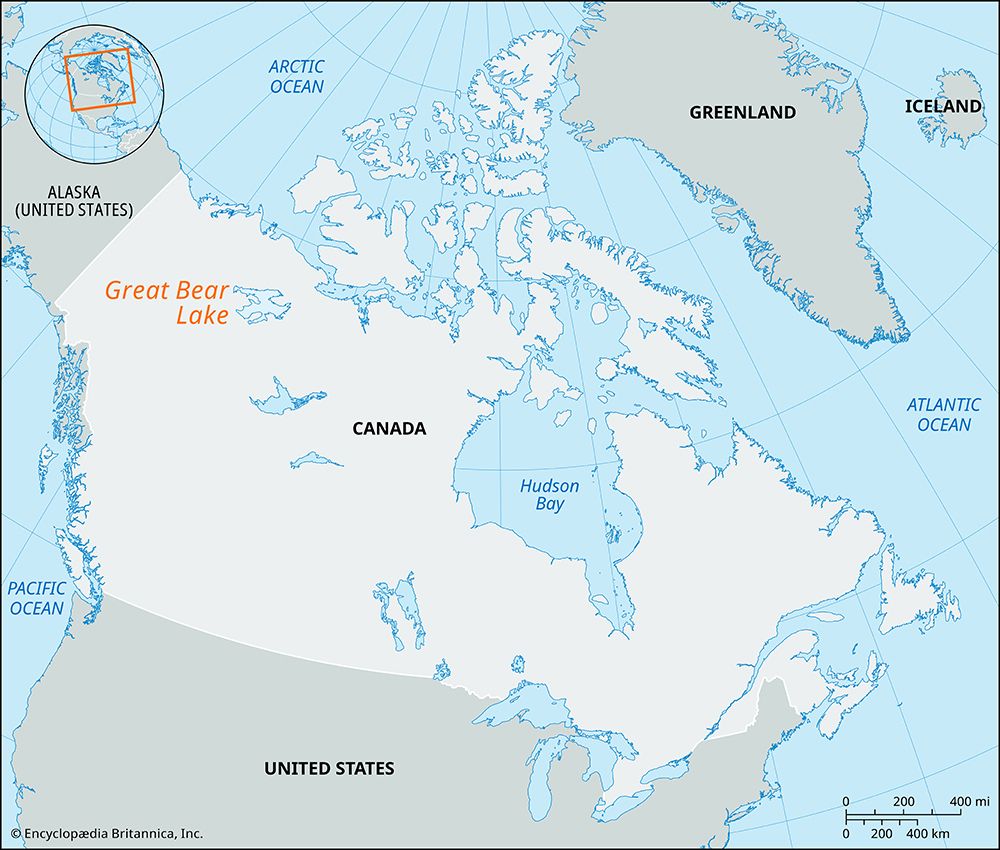
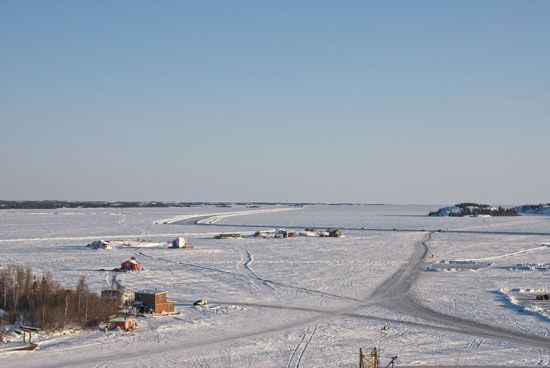
Great Slave Lake, located in Canada's Northwest Territories, is a significant body of water within the Mackenzie River waterway system.
What are the major rivers that flow into and out of Great Slave Lake?
Great Slave Lake, located in Canada’s Northwest Territories, is a significant body of water within the Mackenzie River waterway system.1
The lake’s primary inflow and outflow are as follows:
- Inflow: The Slave River is the most important river feeding the lake, entering from the south.12
- Outflow: The lake is drained to the west by the Mackenzie River, which eventually flows into the Arctic Ocean.12
What is the origin of the name ‘Great Slave Lake’?
The name “Great Slave Lake” is not derived from the institution of slavery. Instead, the lake was named for the Slave (or Slavey) people, an Athabaskan-speaking Indigenous group who historically inhabited the region.2
How was Great Slave Lake formed, and what is its geological history?
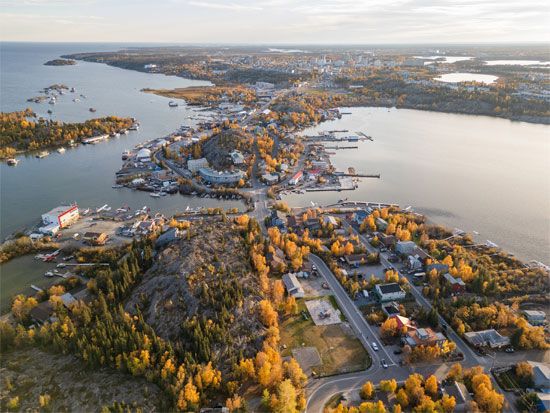
Great Slave Lake is a relic of a much larger, ancient glacial lake, formed primarily through the processes of glaciation during the Pleistocene Epoch (approximately 2.6 million to 11,700 years ago).14
During this period, massive continental glaciers covered much of northern North America, acting as a powerful geological force. As these glaciers moved, they scoured the land, deepening existing basins and blocking natural drainage paths that would otherwise lead to the Beaufort Sea or Hudson Bay.14
The lake occupies a basin within the Canadian Shield, a region characterized by ancient Precambrian crystalline rocks. As the ice sheets retreated, the basins they had carved were filled with meltwater, creating vast glacial lakes. Great Slave Lake, along with other northern bodies of water like Great Bear Lake and Lake Athabasca, remains as a smaller, remnant feature of these once-immense glacial systems.41
What types of fish can be found in Great Slave Lake, and how important is fishing to the local economy?
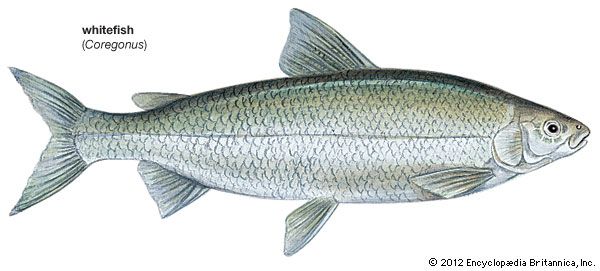
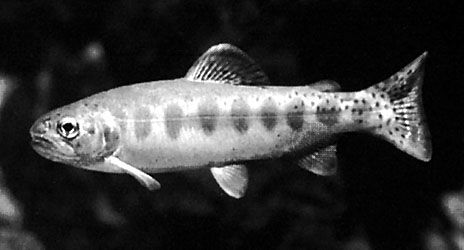
Great Slave Lake supports a long-standing commercial fishing sector, primarily targeting trout and whitefish. These fish are harvested during both summer and winter seasons and are transported to urban markets in Canada and the United States. To ensure the sustainability of these populations, the catch is strictly managed through seasonal quotas.16
Regarding the regional economy, while fishing has historically been a foundational activity centered at the village of Hay River, it is not the sole driver of the economy. The region has relied more heavily on mining, which transitioned from gold and other ores to diamonds in the 1990s. Additionally, the local economy has been supported by trapping and a growing tourism industry.1
Sources
- Great Slave Lake — Encyclopædia Britannica
- Great Slave Lake — Merriam-Webster
- Slave — Merriam-Webster
- North America - Lakes of North America — Encyclopædia Britannica
- Canadian Shield — Encyclopædia Britannica
- Nunavut - Fishing and hunting — Encyclopædia Britannica
- Great Lakes - Fishing and recreation — Encyclopædia Britannica
- Mackenzie River - People and economy — Encyclopædia Britannica
Published on · 2 min read