Great Bear Lake
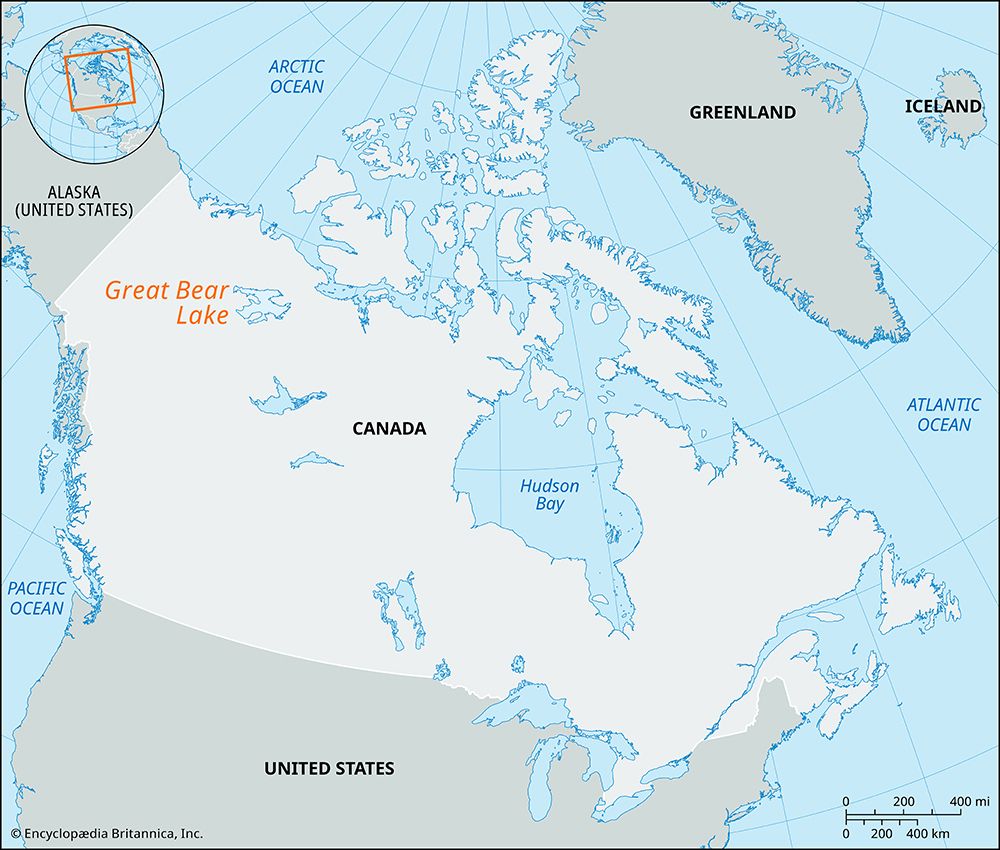
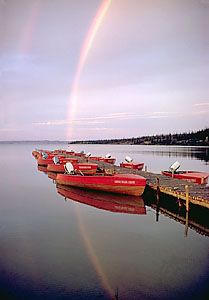
Great Bear Lake, located in the Northwest Territories of Canada, is characterized by its irregular shape and the presence of many small islands throughout…
Are there any significant islands within Great Bear Lake, and what are their characteristics?
Great Bear Lake, located in the Northwest Territories of Canada, is characterized by its irregular shape and the presence of many small islands throughout its expanse.1
While the lake is vast—spanning approximately 12,096 square miles—the available information does not provide specific names or detailed individual characteristics for these islands, noting only their existence as a feature of the lake’s geography. The lake itself is known for its cold, clear waters and its status as the largest lake situated entirely within Canadian borders.1
What kinds of wildlife and plant species can be found in and around Great Bear Lake?
Great Bear Lake, situated in the Northwest Territories of Canada, is home to a variety of wildlife and is surrounded by the northern reaches of the boreal forest.
Wildlife
The lake is well-known for its cold, clear waters that support diverse fish populations, most notably the speckled trout. The region is also named for the bears that inhabit its shores. In the broader surrounding boreal forest, common animal species include:1
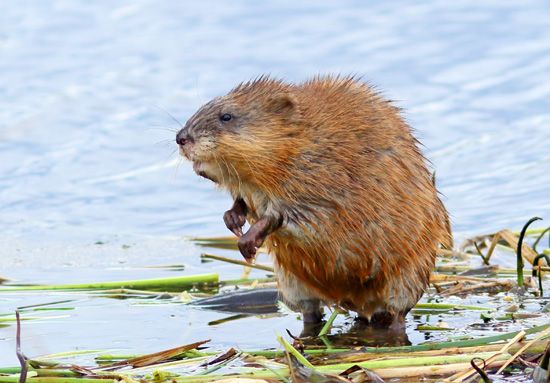
- Mammals: Caribou herds, timber wolves, moose, elk, and deer. Fur-bearing animals such as beavers, martens, mink, muskrats, and squirrels are also present.2
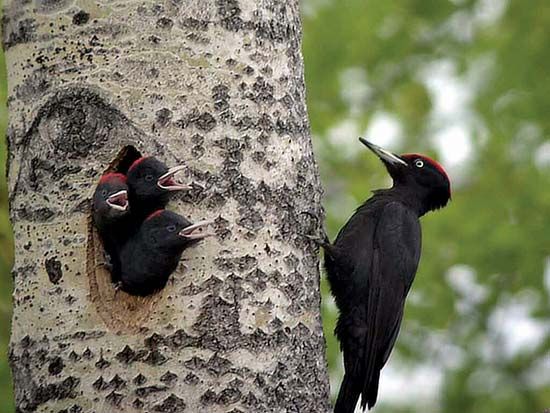
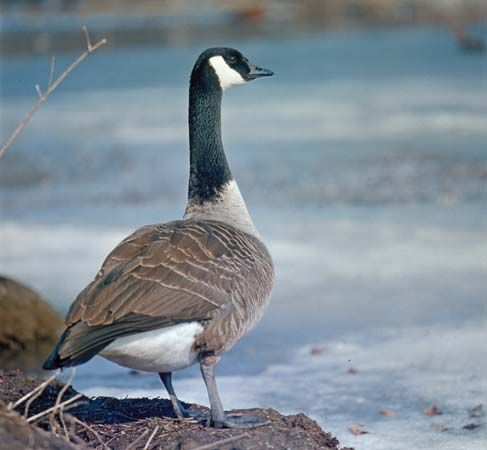
- Birds: The area hosts a large bird population, including year-round residents like owls, ravens, and woodpeckers, as well as migratory species such as Canada geese, mallard ducks, and loons.2
Plant Life
The landscape around the lake is dominated by the boreal forest, which features dense stands of conifers. Key plant species include:
- Conifers: Spruce (particularly white spruce) and balsam fir are dominant, with various pine species also present.2
- Deciduous Trees: White birch and aspen are commonly interspersed among the conifers.2
What role did Great Bear Lake play in the history of exploration and development in Northern Canada?
Great Bear Lake has played a significant role in the history of Northern Canada, serving as a focal point for both early exploration and later industrial development.
Early Exploration and Trade
The lake was discovered by North West Company traders before 1800, during an era when the fur trade was the primary driver of European activity in the region. The lake’s geography, specifically the 70-mile-long Great Bear River, provided a vital transportation link that connected the lake to the Mackenzie River, facilitating movement through the northern wilderness during the ice-free months.1
Industrial Development
In the 20th century, the focus shifted from the fur trade to resource extraction. The region around Great Bear Lake became a site of major industrial activity in the 1930s with the establishment of mining operations at Port Radium. Initially, these mines were developed to produce radium, but they later became critical for the production of uranium during and after World War II. These activities were part of a broader trend in the Northwest Territories where mining eventually replaced the fur trade as the most significant industry in the Mackenzie District.56
How does Great Bear Lake compare in size to other large lakes in North America?
With a surface area of 12,096 square miles (31,328 square km), Great Bear Lake holds the distinction of being the largest lake located entirely within Canada.1
When compared to other major water bodies in North America, it ranks as the fourth-largest lake on the continent, trailing only Lake Superior, Lake Michigan, and Lake Huron. While the Great Lakes system collectively represents the largest surface of fresh water in the world, Great Bear Lake remains a significant geographical feature of the North, surpassing other notable Canadian lakes such as Great Slave Lake, Lake Winnipeg, and Lake Athabasca in total surface area.189
Sources
- Great Bear Lake — Encyclopædia Britannica
- Great Bear Lake — Merriam-Webster
- North America - The boreal forest — Encyclopædia Britannica
- Nunavut - Plant and animal life — Encyclopædia Britannica
- Northwest Territories - History of the Northwest Territories — Encyclopædia Britannica
- Northwest Territories - Resources and power — Encyclopædia Britannica
- Beaver — Encyclopædia Britannica
- world’s largest lakes — Encyclopædia Britannica
- Areas and Volumes of the Great Lakes — Encyclopædia Britannica
Published on · 3 min read