Lake Athabasca
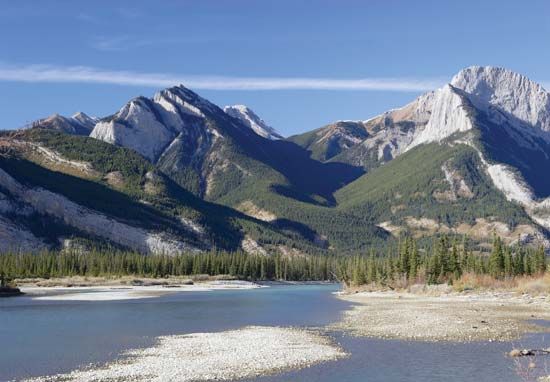
Lake Athabasca, which spans the border of Alberta and Saskatchewan, covers an area of approximately 7,936 square kilometers (3,064 square miles). While it is…
How does Lake Athabasca compare in size to other major lakes in Canada?
Lake Athabasca, which spans the border of Alberta and Saskatchewan, covers an area of approximately 7,936 square kilometers (3,064 square miles). While it is a significant body of water, it ranks behind several other major Canadian lakes in terms of surface area.123
In the context of global and national rankings, Lake Athabasca is smaller than the following major Canadian lakes:
- Great Bear Lake: 31,328 square km2
- Great Slave Lake: 28,568 square km2
- Lake Winnipeg: 24,387 square km2
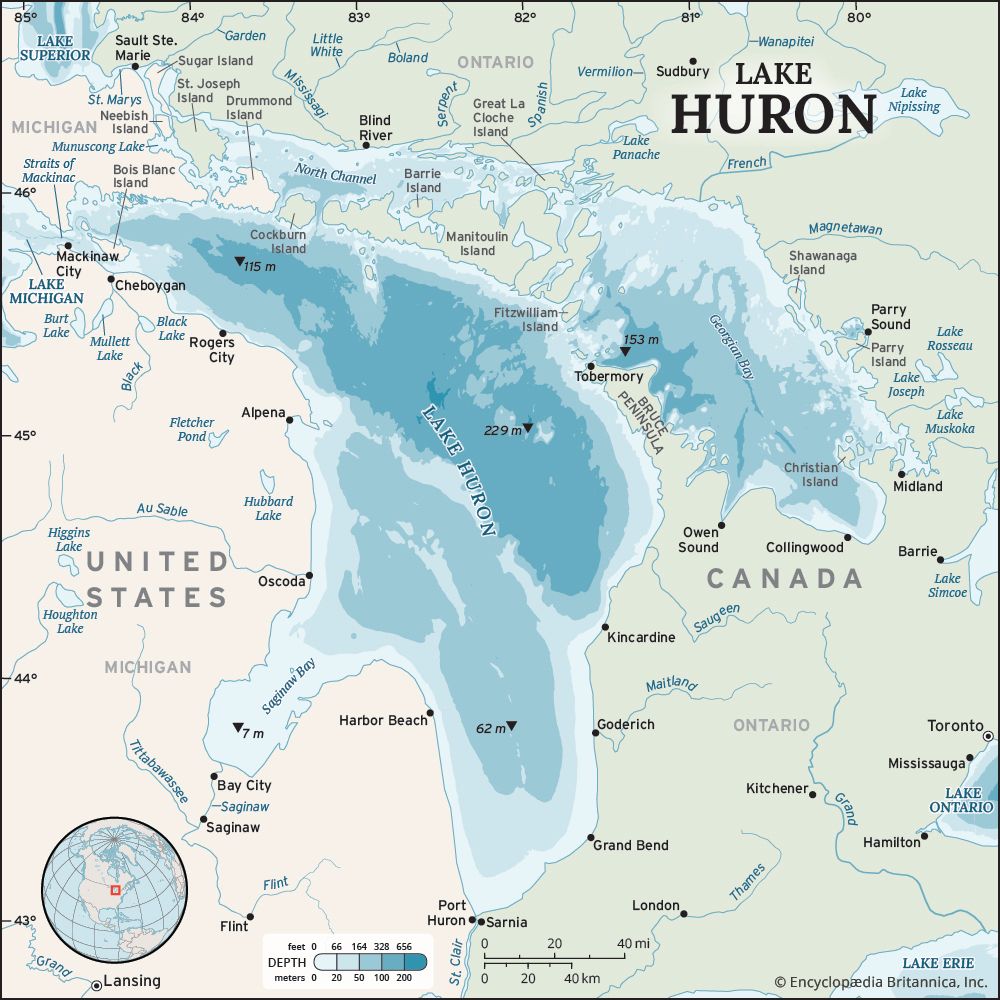
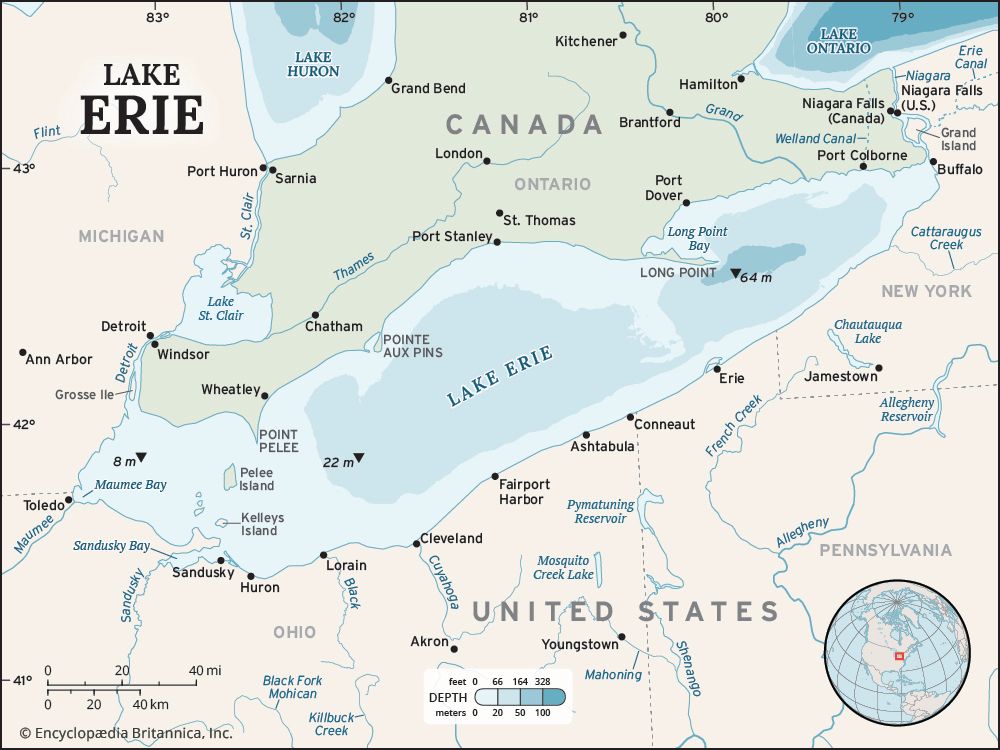
- The Great Lakes: Lakes Superior, Huron, Erie, and Ontario all exceed the surface area of Lake Athabasca.24
While Lake Athabasca is among the larger lakes globally—appearing as the 20th largest lake in world rankings—it remains significantly smaller than the massive freshwater systems found in the Great Lakes region and the Northwest Territories.23
How has Lake Athabasca been historically important to Indigenous peoples in the region?
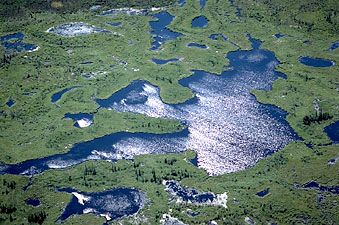
Lake Athabasca has held long-standing significance for Indigenous peoples, who have inhabited the region for thousands of years. The name “Athabasca” itself is derived from a Cree term, which is widely believed to mean “where there are reeds”.16
Historically, the lake became a focal point for the fur trade in the late 18th century. In 1788, the North West Company established Fort Chipewyan on the lake’s southwestern shore. This post served as a critical hub where European traders interacted with local Indigenous groups, who were essential partners in the regional economy.61
While the fur trade brought new economic dynamics, the arrival of Europeans also introduced significant hardships for Indigenous populations, including the spread of diseases and the depletion of resources like the buffalo, which were vital to their traditional livelihoods. Over time, the signing of treaties led to the relocation of many First Nations people to reserves. Today, the lake remains an important site for commercial fishing, particularly for whitefish and lake trout.16
What role does Lake Athabasca play in Canada’s freshwater system?
Lake Athabasca serves as a vital component of the Mackenzie River system, which is the largest drainage basin in Canada.1
The lake functions as a major hydrological link in this vast network. It is fed from the southwest by the Peace River and the Athabasca River, both of which provide significant inflow to the lake. From there, the water is drained to the northwest via the Slave River. This flow eventually reaches the Arctic Ocean after passing through Great Slave Lake and continuing along the Mackenzie River.81
By acting as a collection point for these major northern rivers, Lake Athabasca plays a key role in the movement of freshwater across the Canadian north toward the Arctic. Its position within this system makes it an integral part of the geography of the region, connecting the forested plains of Alberta and Saskatchewan to the broader northern drainage pattern.81
What is the origin of the name ‘Athabasca’ for this lake?
The name “Athabasca” is derived from a Cree term, which is widely interpreted as meaning “where there are reeds” or, more specifically, “where there are reeds one after another.”111
While the lake was initially named “Lake of the Hills” by explorer Samuel Hearne in 1771, the name “Athabasca” was later adopted by the North West Company. This adoption occurred when the company established Fort Chipewyan on the lake’s southwestern shore in 1788.1
The term is also linguistically significant as the namesake for the Athabaskan language family, a major group of Indigenous languages spoken across parts of North America.112
Sources
- Lake Athabasca — Encyclopædia Britannica
- Athabasca, Lake — Merriam-Webster
- world’s largest lakes — Encyclopædia Britannica
- Areas and Volumes of the Great Lakes — Encyclopædia Britannica
- Canada - Drainage of Canada — Encyclopædia Britannica
- Alberta - History of Alberta — Encyclopædia Britannica
- Manitoba - The fur trade era — Encyclopædia Britannica
- Mackenzie River — Encyclopædia Britannica
- Athabasca River — Encyclopædia Britannica
- Peace River — Encyclopædia Britannica
- Athabascan — Merriam-Webster
- Athabasca — Merriam-Webster
- Athabaskan language family — Encyclopædia Britannica
Published on · 3 min read