Lake Lucerne
Lake Lucerne serves as a vital pillar for both the tourism industry and the regional economy of central Switzerland. Its exceptional scenic beauty…
How does Lake Lucerne contribute to Switzerland’s tourism and economy?
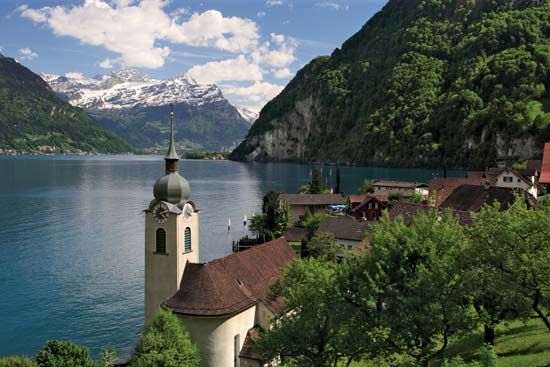
Lake Lucerne serves as a vital pillar for both the tourism industry and the regional economy of central Switzerland. Its exceptional scenic beauty, characterized by its location between steep limestone mountains, makes it a premier destination for visitors.12
Tourism Contributions
The lake acts as a central hub for tourism in the region, particularly for the city of Lucerne, which lies at its western end. Key tourism features include:
- Transportation: Summer lake steamers provide essential transport for large numbers of tourists, connecting the city to various mountain railways and cableways.34
- Recreational Activities: The lake and its surroundings support diverse leisure activities, including rowing and sailing regattas, beaches, and access to nearby winter-sports centers like Engelberg.3
- Cultural Landmarks: The lakefront is home to significant cultural sites, such as the Culture and Convention Centre, and is surrounded by historical sites associated with the founding of the Swiss Confederation.31
Economic Impact
Lucerne’s commercial and industrial activities are heavily dependent on the tourist trade. The broader Swiss economy relies on such scenic assets to maintain a high standard of living, as the tourism sector—supported by the hospitality industry—is a critical component of the nation’s service-oriented economy.32
How has Lake Lucerne influenced Swiss history and culture over the centuries?
Lake Lucerne has played a foundational role in Swiss history and culture, serving as the heart of the original Swiss Confederation. Its shores are deeply intertwined with the nation’s identity and its struggle for independence.2
Historical Significance
- Birth of the Confederation: The lake is situated at the center of the first four cantons—Uri, Schwyz, Unterwalden, and Lucerne—that formed the early Swiss Confederation. The meadow of Rütli, located on the lake’s west bank, is traditionally celebrated as the site where the founders of the confederation met to pledge their alliance.21
- Legendary Patriotism: The region is home to the enduring legends of William Tell. Sites such as the Chapel of Tell and the Hollow Way (Hohle Gasse) are associated with his defiance against the bailiff Gessler, symbolizing the Swiss spirit of resistance against foreign interference.21
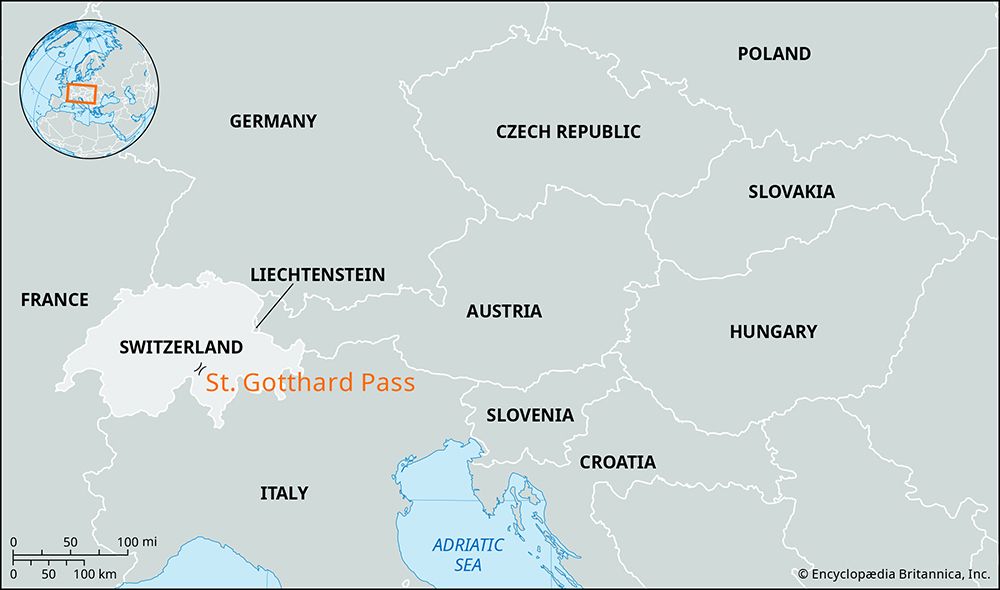
- Strategic Importance: The lake provided a vital link in the region’s geography, facilitating trade and movement toward the St. Gotthard Pass, which became a crucial commercial artery between northern Europe and Italy.51
Cultural Legacy
The lake has shaped the cultural landscape of the surrounding region, influencing everything from local governance to the arts. The city of Lucerne itself grew from an 8th-century monastery and evolved into a center of political and religious influence, serving as the leader of the Catholic cantons during the Reformation. Today, the lake remains a symbol of Swiss heritage, hosting cultural landmarks like the Culture and Convention Centre and the Richard Wagner Museum, which reflect the area’s long-standing appeal to artists and thinkers.5
What role did Lake Lucerne play in the formation of the Swiss Confederation?
Lake Lucerne is deeply embedded in the history of the Swiss Confederation, serving as the geographic heart of the original “forest cantons” (Waldstätte): Uri, Schwyz, and Unterwalden.25
Historical Associations
- Founding Legends: The lake’s shores are central to Swiss national identity. The meadow of Rütli, located on the western bank, is traditionally celebrated as the site where the founders of the Confederation met to pledge their alliance.25
- William Tell: The region is famously linked to the legend of William Tell. Sites such as the Chapel of Tell on the eastern shore of Lake Uri and the Hohle Gasse (Hollow Way) near Lake Küssnacht are associated with his resistance against the bailiff Gessler, symbolizing the Swiss struggle for independence.25
- Strategic Importance: The area around the lake was vital for controlling access to the St. Gotthard Pass. By securing this route, the forest cantons maintained their autonomy and strategic importance within the Holy Roman Empire, eventually leading to the formalization of their alliance in the 1291 pact, which is now celebrated as the birth of the nation.25
What are the major towns and attractions surrounding Lake Lucerne?
Lake Lucerne, located in central Switzerland, is surrounded by a region rich in history and natural beauty. The area is defined by its picturesque lakeside towns and significant cultural landmarks.
Major Towns and Lakeside Locations
- Lucerne: The principal town and cantonal capital, situated at the lake’s western end. It is a major tourist destination known for its well-preserved medieval architecture, including the 14th-century Musegg town walls and watchtowers.21
- Brunnen: Located where the lake’s basins meet, this town is historically significant as the site where the Everlasting League was formed in 1315.2
- Flüelen: Situated at the southeastern end of the lake, near where the Reuss River enters the water.2
Key Attractions
- Kapellbrücke (Chapel Bridge): A famous covered wooden bridge in Lucerne, originally built in 1333. It is a top tourist attraction, known for its internal gable paintings and the adjacent Wasserturm (Water Tower).17
- Historical Sites: The region features the William Tell Chapel and the meadow of Rütli, both central to Swiss national identity.2
- Natural Landmarks: The lake is framed by prominent mountains, including Mount Rigi and Mount Pilatus, which offer scenic views and access to the surrounding landscape.2
- Cultural Institutions: The Culture and Convention Centre in Lucerne and the Richard Wagner Museum are notable cultural highlights.1
Sources
- Lucerne — Encyclopædia Britannica
- Lake Lucerne — Encyclopædia Britannica
- Switzerland - Economy — Encyclopædia Britannica
- Switzerland - Urban settlements — Encyclopædia Britannica
- Switzerland - The foundation of the confederation — Encyclopædia Britannica
- Lucerne — Encyclopædia Britannica
- Kapellbrücke — Encyclopædia Britannica
Published on · 4 min read