Yellowstone Lake
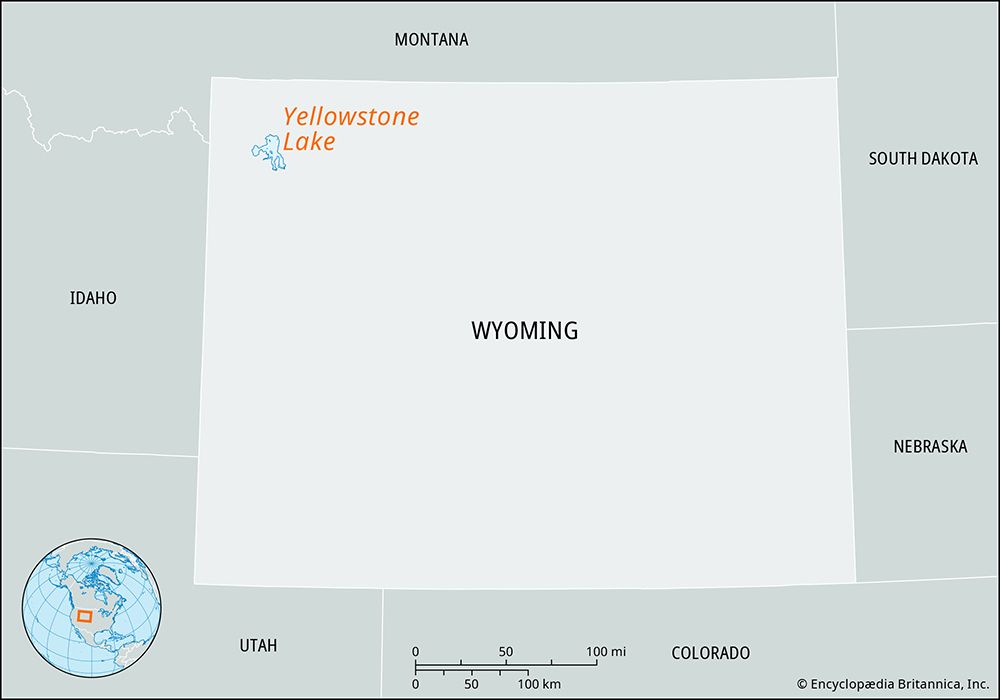
Yellowstone Lake serves as a central hub within the extensive drainage system of Yellowstone National Park. As the park's largest body of water, it acts as a…
How does Yellowstone Lake contribute to the overall water system of Yellowstone National Park?
Yellowstone Lake serves as a central hub within the extensive drainage system of Yellowstone National Park. As the park’s largest body of water, it acts as a major collection point for the Yellowstone River, which enters the lake from the southeast and drains it at the northern end.12
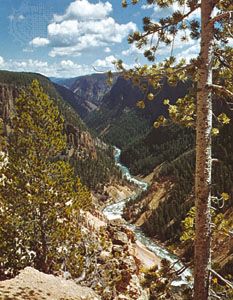
Beyond the river’s flow, the lake is fed by approximately six dozen streams and rivers, as well as hydrothermal input from vents along the lake floor and the West Thumb Geyser Basin. By integrating these various water sources, the lake plays a critical role in regulating the flow of the Yellowstone River as it continues northward through the park, eventually carving the Grand Canyon of the Yellowstone and exiting toward Montana.123
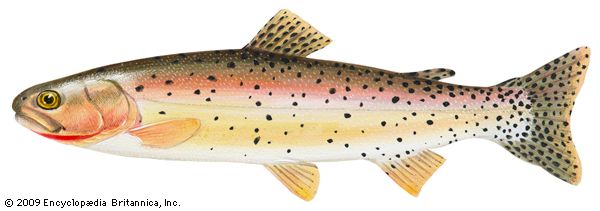
The lake also supports a diverse ecosystem, providing a vital habitat for various aquatic birds and fish species, though it faces ongoing challenges regarding the preservation of native cutthroat trout.1
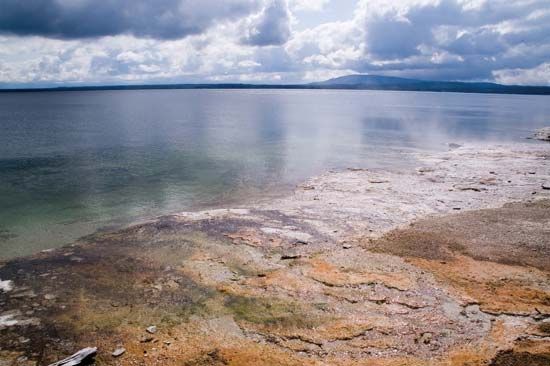
What are some of the hydrothermal features found in and around Yellowstone Lake?
Hydrothermal activity is a defining characteristic of the Yellowstone region, and Yellowstone Lake is no exception. While the lake’s water remains cold year-round, its basin is significantly influenced by geothermal processes occurring both along its shoreline and beneath its surface.2
Hydrothermal Features in the Lake Area
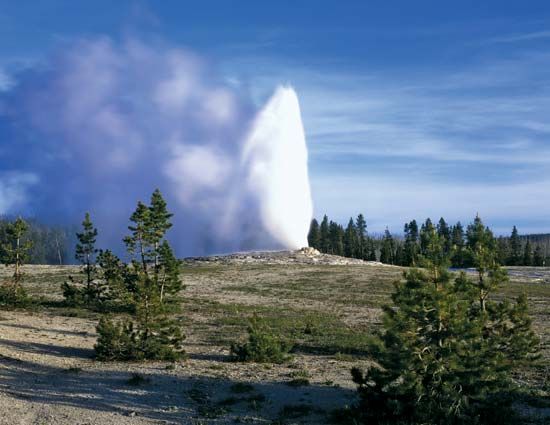
- West Thumb Geyser Basin: Located on the western shore of the lake, this area is a prominent hydrothermal site featuring a variety of hot springs, fumaroles, and mud pots. It was the first of the park’s hydrothermal areas to be documented in print.42
- Submerged Vents: In addition to surface features, hot water flows into the lake from vents located along the lake floor. These underwater features are part of the broader hydrothermal system driven by the region’s volcanic activity.2
These features are sustained by the park’s deeply fractured crust, which allows groundwater to descend, interact with underlying magma, and return to the surface as superheated, mineral-rich water. The presence of these features is a direct result of the lake’s location within the Yellowstone Caldera, where ongoing geological processes continue to shape the landscape.421
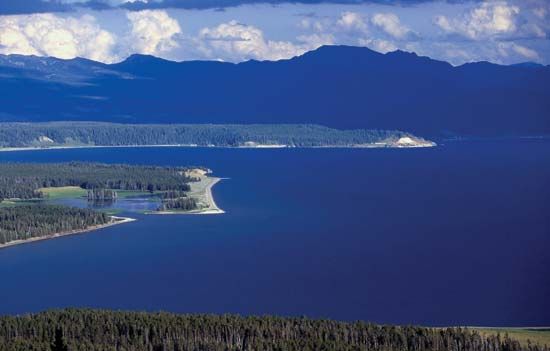
What role does Yellowstone Lake play in the park’s geothermal activity and potential volcanic hazards?
Yellowstone Lake is deeply integrated into the volcanic and hydrothermal framework of Yellowstone National Park. The northern two-thirds of the lake sit directly within the Yellowstone Caldera, a massive volcanic crater formed by a cataclysmic eruption approximately 640,000 years ago.512
Geothermal and Volcanic Context
- Hydrothermal Influence: While the lake water remains cold, the basin is geothermally active. Hot water enters the lake from vents on the lake floor and from the West Thumb Geyser Basin, a feature created by a smaller volcanic eruption about 150,000 years ago.51
- Magma Domes: The lake’s surroundings are influenced by two resurgent magma domes—one located just north and the other just west of the lake. These domes are evidence of the ongoing volcanic processes beneath the caldera.52
- Seismic Activity: The region is highly active seismically, with numerous small earthquakes occurring annually. These tremors are linked to the park’s volcanic history and help maintain the fissures that feed the park’s extensive hydrothermal features.62
How has the fish population in Yellowstone Lake changed over time, especially with the introduction of non-native species?
The fish population in Yellowstone Lake has undergone significant changes due to human intervention and the introduction of non-native species. Historically, the lake supported a robust population of native cutthroat trout, which served as a vital component of the ecosystem.17
For several decades, park waterways were actively stocked with both indigenous species—such as cutthroat trout, Arctic grayling, and Rocky Mountain whitefish—and various non-native trout species. This practice was discontinued in the 1950s as the ecological impacts became better understood.7
Currently, the native cutthroat trout population is considered endangered, primarily due to the introduction of predatory non-native lake trout. To protect the remaining native stocks, park officials have implemented stringent management strategies, including a mandatory catch-and-release policy for native species and the prohibition of fishing from the popular Fishing Bridge. These measures are essential to preserving the ecological integrity of the lake’s aquatic life.17
Sources
- Yellowstone Lake — Encyclopædia Britannica
- Yellowstone National Park - Physical features — Encyclopædia Britannica
- Yellowstone River — Encyclopædia Britannica
- volcano - Hot springs and geysers — Encyclopædia Britannica
- Yellowstone Caldera — Encyclopædia Britannica
- Yellowstone National Park - Geology — Encyclopædia Britannica
- Yellowstone trout — Merriam-Webster
- Yellowstone National Park - Plant and animal life — Encyclopædia Britannica
Published on · 3 min read