Lake Ngami
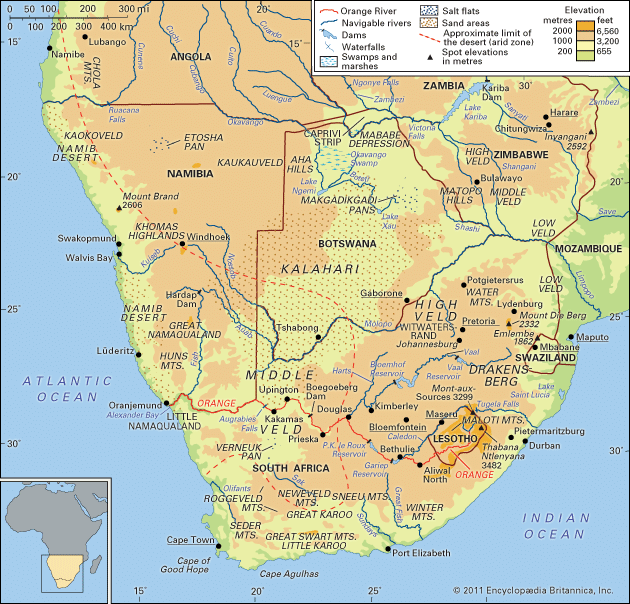
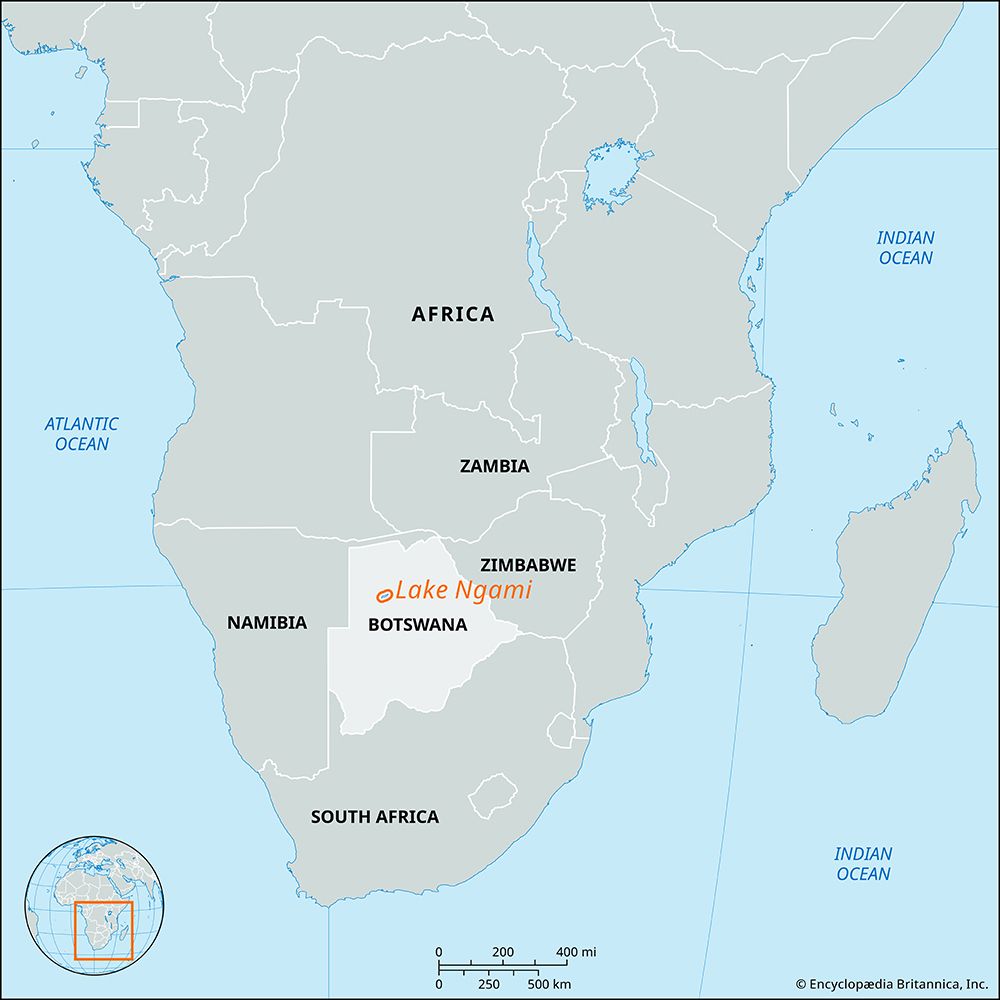
Lake Ngami is situated at the southwestern corner of the Okavango Delta (or Okavango Swamp) in Botswana. The delta system is fed by the Okavango River, which…
How does Lake Ngami connect to the Okavango Delta system?
Lake Ngami is situated at the southwestern corner of the Okavango Delta (or Okavango Swamp) in Botswana. The delta system is fed by the Okavango River, which originates in the highlands of Angola.
The connection between the two is primarily driven by seasonal flooding. During periods of heavy rainfall in Angola, the excess water flows into the Okavango swamps and overflows, eventually reaching and filling Lake Ngami. The lake acts as a terminal basin with no natural outlet; if it were to fill completely, any excess water would be deflected into the Boteti River and directed toward the Makgadikgadi Pans.12
However, the flow of water into the western side of the marshes has decreased significantly over the 20th century, causing the lake to be highly ephemeral and prone to drying out completely during droughts.13
What is the origin of the name ‘Lake Ngami’?
The provided search results do not contain information regarding the etymological origin or the specific linguistic source of the name “Lake Ngami.” While the records confirm its geographical location and historical significance, they do not explain how the name itself was derived.41
What is the historical significance of Lake Ngami in the exploration of Africa?
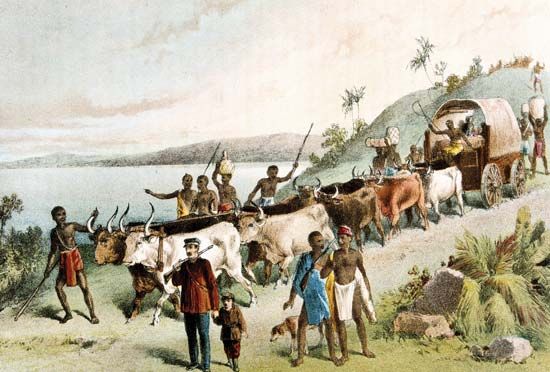
Lake Ngami holds significant historical importance as a milestone in 19th-century European exploration of the African interior. Its primary historical recognition stems from the first European sighting of the lake by the Scottish missionary-explorer David Livingstone on August 1, 1849.15
This achievement was a pivotal moment in Livingstone’s career, earning him a gold medal and a monetary prize from the British Royal Geographical Society. The discovery served as a catalyst for his lifelong association with the society, which subsequently supported his extensive travels across the continent.5
Beyond the discovery itself, Lake Ngami acted as a gateway for Livingstone’s deeper penetration into the African interior. By crossing the Kalahari to reach the lake, Livingstone gained critical knowledge of local languages and cultures, which facilitated his later, more ambitious expeditions to locate the Zambezi River and investigate the complex drainage systems of southern and central Africa. Consequently, the lake is remembered as a key landmark that helped shift European understanding of the continent’s geography during the era of exploration.56
What role does Lake Ngami play in the local ecosystem and economy of Botswana?
Lake Ngami serves as a vital, albeit fluctuating, resource within the Okavango Swamp region of northwestern Botswana. Its role in the local ecosystem and economy is defined by its sensitivity to environmental changes.1
Ecological Significance
The lake functions as a critical habitat for diverse wildlife. It is particularly noted for its rich birdlife and its population of barbel fish. These fish possess a unique biological adaptation that allows them to survive in mud for months during periods when the lake dries up, ensuring the continuity of the aquatic population despite the region’s volatile water levels.1
Economic Importance
The local economy is heavily tied to the lake’s water availability, primarily through cattle farming. The lake acts as a primary water source for thousands of livestock belonging to local inhabitants. Historically, the lake’s tendency to shrink or dry up completely—such as during the severe drought of 1965–66—has caused significant economic hardship for the community, highlighting the region’s deep dependence on this shallow water body for agricultural stability.1
Sources
- Lake Ngami — Encyclopædia Britannica
- Botswana - Drainage — Encyclopædia Britannica
- Kalahari Desert - Drainage — Encyclopædia Britannica
- Ngami, Lake — Merriam-Webster
- David Livingstone - Initial explorations — Encyclopædia Britannica
- European exploration - Africa — Encyclopædia Britannica
Published on · 3 min read