Lake Nicaragua
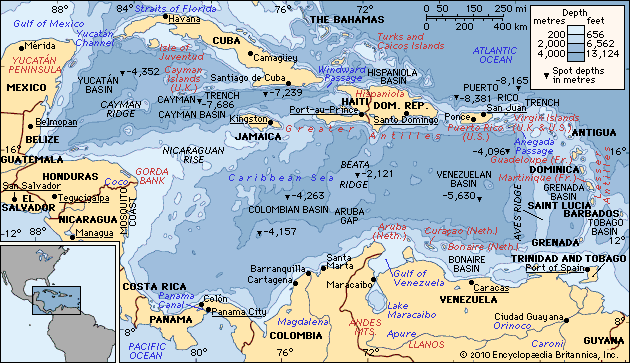
Lake Nicaragua connects to the Caribbean Sea via the San Juan River. This river serves as the lake's primary outlet, flowing 112 to 124 miles from the lake's…
How does Lake Nicaragua connect to the Caribbean Sea, and what implications does this have?
Lake Nicaragua connects to the Caribbean Sea via the San Juan River. This river serves as the lake’s primary outlet, flowing 112 to 124 miles from the lake’s southeastern shore at San Carlos to the Caribbean port of San Juan del Norte.12
This connection has had significant historical and geopolitical implications:
- Canal Potential: The river and lake have long been considered a viable route for an interoceanic canal connecting the Atlantic and Pacific oceans. This project was historically significant, notably during the 19th-century gold rush when the “Vanderbilt Road” utilized this route to transport prospectors.12
- Security and Conflict: In earlier centuries, the river provided a path for piratical raids on lakeside towns, necessitating the construction of defensive fortifications. More recently, the river has been the subject of long-standing boundary and navigation disputes between Nicaragua and Costa Rica, requiring intervention from the International Court of Justice.12
What is the geographical location and size of Lake Nicaragua?
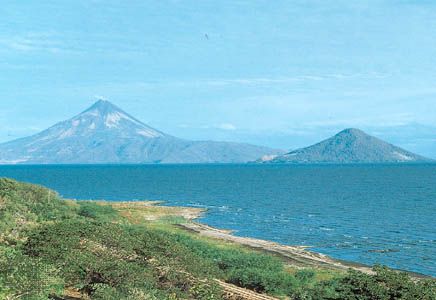
Lake Nicaragua, also known as Cocibolca, is the largest freshwater lake in Central America and serves as the dominant physical feature of southwestern Nicaragua.
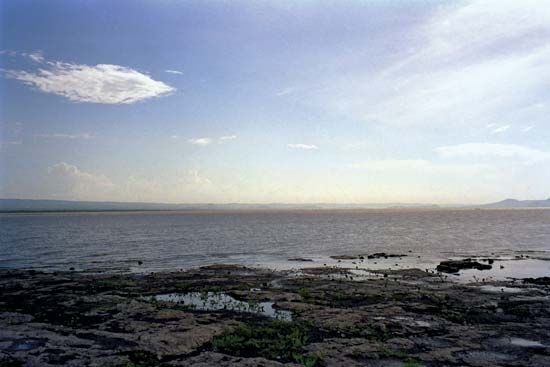
The lake is oval in shape and covers an area of 3,149 square miles (8,157 square km). It measures 110 miles (177 km) in length with an average width of 36 miles (58 km). Situated at an elevation of 95 feet (29 meters) above sea level, the lake reaches depths of approximately 60 feet (18 meters) in its center, with deeper sections of up to 200 feet (60 meters) located southeast of Ometepe Island.
Geographically, the lake is separated from the Pacific Ocean to the southwest by the Rivas Isthmus, a narrow land corridor 12 miles (19 km) wide. To the northwest, it is linked to Lake Managua by the Tipitapa River.
What is the cultural significance of Lake Nicaragua to the people of Nicaragua?
Lake Nicaragua holds profound cultural and historical significance for the people of Nicaragua, serving as a central element of the nation’s identity. Its indigenous name, Cocibolca, and the Spanish term Mar Dulce—both meaning “sweet sea”—reflect its historical importance as a vital natural resource. The lake’s very name is believed to be derived from Nicarao, an indigenous chief whose people inhabited its shores during the late 15th and early 16th centuries.14
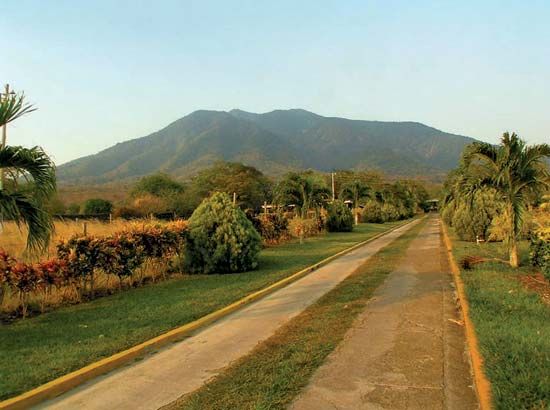
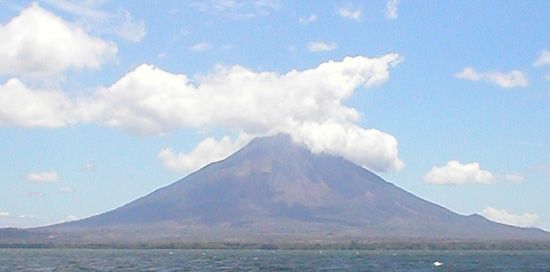
The lake is a major repository of the country’s heritage, particularly on its islands. Ometepe Island is the preeminent site in Nicaragua for pre-Columbian statuary, ceramics, and other archaeological remains that offer insights into ancient North and South American civilizations. Similarly, the island of Zapatera is noted for its numerous archaeological sites and petroglyphs from pre-Columbian cultures.13
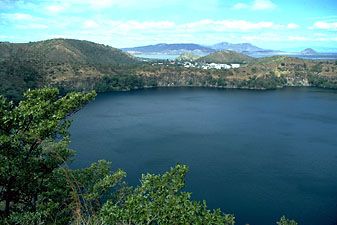
Beyond its archaeological value, the lake is a cornerstone of modern Nicaraguan tourism, drawing visitors to its hundreds of islands and volcanic landscapes, which are integral to the country’s cultural and economic life.3
What is the origin of Lake Nicaragua’s name, and does it have any alternative names?
Lake Nicaragua is known by several names that reflect its indigenous heritage and colonial history. Its indigenous name is Cocibolca, which translates to “sweet sea.” During the colonial era, the Spanish referred to the lake as Mar Dulce, which also means “sweet sea”.16
The lake’s current name is believed to be derived from Nicarao, an indigenous chief whose people inhabited the lake’s shores during the late 15th and early 16th centuries. This same chief is also the namesake of the country of Nicaragua itself.17
Sources
- Lake Nicaragua — Encyclopædia Britannica
- San Juan River — Encyclopædia Britannica
- Lake Managua — Encyclopædia Britannica
- Nicaragua - Services — Encyclopædia Britannica
- Nicaragua: Top Questions — Encyclopædia Britannica
- Nicaragua — Encyclopædia Britannica
- Cocibolca — Encyclopædia Britannica
Published on · 3 min read