Madera Volcano
Madera Volcano is a dormant volcanic cone located in southwestern Nicaragua. It forms the southern half of Ometepe Island, which is situated within Lake…
What is Madera Volcano?
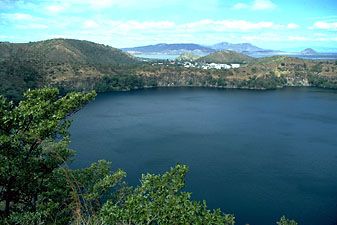
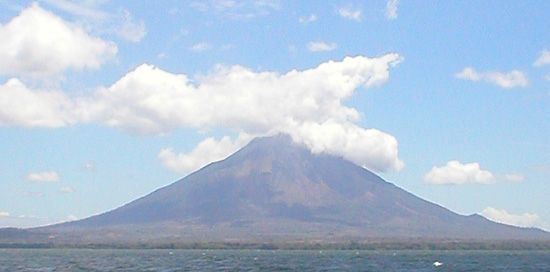
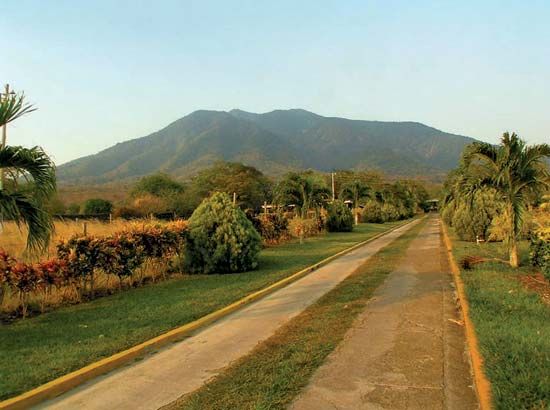
Madera Volcano is a dormant volcanic cone located in southwestern Nicaragua. It forms the southern half of Ometepe Island, which is situated within Lake Nicaragua.12
Rising to an elevation of 4,573 feet (1,394 meters), the volcano is characterized by its perfect conical shape. Unlike its neighbor on the northern half of the island, the active Concepción Volcano, Madera is considered dormant. The island itself is a popular destination known for its fertile, forested land and significant archaeological and natural features.123
How does a dormant volcano differ from an active one?
The distinction between active and dormant volcanoes is primarily based on their recent eruptive history and current state of activity.
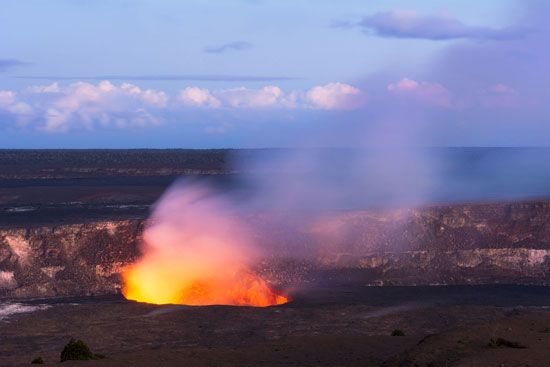
- Active Volcanoes: These are volcanoes that have erupted in recent history or are currently showing signs of activity, such as the emission of lava, ash, or gases. Scientists monitor these sites using tools like seismographs to detect earthquake tremors caused by the upward movement of magma, as well as tiltmeters and gas detectors to identify signs of an impending eruption. Examples include Kilauea in Hawaii and Mount Etna in Italy.45
- Dormant Volcanoes: Often referred to as “sleeping” volcanoes, these have not erupted for a long period but are still considered capable of erupting again in the future. For instance, Mount Fuji has been dormant since 1707, yet it remains classified as active because it is still monitored for potential future activity. Similarly, Mount Rainier is categorized as a dormant volcanoMount Rainier](https://www.britannica.com/place/Mount-Rainier) is categorized as a dormant volcano.46
What is the significance of Lake Nicaragua in the region?
Lake Nicaragua, known locally as Cocibolca, is the largest lake in Central America and serves as a dominant physical feature of the region. Its significance is multifaceted:89
- Geographic and Ecological Importance: As the largest freshwater lake in the region, it is unique for containing oceanic animal life, such as sharks and tarpon, which adapted to the water after the basin was cut off from the ocean by volcanic activity. It is also a major site for archaeological research, particularly on Ometepe Island, which contains significant pre-Columbian statuary and ceramics.8
- Historical and Economic Potential: For centuries, the lake has been central to discussions regarding a potential trans-Nicaragua canal connecting the Caribbean Sea and the Pacific Ocean. During the 19th century, it served as a vital transit route for gold prospectors traveling to California via the Vanderbilt Road.89
- Hydrological Role: The lake is connected to Lake Managua via the Tipitapa River and drains into the Caribbean through the San Juan River, which historically served as a strategic waterway for trade and defense.89
What are the main agricultural products grown on Ometepe Island?
The agricultural landscape of Ometepe Island is defined by its fertile volcanic soil, which supports a variety of crops. The principal agricultural products grown on the island are:
- Coffee
- Tobacco
These crops are central to the island’s economy, benefiting from the nutrient-rich land provided by the Concepción Volcano and Madera Volcano.2
Sources
- Madera Volcano — Encyclopædia Britannica
- Ometepe Island — Encyclopædia Britannica
- Concepción Volcano — Encyclopædia Britannica
- volcano - Six types of eruptions — Encyclopædia Britannica
- geology - Volcanology — Encyclopædia Britannica
- world’s major volcanoes — Encyclopædia Britannica
- Mount Fuji: Top Questions — Encyclopædia Britannica
- Lake Nicaragua — Encyclopædia Britannica
- Nicaragua - Drainage — Encyclopædia Britannica
- Lake Managua — Encyclopædia Britannica
Published on · 2 min read