Lake Taupō
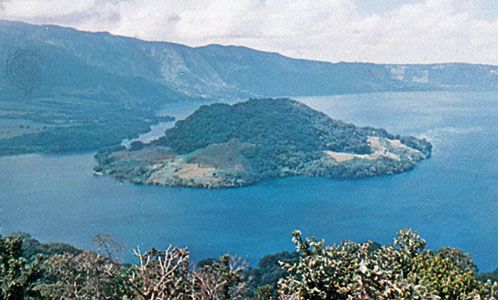
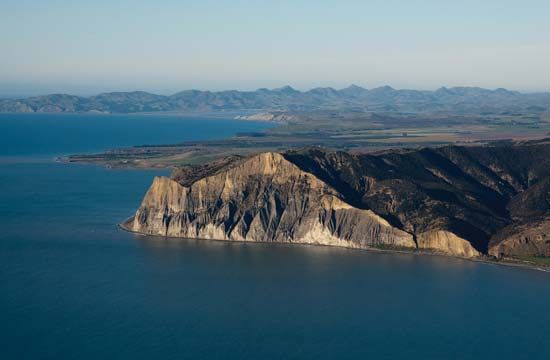
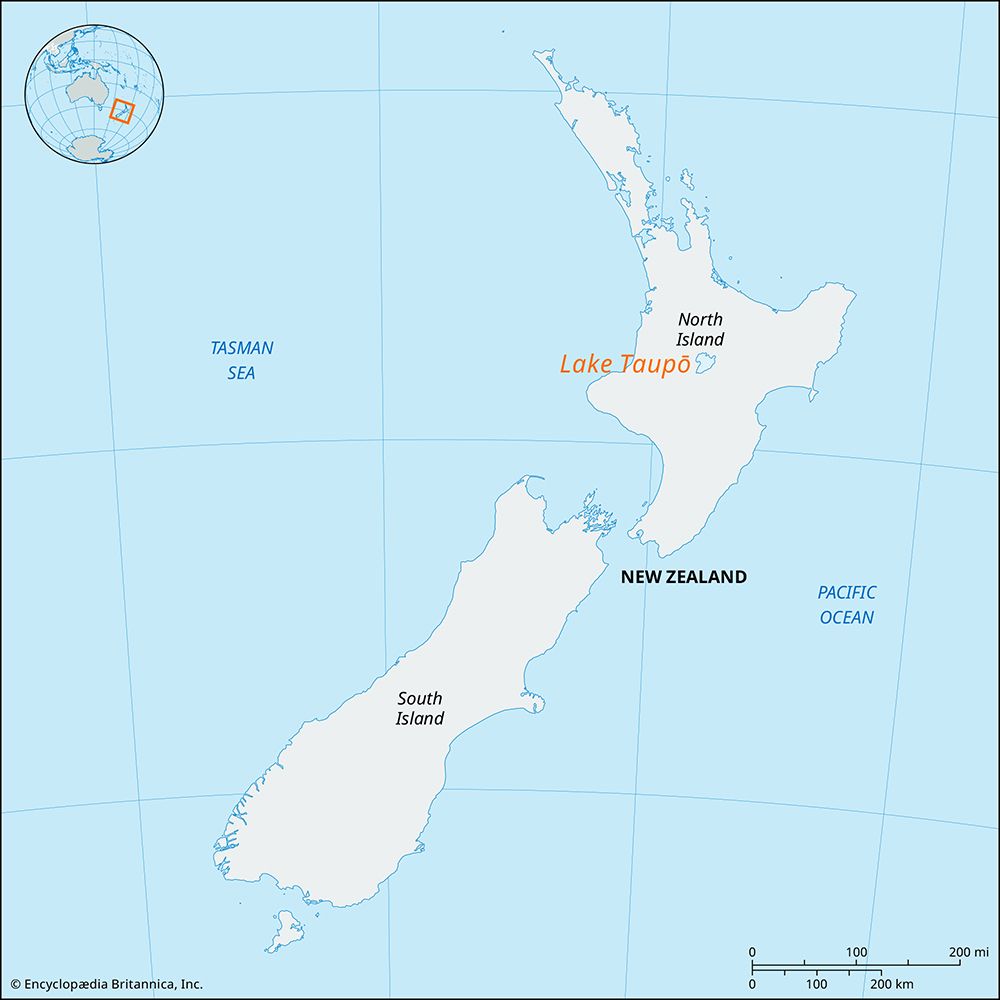
Lake Taupō is located on the volcanic plateau of central North Island, New Zealand. As the country's largest lake, it occupies a massive caldera formed by…
Where is Lake Taupō located in New Zealand, and how large is it?
Lake Taupō is located on the volcanic plateau of central North Island, New Zealand. As the country’s largest lake, it occupies a massive caldera formed by cataclysmic volcanic eruptions approximately 1,800 years ago.12
The lake covers a surface area of 234 square miles (606 square km) and reaches a depth of about 525 feet (160 metres). Its surface sits at an elevation of 1,172 feet (357 metres) above sea level. The lake serves as a vital reservoir for hydroelectric power generation along the Waikato River and is a significant hub for tourism and geothermal energy.1
How was Lake Taupō formed, and what is its geological significance?
Lake Taupō was formed approximately 1,800 years ago following a series of cataclysmic eruptions from the Taupō volcano and other nearby volcanic vents. These eruptions rapidly emptied the underlying magma reservoir, causing the top of the volcanic structure to collapse into the resulting void, which created a large caldera—a bowl-shaped depression that eventually filled with water.12
Geologically, the lake is highly significant as it occupies the remains of several volcanic craters, including the dormant Taupō volcano in its northeastern section. It is situated within the broader Rotorua-Taupō Basin, which is classified as a volcano-tectonic depression. This area is shaped by both volcanic activity and tectonic structures, such as faults and joints in the Earth’s crust. Today, the region remains geologically active, characterized by numerous geothermal springs along the lake’s borders that are utilized for hydroelectric power generation and as health resorts.12
What is the cultural importance of Lake Taupō to the Māori people?
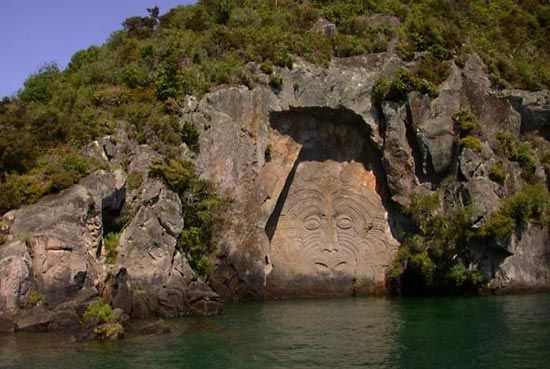
Lake Taupō holds deep cultural significance for the Māori people, which is reflected in its traditional name, Taupō nui a Tia. This name translates to “Great Cloak of Tia,” a reference to the explorer Tia, a prominent figure in Māori tradition who is said to have discovered the lake.
The name highlights the enduring connection between the landscape and the ancestral history of the Māori, serving as a reminder of their long-standing relationship with the region’s geography. While the lake is a center for modern industry and tourism, its identity remains rooted in these foundational cultural narratives.1
How does Lake Taupō contribute to New Zealand’s hydroelectric power generation?
Lake Taupō serves as a vital natural reservoir for the Waikato River, which is essential to New Zealand’s hydroelectric power infrastructure. By regulating the flow of water into the river, the lake ensures a consistent supply for a series of hydroelectric power stations constructed between Taupō and Karapiro.14
In addition to its role as a reservoir, the region surrounding the lake contributes to energy production through its geothermal activity. Numerous geothermal springs located along the borders of Lake Taupō are harnessed to generate electricity, further supporting the nation’s power needs.1
Sources
- Lake Taupō — Encyclopædia Britannica
- Waikato — Encyclopædia Britannica
- caldera — Encyclopædia Britannica
- Waikato River — Encyclopædia Britannica
Published on · 2 min read