Lake Volta
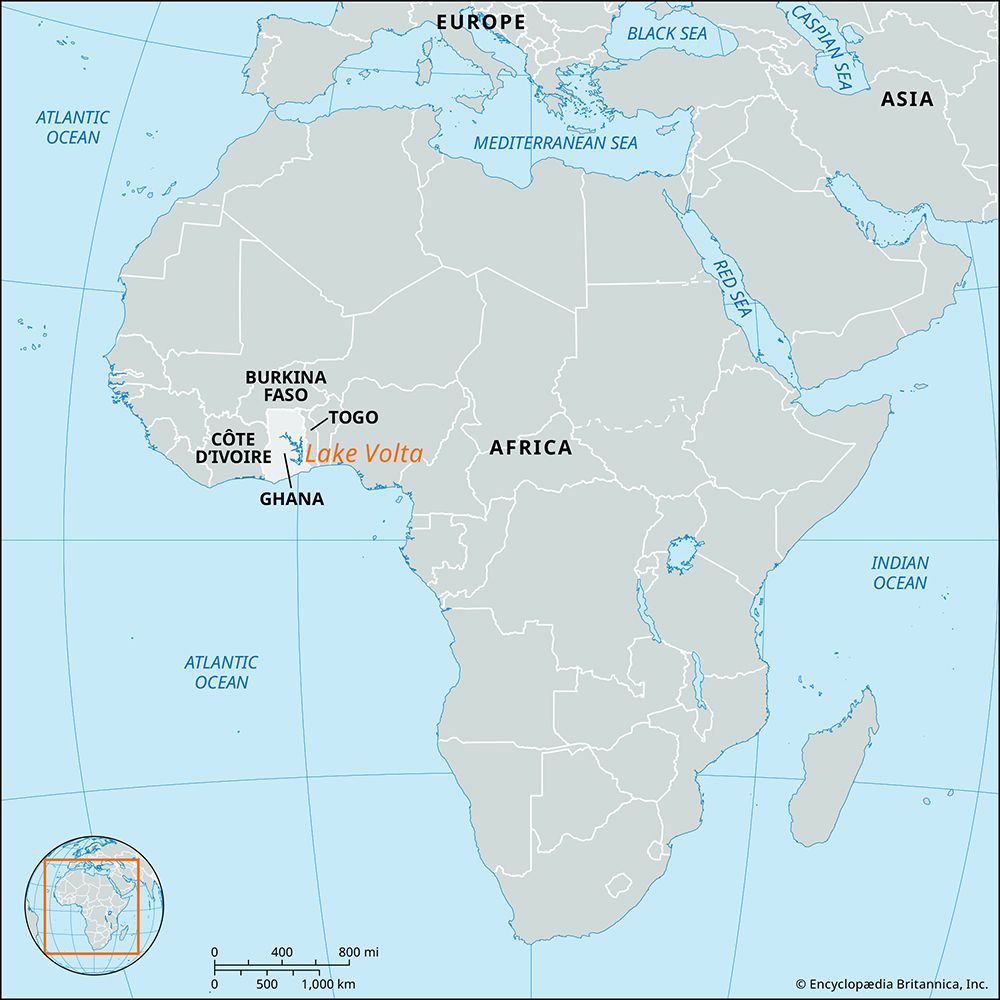
Lake Volta is one of the world's largest artificial lakes, located in Ghana. It was created by the construction of the Akosombo Dam on the Volta River, which…
What is Lake Volta and where is it located in Ghana?
Lake Volta is one of the world’s largest artificial lakes, located in Ghana. It was created by the construction of the Akosombo Dam on the Volta River, which was completed in 1965.12
The lake extends approximately 250 miles (400 km) upstream from the dam, reaching from the area south of Ajena to Yapei, beyond the former confluence of the Black and White Volta rivers. Covering about 3,283 square miles (8,502 square km), it accounts for roughly 3.6 percent of Ghana’s total land area.1
Beyond its role in hydroelectric power generation, the lake serves as a vital transportation route linking Ghana’s northern savanna to the coast, supports commercial fishing, and provides essential irrigation for agriculture. Its creation was a significant undertaking that required the resettlement of tens of thousands of people and the inundation of hundreds of villages.12
How does Lake Volta contribute to Ghana’s electricity production?
Lake Volta serves as the essential reservoir for the Akosombo Dam, which is the primary driver of hydroelectric power production in Ghana. By impounding the Volta River, the dam utilizes the massive water storage capacity of the lake to drive its power station turbines.12
The electricity generated by this facility is critical to the nation’s infrastructure and economy:
- Capacity and Growth: Upon its completion in 1965, the dam had a generating capacity of 912 megawatts. Following a 2006 upgrade, this capacity increased to 1,020 megawatts.12
- Domestic and Industrial Use: The power produced supplies a significant portion of Ghana’s domestic electricity needs. Historically, it was also intended to support a fully integrated aluminum industry, specifically powering an aluminum smelter located at the port of Tema specifically powering an aluminum smelter located at the port of Tema.12
- Regional Export: Beyond meeting local demand, the surplus electricity generated by the dam has allowed Ghana to export power to neighboring countries, including Benin, Togo, Burkina Faso, and Nigeria.2
Currently, the project generates approximately 85 percent of Ghana’s total electricity requirements.2
What is the size of Lake Volta compared to other man-made lakes in the world?
Lake Volta is recognized as one of the largest artificial lakes in the world, with a surface area of approximately 3,283 square miles (8,502 square km) and a storage capacity of 124,000,000 acre-feet (153,000,000,000 cubic meters) of water.13
When compared to other major reservoirs globally, Lake Volta ranks among the most significant in terms of capacity. According to data on the world’s largest dams by reservoir capacity, it is positioned alongside other massive man-made water bodies:
Name
Country
Reservoir Capacity (million cubic meters)
Kariba
Zimbabwe-Zambia
180,600
Bratsk
Russia
169,270
Aswan High
Egypt
168,900
Akosombo (Lake Volta)
Ghana
153,000
Daniel-Johnson
Canada
141,852
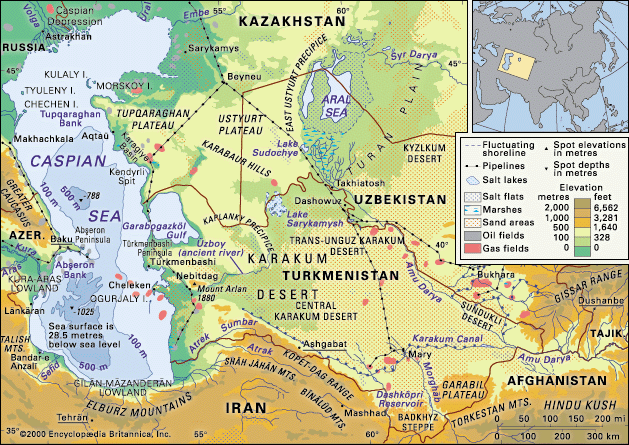
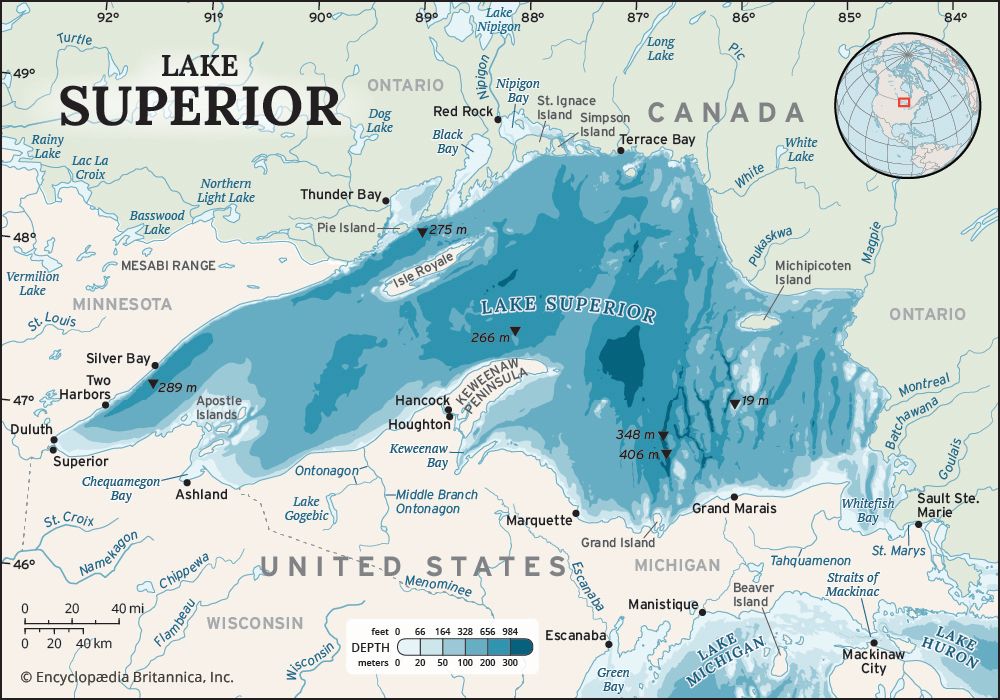
While natural lakes like the Caspian Sea and Lake Superior are significantly larger in surface area, Lake Volta remains a premier example of a multipurpose artificial reservoir that transformed the geography of Ghana by covering roughly 3.6 percent of the country’s total land area.14
What are the main purposes and benefits of Lake Volta?
Lake Volta, created by the Akosombo Dam, serves as a vital multipurpose resource for Ghana. Its primary functions and benefits include:
- Energy Production: The lake is the cornerstone of Ghana’s power infrastructure. The associated hydroelectric plant provides approximately 85 percent of the nation’s electricity, supporting both domestic needs and industrial activities, such as the aluminum smelter at Tema. Surplus energy is also exported to neighboring countries, including Benin, Togo, Burkina Faso, and Nigeria.12
- Transportation: The lake is navigable, offering a cost-effective route that connects Ghana’s northern savanna regions with the southern coast.1
- Agriculture and Industry: It serves as a major site for commercial fishing and provides essential irrigation water for farmland in the Accra Plains.12
- Tourism: The reservoir supports the development of the local tourism sector.2
While the lake provides these significant economic benefits, its creation also necessitated the displacement of approximately 80,000 people and altered the natural flooding cycles that previously enriched local agricultural lands.12
Sources
- Lake Volta — Encyclopædia Britannica
- Akosombo Dam — Encyclopædia Britannica
- dam — Encyclopædia Britannica
- world’s largest lakes — Encyclopædia Britannica
- 9 of the World’s Deepest Lakes — Encyclopædia Britannica
- Volta River — Encyclopædia Britannica
- White Volta River — Encyclopædia Britannica
Published on · 3 min read