Caspian Sea
The Caspian Sea hosts approximately 850 animal species and over 500 plant species, many of which are endemic to the region.
What kinds of fish and other marine life are found in the Caspian Sea?
The Caspian Sea hosts approximately 850 animal species and over 500 plant species, many of which are endemic to the region.1
Marine Life Diversity
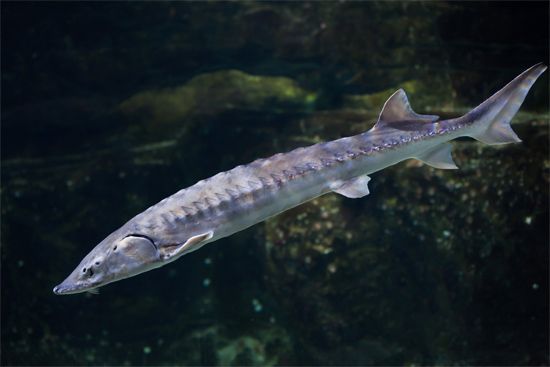
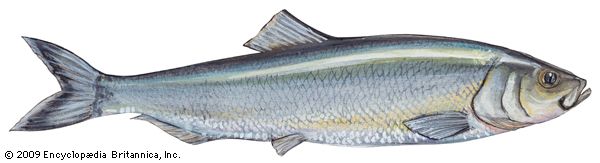
- Fish: The sea is home to several notable fish species, including sturgeon, herring, pike, perch, and sprat (kilka). The beluga, sterlet, and stellate sturgeon are among the species found in its waters.12
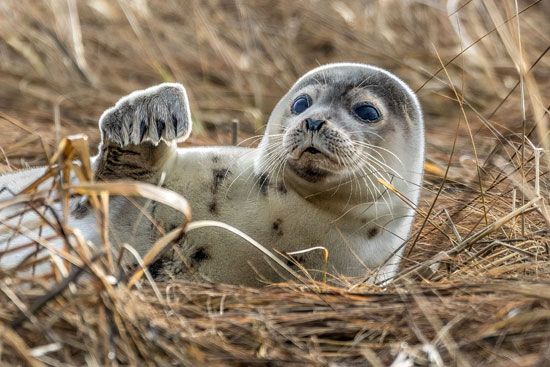
- Mammals: The Caspian seal (Pusa caspica) is the only mammal native to the sea.3
- Invertebrates and Others: The ecosystem includes various mollusks, sponges, and other invertebrates. Additionally, organisms such as barnacles, crabs, and clams have been introduced via shipping, while gray mullets were introduced by humans.31
- Flora: The greatest biomass concentrations consist of blue-green algae and diatoms, alongside several species of red and brown algae.1
The biological productivity of the Caspian is currently threatened by water pollution, commercial fishing, and invasive species like the comb jellyfish, which compete for food resources.3
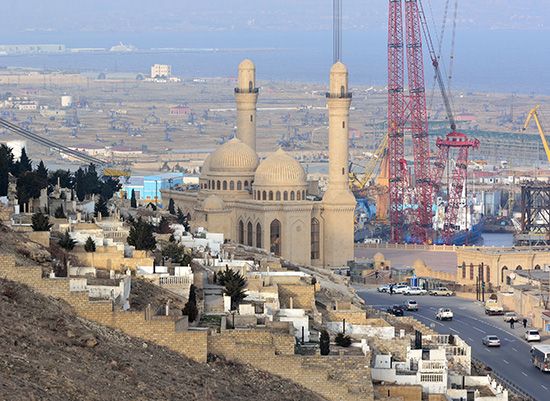
How does the Caspian Sea’s rich oil and natural gas reserves impact the global energy market?
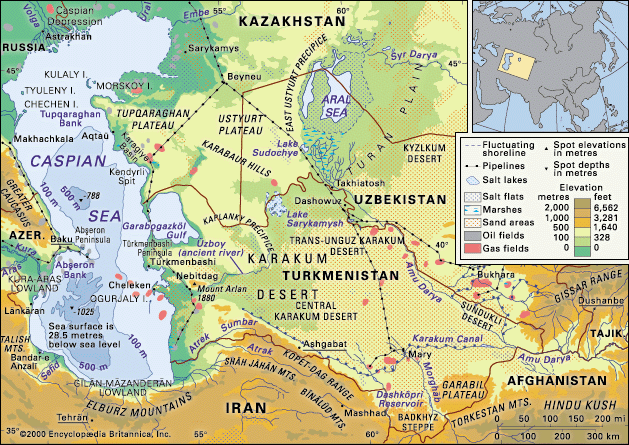
The Caspian Sea basin has emerged as a significant global energy hub, possessing substantial petroleum and natural gas reserves that were largely overlooked during the Soviet era. As production has expanded since the mid-20th century, the region has become a critical focus for international energy exploration and investment.89
The impact of these reserves on the global market is defined by the complex logistics of transporting resources from a landlocked region to international consumers. To bring these energy supplies to market, Caspian nations—including Azerbaijan, Kazakhstan, and Turkmenistan—have developed extensive pipeline networks. Key infrastructure projects include:108
- Baku-Tbilisi-Ceyhan Pipeline: An oil pipeline connecting the Caspian to the Mediterranean coast, operational since 2005.10
- Diversification Efforts: Pipelines linking Central Asian gas to China and proposed routes like the TAPI (Turkmenistan-Afghanistan-Pakistan-India) pipeline aim to circumvent traditional transit routes and reach new markets.11
These developments reflect a strategic effort by regional producers to balance exports between established markets in Russia and new, diverse international destinations.811
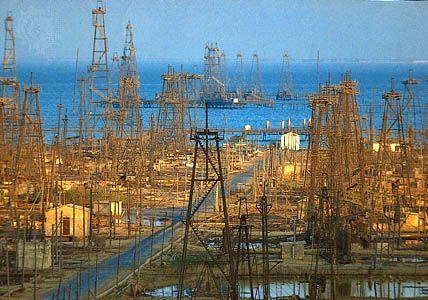
How do the five countries bordering the Caspian Sea share its resources and manage disputes?
The Caspian Sea is bordered by five nations: Kazakhstan, Turkmenistan, Iran, Azerbaijan, and Russia. Because the Caspian is the world’s largest inland body of water, its legal status—whether it should be classified as a sea or a lake—has historically been a subject of debate, which directly impacts how its resources are managed.158
The countries rely on the sea for vital economic activities, including shipping, fisheries, and the extraction of petroleum and natural gas. To manage these resources, the bordering nations have engaged in various agreements, particularly regarding the development of infrastructure like pipelines to transport energy to international markets. While the provided search results do not detail the specific mechanisms for resolving territorial disputes, they highlight that the region’s economic cooperation is essential for managing shared interests in the basin’s vast energy reserves and biological resources.11012
What are the unique geographical features of the Caspian Sea that make it different from other bodies of water?
The Caspian Sea is a unique body of water defined by its status as the world’s largest inland body of water and the world’s largest salt lake.1 Its distinct characteristics include:1
- Geological History: Once connected to the world ocean via the Black Sea and Mediterranean Sea, the Caspian became an enclosed basin approximately 11 million years ago. Its southern basin still retains suboceanic-type basalt crustal structures, a remnant of its oceanic past.135
- Surface Elevation: The sea’s surface lies approximately 90 feet (27 meters) below sea level, and its water levels have historically fluctuated significantly due to climatic changes and human activity, such as dam construction on the Volga River.1314
- Chemical Composition: While the average salinity is about 12.8 parts per thousand, it varies drastically from 1 part per thousand near the Volga outlet to 200 parts per thousand in the Kara-Bogaz-Gol lagoon. Unlike typical seawater, Caspian water has a higher concentration of sulfate, calcium, and magnesium carbonate.114
Sources
- Caspian Sea — Encyclopædia Britannica
- Caspian seal — Encyclopædia Britannica
- sturgeon — Encyclopædia Britannica
- Caspian Sea - Marine life — Encyclopædia Britannica
- Caspian Sea: Top Questions — Encyclopædia Britannica
- Caspian seal: Top Questions — Encyclopædia Britannica
- Caspian Sea - Study and exploration — Encyclopædia Britannica
- Caspian Sea - Transportation — Encyclopædia Britannica
- Asia - Petroleum and natural gas — Encyclopædia Britannica
- Caspian Sea - Resources — Encyclopædia Britannica
- Turkmenistan - Resources and power — Encyclopædia Britannica
- Landlocked country — Encyclopædia Britannica
- Caspian Sea - Geology of the Caspian Sea — Encyclopædia Britannica
- Caspian Sea - Hydrology — Encyclopædia Britannica
Published on · 3 min read