Lakshadweep
The people of Lakshadweep primarily descend from migrants who arrived from the Malabar Coast of southwest India before the 7th century CE. While Islam is the…
What is the main language and culture of the people living in Lakshadweep?
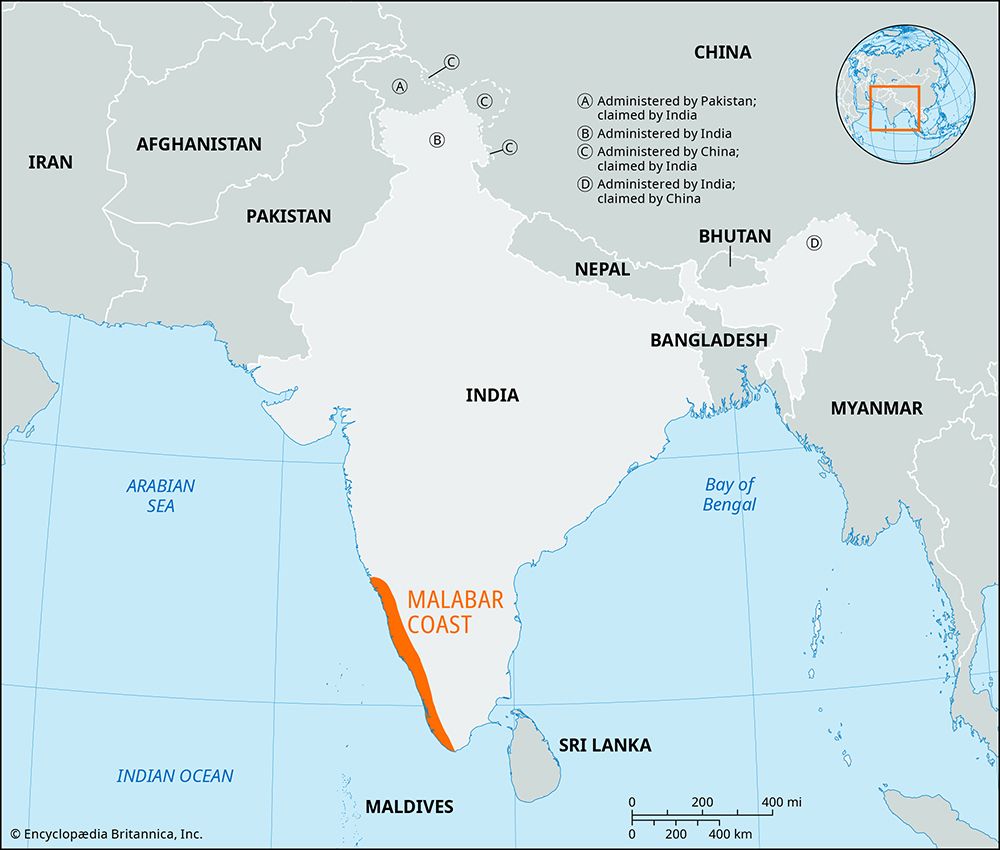
The people of Lakshadweep primarily descend from migrants who arrived from the Malabar Coast of southwest India before the 7th century CE. While Islam is the predominant religion, the culture retains vestiges of the original Hindu migrants, specifically through a matrilineal kinship system and castelike social groups.1
Regarding language, most islanders speak Jasari (also known as Jeseri), an oral language that lacks a script. On the island of Minicoy, the people speak Mahi (or Mahl), a language that shares cultural affinities with the Maldive Islands. Additionally, some residents speak Hindi and Malayalam.1
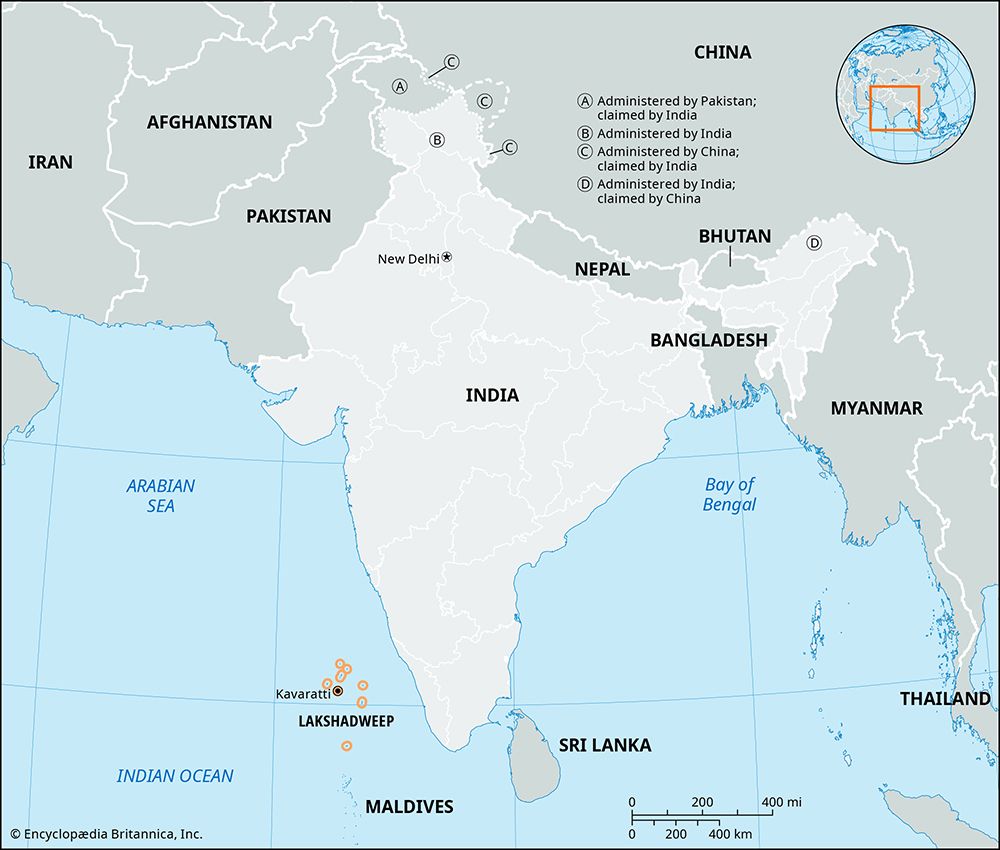
What is the history of Lakshadweep and how did it become a union territory of India?
The history of Lakshadweep spans centuries of trade, shifting dynasties, and colonial influence. First noted by a Greek sailor in the 1st century CE, the islands became a hub for Arab traders, leading to the widespread adoption of Islam by the 7th century.
Throughout the medieval period, the islands were governed by various Hindu dynasties from the Malabar Coast, including the Kolathiris. By the 12th century, a separate kingdom was established in the Kannur area to preserve matrilineal traditions. The Portuguese arrived in 1498, building a fort to control the coir trade until a local uprising in 1545.
In the 1780s, the northern Amindivi islands fell to Tippu Sultan, passing to British control after his death in 1799. The remaining islands were eventually ceded to the British in 1908 due to unpaid debts. Following Indian independence in 1947, sovereignty transferred to India, and the islands were formally constituted as a union territory in 1956.
How does the administration of Lakshadweep differ from other states in India?
The administration of Lakshadweep differs significantly from that of Indian states due to its status as a union territory. While states in India possess their own directly elected governments led by a chief minister, union territories are governed, either partly or wholly, by the union government of India.1
Key administrative distinctions include:
- Executive Leadership: Unlike states, which are headed by a governor appointed by the president of India, Lakshadweep is administered directly by the president acting through an appointed administrator.41
- Legislative Status: Lakshadweep does not have an elected legislature or a chief minister. In contrast, certain other union territories—such as Delhi, Jammu and Kashmir, and Puducherry—have been granted elected legislatures by the union government.1
- Judicial Jurisdiction: The territory falls under the jurisdiction of the Kerala High Court.4
- Representation: Because it lacks an elected legislature, Lakshadweep does not have representation in the Rajya Sabha, the upper chamber of India’s parliament, though it does have representation in the Lok Sabha.1
How does the education system work in Lakshadweep?
Education in Lakshadweep has seen significant improvement since the mid-20th century. The territory now provides access to primary and secondary schooling across its inhabited islands. As a result of these developments, Lakshadweep maintains one of the highest literacy rates among all states and territories in India.1
For higher education, the territory hosts a college that is affiliated with the University of Calicut, which offers students the opportunity to pursue baccalaureate degrees in various fields of study.1
Sources
- Lakshadweep — Encyclopædia Britannica
- Kavaratti — Encyclopædia Britannica
- Lakshadweep — Merriam-Webster
- union territory — Encyclopædia Britannica
Published on · 2 min read