Lammergeier
The lammergeier (Gypaetus barbatus), also known as the bearded vulture, plays a specialized role in its mountainous ecosystem as a scavenger. Unlike many…
What is the lammergeier’s role in its ecosystem?
The lammergeier (Gypaetus barbatus), also known as the bearded vulture, plays a specialized role in its mountainous ecosystem as a scavenger. Unlike many other vultures that primarily consume soft tissues, the lammergeier is uniquely adapted to feed on carrion, specifically bones.12
To access the nutrient-rich marrow inside, the bird drops bones from heights of up to 80 metres onto flat rocks, causing them to shatter. This behavior allows the lammergeier to utilize a food source that is inaccessible to most other scavengers, effectively serving as a final stage in the decomposition process of animal remains in its habitat. By consuming these remains, the species contributes to the removal of organic matter from the environment, though its population is currently considered near threatened due to threats such as habitat degradation and poisoning.1
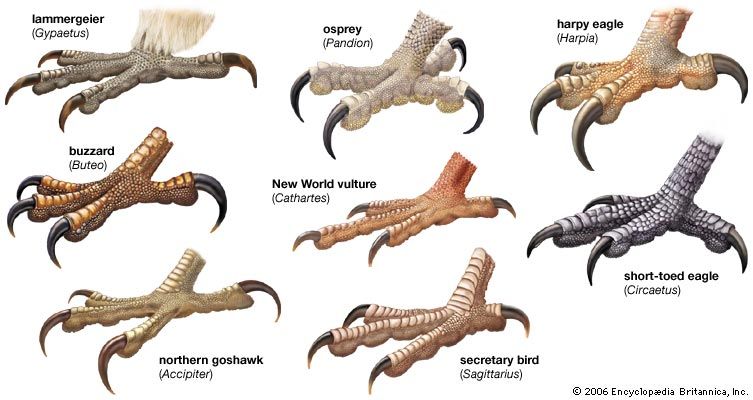
How has the lammergeier adapted to its high-altitude mountain habitat?
The lammergeier (Gypaetus barbatus) has evolved several physical characteristics that allow it to thrive in rugged, high-altitude mountain environments across Asia, Africa, and Europe.
Its morphology is defined by features that facilitate both flight and survival in steep terrain:
- Flight and Size: The bird is large, often exceeding 1 metre in length with a wingspan of nearly 3 metres, enabling it to soar efficiently over vast mountainous landscapes.1
- Eaglelike Features: Unlike many other vultures, the lammergeier possesses feathered faces and legs, which provide insulation against the cold temperatures found at high elevations.1
- Grip and Stability: It is equipped with strongly prehensile feet and long, curved claws, which are essential for navigating rocky surfaces and handling its primary food source—bones—which it drops from heights of up to 80 metres to access the marrow inside.1
- Nesting: The species is specifically adapted to its habitat by nesting on the ledges of cliffs, providing protection for its young in inaccessible, high-altitude locations.1
What cultural significance does the lammergeier hold in regions where it lives?
The name “lammergeier” itself reflects a significant cultural perception of the bird in German-speaking regions. Derived from the German words Lämmer (lambs) and Geier (vulture), the name translates to “lamb vulture.” This etymology highlights a historical, though largely unfounded, belief that the bird was a predator capable of carrying off young livestock, such as lambs.1
While the lammergeier is a specialized scavenger that primarily feeds on bones, this historical reputation as a threat to livestock contributed to the hunting pressure that has historically impacted its population across its range. Today, the species is recognized more for its unique ecological role and its status as a near threatened bird, rather than the predatory myths that once defined its cultural standing.51
We could dive deeper into the specific conservation efforts currently underway to protect the lammergeier from threats like poisoning and habitat loss.
What is a lammergeier and where can it be found in the wild?
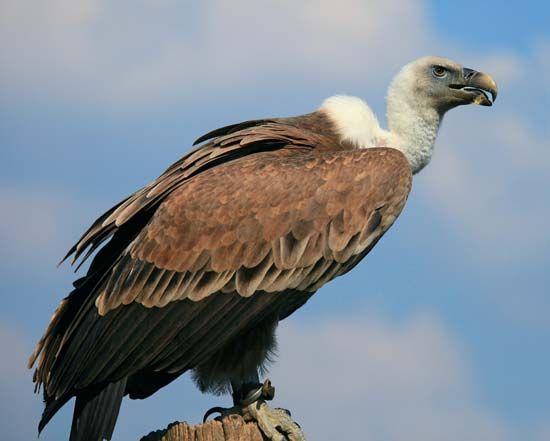
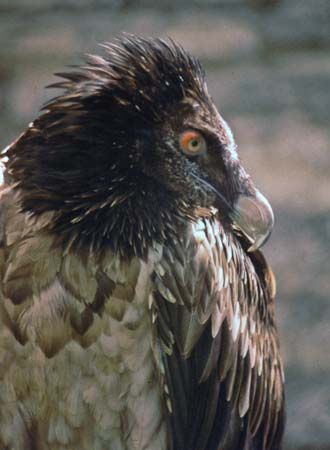
The lammergeier (Gypaetus barbatus), also known as the bearded vulture, is a large, eaglelike vulture belonging to the family Accipitridae. Measuring over 1 metre in length with a wingspan of nearly 3 metres, it is distinguished by its feathered face and legs, black and white head stripes, and long bristles on its “chin”.12
In the wild, the lammergeier inhabits mountainous regions across a broad geographic range. Its distribution includes:1
- Asia: Found throughout central mountainous areas.1
- Africa: Occurs in eastern regions and the Drakensberg mountain range of South Africa and Lesotho.1
- Europe: Present in parts of Spain and other European mountain ranges.1
The species is currently classified as near threatened due to factors such as habitat degradation, hunting, and poisoning.1
Sources
- Lammergeier — Encyclopædia Britannica
- bearded vulture — Merriam-Webster
- Why do vultures circle? — Encyclopædia Britannica
- scavenger — Encyclopædia Britannica
- lammergeier — Merriam-Webster
Published on · 3 min read