Scavenger
In ecology, scavengers and predators are distinguished primarily by the state of their food source and their method of acquisition.
How do scavengers differ from predators in their ecological function?
In ecology, scavengers and predators are distinguished primarily by the state of their food source and their method of acquisition.
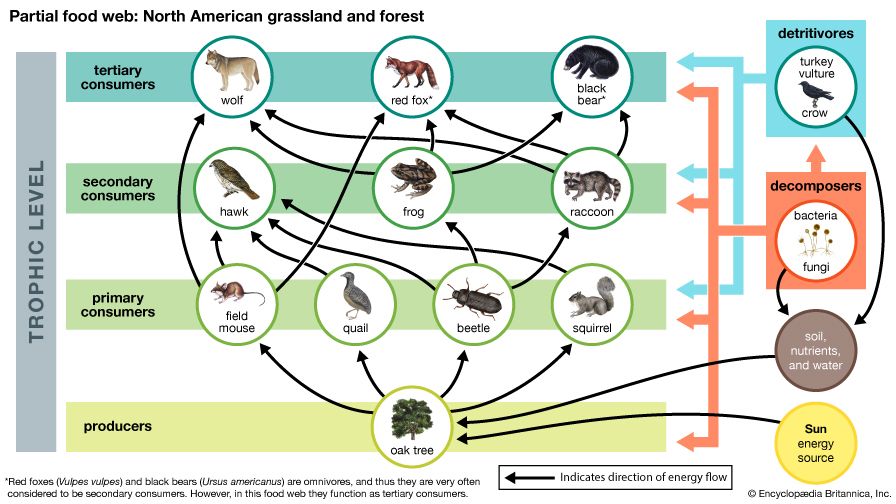
- Predators are animals that actively hunt, capture, and subjugate living prey to ingest them. They occupy various trophic levels in a food web, with apex predators sitting at the top of the energy pyramid, exerting control over the populations of other species.123
- Scavengers (or detritivores) feed primarily on the remains of dead organisms. Their ecological function is vital for nutrient cycling; by consuming carrion, they act as “garbage eliminators” that prevent the accumulation of decaying organic matter, eventually converting it into basic materials that producers can use again.31
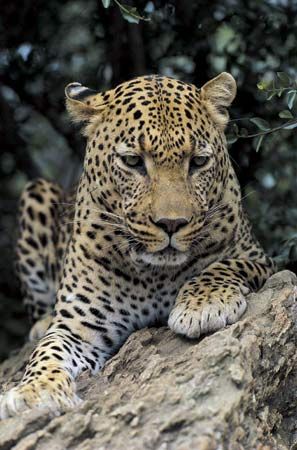
While these roles are distinct, they often overlap. Many animals are opportunistic; for example, large mammalian predators like lions and wolves will readily consume carcasses killed by others, and some species, such as the spotted hyena, function as both skilled hunters and efficient scavengers.4
How have scavengers evolved over time to fill their ecological niche?
Scavengers have evolved as essential “garbage eliminators” within ecosystems, filling a critical niche by recycling organic matter that would otherwise decompose slowly. Their evolution is characterized by structural, physiological, and behavioral adaptations that allow them to locate, access, and process decaying tissues.1
Evolutionary Adaptations
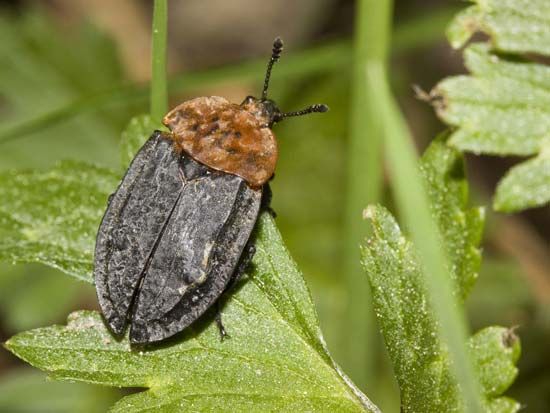
- Morphological Specialization: Early scavengers, such as flatworms, were among the first to exploit the layer of detritus on the ocean floor. Over time, the acquisition of a coelom or pseudocoel enabled animals to burrow into this detritus layer, consuming it as they moved. Other scavengers, like carrion beetles, evolved flat, flexible bodies that allow them to crawl beneath carcasses.145
- Behavioral Innovations: Some species evolved complex behaviors to secure food. For example, burying beetles dig the ground from beneath small carcasses to inter them, protecting their food source. Similarly, the spotted hyena evolved heavy jaws capable of crushing bones, allowing it to access nutrients that other scavengers cannot reach.45
- Ecological Flexibility: Many vertebrates evolved to be opportunistic, balancing scavenging with hunting to mitigate the risk of food shortages. This flexibility allows species like the bald eagle or lion to exploit carrion when available while remaining capable of active predation.46
The driving force behind these adaptations is the survival value of efficiently competing for energy-rich resources in a landscape where almost all fixed energy is utilized by some form of life.16
What are some common examples of scavenger animals?
Scavengers are animals that feed on the remains of dead organisms, playing a crucial role in nutrient cycling by breaking down organic matter. Common examples include:
- Invertebrates: Many beetles function as scavengers, including carrion and burying beetles, scarab beetles, darkling beetles, and dermestid or hide beetles. Additionally, echinoderms like sea urchins and sea cucumbers are efficient scavengers of decaying matter on the seafloor.178
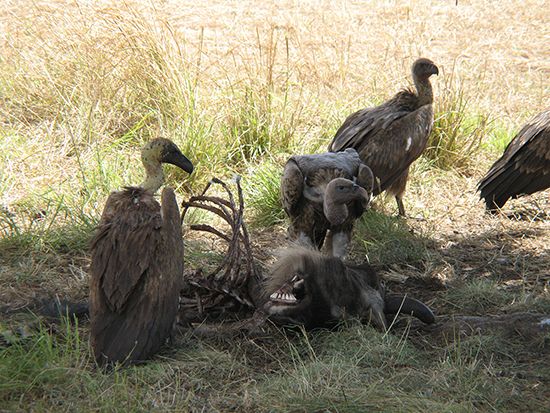
- Birds: Vultures are well-known for existing solely on carrion. Other birds, such as the bald eagle, are opportunistic scavengers that will consume dead fish when available.1
- Mammals: Large carnivores like lions and wolves often scavenge carcasses killed by other animals. The spotted hyena is also a prominent scavenger, possessing powerful jaws capable of crushing bones to access nutrients.1
What is the definition of a scavenger in zoology?
In zoology, a scavenger is an animal that feeds partly or wholly on the remains of dead organisms.13
These animals serve as essential “garbage eliminators” within an ecosystem, as they consume organic matter that would otherwise decompose very slowly. By removing this dead material, scavengers play a vital role in nutrient cycling, converting organic remains into basic materials that can be utilized by producers.34
Scavenging strategies vary widely across the animal kingdom:
- Specialization: Some invertebrates, such as carrion beetles, live almost entirely on decomposing animal matter.1
- Flexibility: Many vertebrates are opportunistic. For example, while vultures exist solely on carrion, other predators like lions, wolves, and bald eagles will scavenge carcasses killed by others when the opportunity arises.1
Sources
- scavenger — Encyclopædia Britannica
- apex predator — Encyclopædia Britannica
- food web — Encyclopædia Britannica
- Animal - Evolution of ecological roles — Encyclopædia Britannica
- Feeding behaviour - Types of food procurement — Encyclopædia Britannica
- carrion beetle — Encyclopædia Britannica
- Falconiform — Encyclopædia Britannica
- echinoderm - Role in nature — Encyclopædia Britannica
- Coleoptera - As scavengers — Encyclopædia Britannica
- kleptoparasitism — Encyclopædia Britannica
Published on · 3 min read