Last Mountain Lake
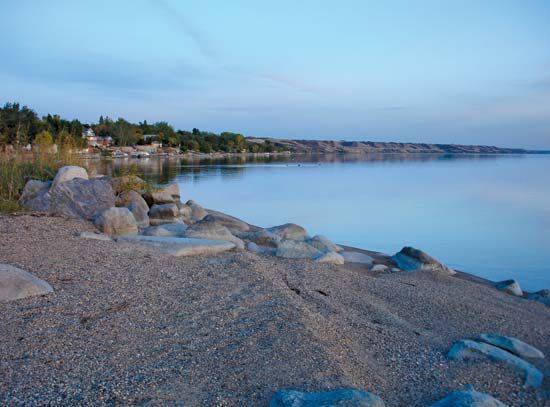
Last Mountain Lake is a long, narrow lake located in south-central Saskatchewan, Canada. It averages approximately 2 miles (3 km) in width and extends…
How deep and wide is Last Mountain Lake, and how does it compare to other lakes in Canada?
Last Mountain Lake is a long, narrow lake located in south-central Saskatchewan, Canada. It averages approximately 2 miles (3 km) in width and extends northward for nearly 60 miles (97 km), covering a total surface area of 89 square miles (231 square km). The provided search results do not contain information regarding the depth of the lake.1
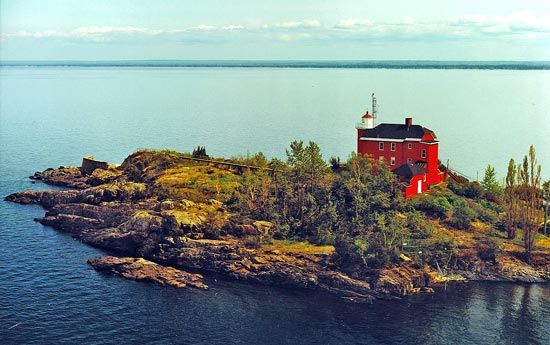
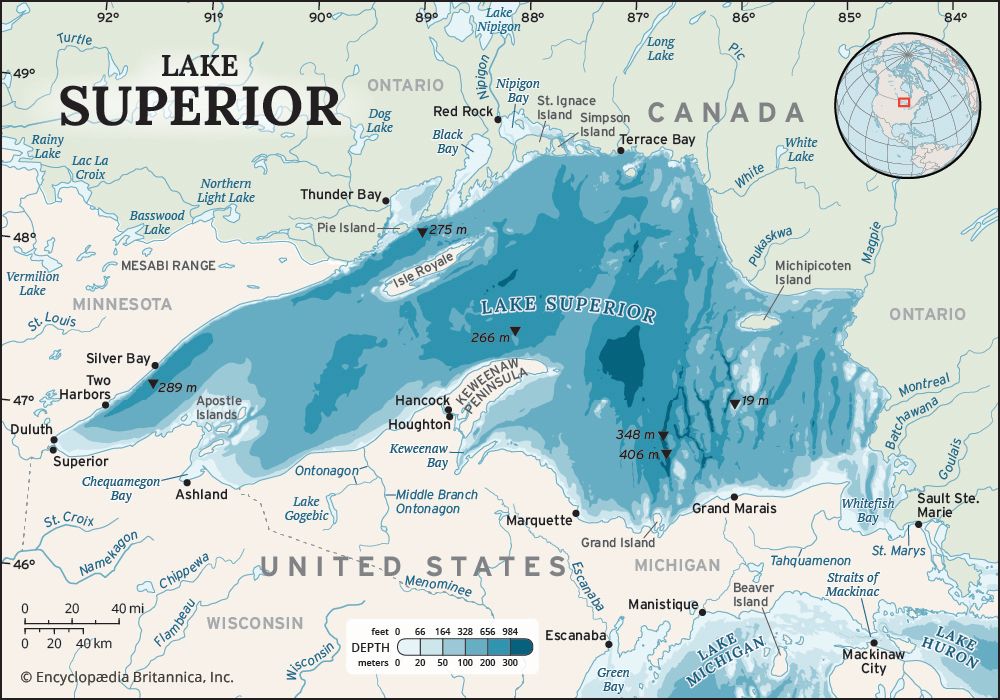
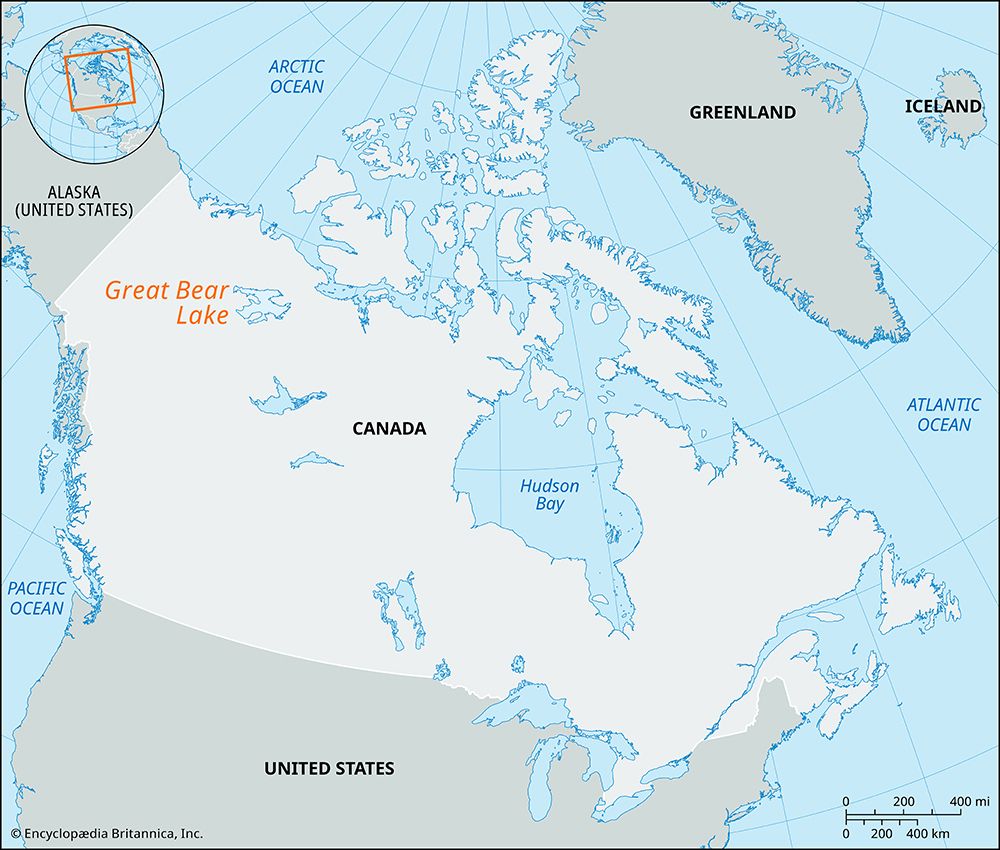
In comparison to other major Canadian water bodies, Last Mountain Lake is significantly smaller than the country’s largest lakes. For instance, it is dwarfed by the Great Lakes, such as Lake Superior, which covers 31,700 square miles, and other large Canadian lakes like Great Bear Lake and Lake Winnipeg, which span thousands of square miles. While it does not rank among Canada’s largest lakes by area, it remains a notable regional feature, serving as an important bird sanctuary and a popular recreational destination for nearby cities.231
Where is Last Mountain Lake located in Canada, and what are its key geographical features?
Last Mountain Lake is located in south-central Saskatchewan, Canada. It is a long, narrow body of water that drains southward into the Qu’Appelle River.1
Key geographical and regional features include:
- Dimensions: The lake is approximately 60 miles (97 km) long and averages 2 miles (3 km) in width, covering a total area of 89 square miles (231 square km).1
- Naming: It derives its name from a hill situated 12 miles (19 km) to the east.1
- Ecological Significance: The lake serves as a vital bird sanctuary and a critical stopover on a major flyway, particularly for sandhill and whooping cranes during their seasonal migrations.1
- Recreational Use: The area is a popular vacation destination, featuring several beach resorts and provincial parks, such as Rowan’s Ravine and Buffalo Pound, which serve the nearby cities of Regina and Moose Jaw.1
- Historical Context: The region has a history of trade, marked by the establishment of a Hudson’s Bay Company post in the 1860s, which has been reconstructed at the Last Mountain House Historic Park.1
Are there any legends or folklore associated with Last Mountain Lake?
Sorry, the Britannica knowledge base does not contain information regarding legends or folklore associated with Last Mountain Lake.
What is the historical significance of Last Mountain Lake to the indigenous peoples and early settlers?
The historical significance of the Last Mountain Lake region is rooted in both its role in the fur trade and its connection to the broader Qu’Appelle River basin.
For early settlers, the lake became a focal point for commerce in the mid-19th century. In approximately 1865, the trader and author Isaac Cowie established a Hudson’s Bay Company post near the southern tip of the lake at Silton. This site, now reconstructed within the Last Mountain House Historic Park, highlights the area’s importance as a hub for regional trade and resource gathering, particularly for fishing.1
Regarding Indigenous history, the lake is situated within the basin of the Qu’Appelle River. The river flows through various First Nations reservations, and its name reflects a deep cultural heritage; the French name “Qu’Appelle” (meaning “who calls”) is a translation of the Cree name Kah-tep-was (“River That Calls”). This name is associated with the oral traditions of a legendary spirit said to haunt the waters of the river system.4
Sources
- Last Mountain Lake — Encyclopædia Britannica
- Areas and Volumes of the Great Lakes — Encyclopædia Britannica
- world’s largest lakes — Encyclopædia Britannica
- Qu’Appelle River — Encyclopædia Britannica
Published on · 2 min read