Great Lakes
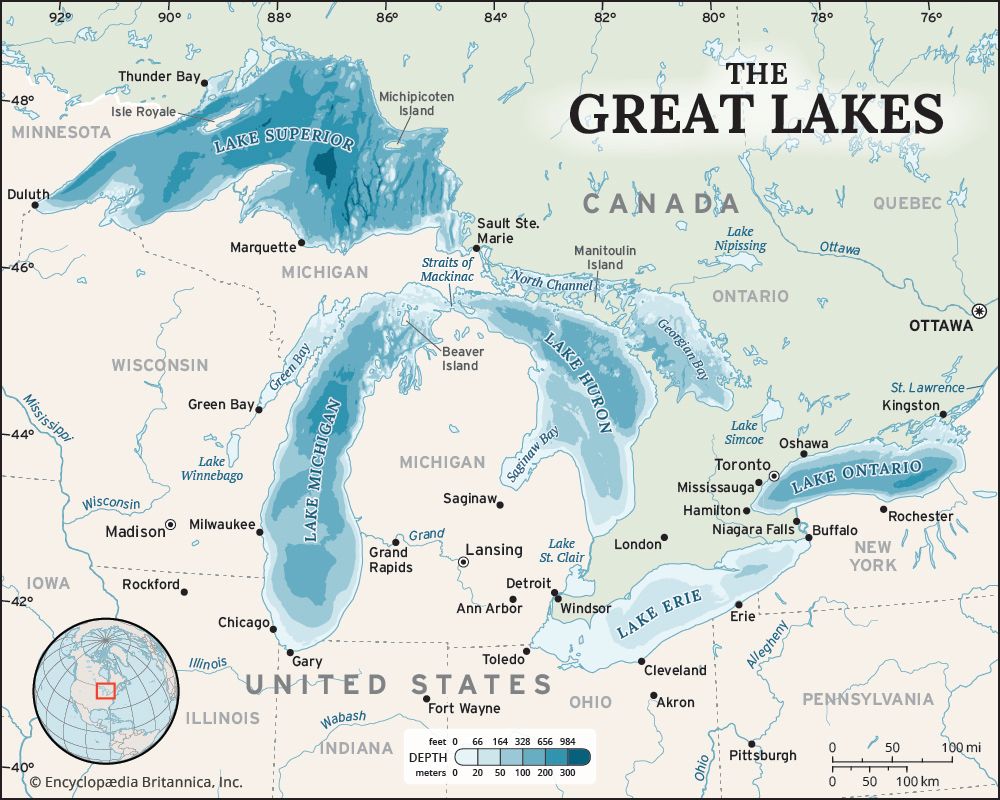
The Great Lakes system contains a total volume of approximately 25,000 cubic kilometers (6,000 cubic miles) of water.
What is the total volume of freshwater contained in the Great Lakes system?
The Great Lakes system contains a total volume of approximately 25,000 cubic kilometers (6,000 cubic miles) of water.1
The individual volumes of the lakes are as follows:
Lake
Volume (cubic miles)
Volume (cubic kilometers)
Superior
2,900
12,100
Michigan
1,180
4,920
Huron
850
3,540
Erie
116
484
Ontario
393
1,640
While these lakes represent the largest surface of fresh water in the world, they are part of a complex hydrologic cycle that is influenced by precipitation, evaporation, and human activity.214
What are some popular recreational activities associated with the Great Lakes?
The Great Lakes region offers a vast array of outdoor recreational opportunities, drawing visitors to its extensive shorelines, forests, and waters.
Water-Based Activities
- Sport Fishing: Following the introduction of coho and chinook salmon, as well as the restocking of lake trout, sport fishing has become a major industry on the lakes. Other popular species for anglers include walleye, bass, and whitefish./animal/bass-fish), and whitefish.678
- Boating: The lakes are highly popular for powerboating and sailing, supported by numerous marinas built along the shores.6
- Swimming and Beachgoing: Many miles of high-quality, sandy beaches provide popular destinations for swimming and relaxation during the summer months.96
Land-Based Recreation
- Hiking and Camping: The region features hundreds of state, provincial, federal, and county parks that offer extensive facilities for camping, picnicking, and hiking.96
- Nature Observation: Bird-watching is a favored activity, particularly at locations like Point Pelee and Whitefish Point, which serve as critical migration and nesting grounds.8
- Hunting: The forests surrounding the lakes are frequently used for hunting.9
How do invasive species affect the Great Lakes ecosystem?
Invasive species have significantly altered the Great Lakes ecosystem by disrupting native food webs, outcompeting indigenous species for resources, and causing substantial economic damage.10118
Key Invasive Species and Their Impacts
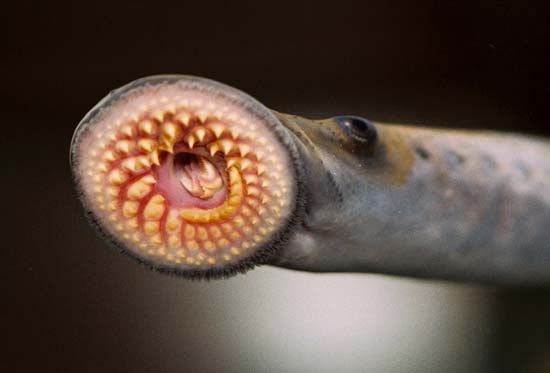
- Sea Lamprey: This parasitic fish, which entered the lakes via the Welland Canal, decimated populations of lake trout and other large predators by attaching to them and feeding on their fluids. While international control programs have reduced their numbers by approximately 90 percent, they remain a major threat to native fish.108
- Zebra and Quagga Mussels: These mollusks disrupt the ecosystem by consuming vast amounts of phytoplankton, which forms the base of the aquatic food web. They also cause significant infrastructure damage by clogging water-intake pipes and fouling boat hulls.11128
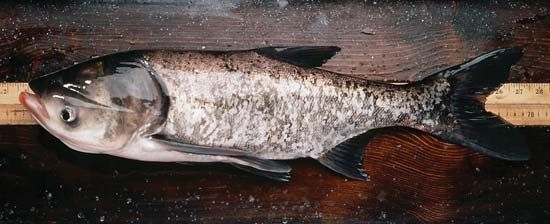
- Asian Carp: Species such as the bighead and silver carp pose a severe threat due to their rapid consumption of plankton, which could starve native fish populations. Efforts to prevent their entry into the lakes include the use of electric fish barriers.13
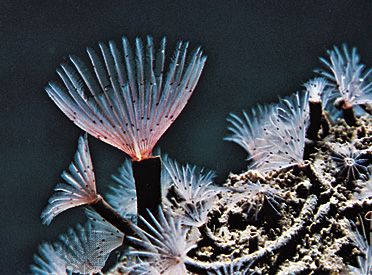
- Other Species: The round goby competes with native species for food and habitat, while the ruffe preys on the eggs of native fishes.8
How do the Great Lakes impact the climate and environment of the surrounding regions?
The Great Lakes exert a profound influence on the climate of the surrounding region by acting as massive heat reservoirs. Because large bodies of water store heat during warmer months and release it gradually during colder periods, they exert an ameliorating effect on local temperatures, resulting in cooler summers and warmer winters than would otherwise occur in the region.14415
Climate and Weather Impacts
- Temperature Moderation: The lakes stabilize the regional climate by absorbing heat in the summer and losing it to the atmosphere in the winter.14415
- Snowbelts: During the winter, cold air masses passing over the relatively warmer, moisture-laden lake surfaces can become unstable. This process often leads to heavy, localized snowfall along the downwind, or lee, shores of the lakes, creating distinct “snowbelts” that affect cities such as Buffalo and Erie.144
- Storm Activity: The lakes can host severe storms, particularly in late fall and early winter, which may generate gale-force winds and significant wave heights.4
Sources
- Areas and Volumes of the Great Lakes — Encyclopædia Britannica
- lake - Occurrence — Encyclopædia Britannica
- Great Lakes - Physiography of Great Lakes — Encyclopædia Britannica
- Great Lakes - Hydrology and climate — Encyclopædia Britannica
- Great Lakes — Encyclopædia Britannica
- Michigan - Sports and recreation — Encyclopædia Britannica
- Great Lakes - Fishing and recreation — Encyclopædia Britannica
- Great Lakes - Plant and animal life — Encyclopædia Britannica
- Lake Michigan — Encyclopædia Britannica
- sea lamprey — Encyclopædia Britannica
- zebra mussel — Encyclopædia Britannica
- Asian carp — Encyclopædia Britannica
- quagga mussel — Merriam-Webster
- lake - Problems and effects — Encyclopædia Britannica
- Great Lakes: Top Questions — Encyclopædia Britannica
- Great Lakes - The economy — Encyclopædia Britannica
Published on · 3 min read