Lauraceae
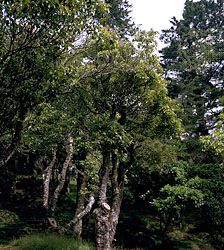
Lauraceae, commonly known as the laurel family, is a group of flowering plants within the order Laurales. It comprises approximately 50 genera and over 2,500…
What is the Lauraceae plant family?
Lauraceae, commonly known as the laurel family, is a group of flowering plants within the order Laurales. It comprises approximately 50 genera and over 2,500 species of mostly evergreen trees and shrubs distributed throughout tropical and subtropical regions, particularly in Southeast Asia and tropical America.12
Characteristics
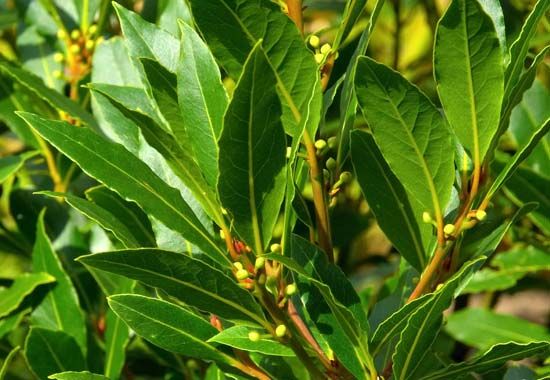
Most species are strongly aromatic due to essential oil cavities found in their leaves, wood, and bark. Their leaves are typically leathery and arranged alternately or in whorls. The flowers are generally small and clustered, with floral parts developing in multiples of three, while the fruits are typically fleshy berries or drupes.13
Economic Importance
The family is highly significant economically. It includes:
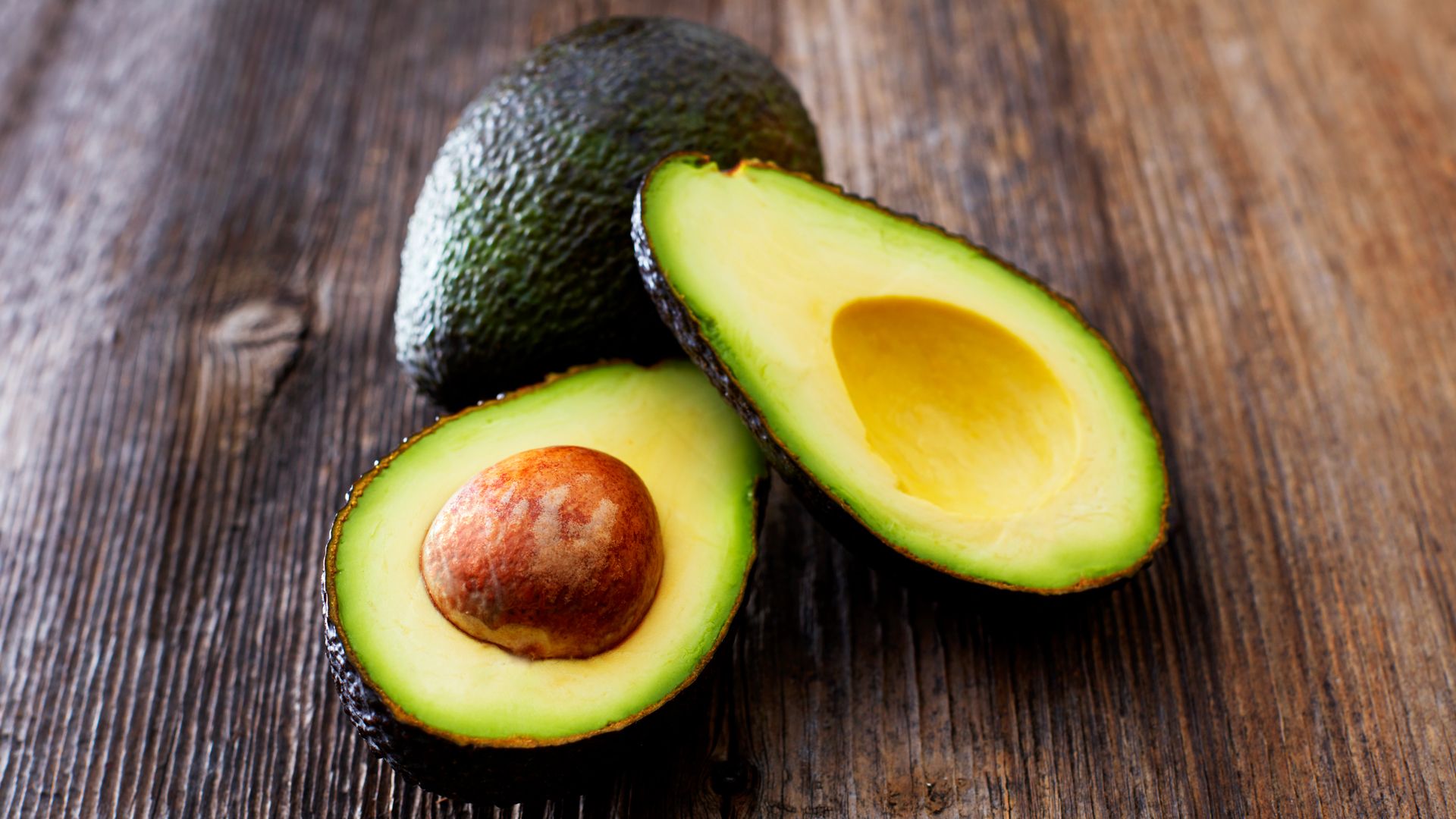
- Food: The avocado (Persea americana).14
- Spices: Cinnamon and camphor, derived from Cinnamomum species.14
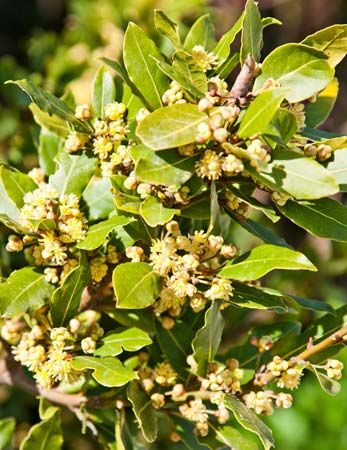
- Flavorings: Bay laurel leaves.14
- Timber: Various valuable woods, such as greenheart.14
What types of plants are included in the Lauraceae family?
The Lauraceae family, or laurel family, consists of approximately 50 genera and over 2,500 species of mostly evergreen trees and shrubs. These plants are primarily distributed throughout tropical and subtropical regions, with a high concentration in Southeast Asia and tropical America.12
The family is characterized by its aromatic nature, as most species contain essential oil cavities in their leaves, wood, and bark. While the vast majority are woody plants, the family includes a wide variety of forms, ranging from economically significant fruit and spice producers to unique parasitic types.146
Notable Genera and Species
The majority of Lauraceae species are concentrated in seven major genera:12
- Ocotea: Includes about 400 species, some of which are used for timber or as sources of poisonous alkaloids.16
- Litsea: Comprises more than 200 species found in Asia, Australasia, and America.12
- Cryptocarya: Contains about 350 species distributed across many tropical regions.12
- Cinnamomum: Includes approximately 250 species, such as the cinnamon tree and the camphor tree.16
- Nectandra: A neotropical genus featuring about 225 species.1
- Persea: Includes about 100 species, most notably the avocado (Persea americana).16
- Beilschmiedia: Contains about 250 species found in tropical regions, Australia, and New Zealand.12
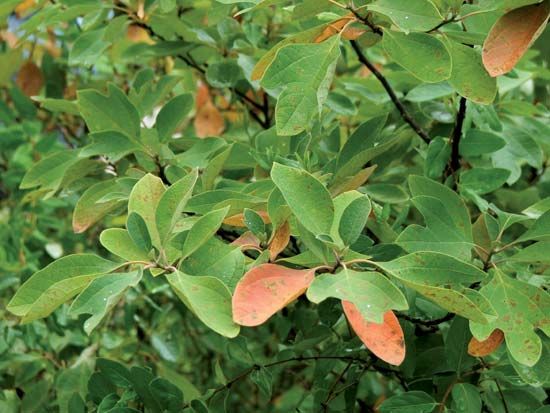
Other notable members include the bay laurel (Laurus nobilis), the North American spicebush (Lindera benzoin), and the sassafras tree. The most unusual member is the genus Cassytha, which consists of rootless, vinelike stem parasites.12
Where are Lauraceae plants commonly found in the world?
Plants in the Lauraceae family are primarily distributed throughout tropical and subtropical regions of the world. They are especially abundant in areas with moist, equable climates.157
Key regions of distribution include:
- Southeast Asia: This is one of the primary centers of diversity for the family.15
- Tropical America: The family is highly prevalent here, with Brazil noted as a particularly significant area.15
- Other Regions: Various genera are also found in South Africa, the Mascarene Islands, Australia, New Zealand, and parts of North America.15
While the family is predominantly tropical and subtropical, specific members have adapted to different environments. For example, the bay laurel is native to the Mediterranean, and certain species of sassafras and spicebush are found in eastern North America.15
What are some well-known examples of Lauraceae plants?
The Lauraceae family, commonly known as the laurel family, includes several well-known and economically significant plants. These species are often valued for their aromatic properties, culinary uses, and timber.18
Notable Examples
- Avocado (Persea americana): A highly nutritious fruit rich in healthy fats and vitamins, cultivated for thousands of years in regions like Mexico and Guatemala.48
- Cinnamon (Cinnamomum verum): A bushy evergreen tree whose dried inner bark is a popular spice used globally in both sweet and savory dishes.910
- Bay Laurel (Laurus nobilis): An evergreen native to the Mediterranean; its dried leaves are widely used as a culinary herb to flavor stews, fish, and meat dishes.111
- Camphor Tree (Cinnamomum camphora): A source of camphor, an aromatic substance used in pharmaceuticals, liniments, and formerly in the production of celluloid.14
- Sassafras (Sassafras albidum): A North American tree historically used for its aromatic bark and roots in teas and flavorings, though its oil is now recognized as a mild carcinogen.54
- Spicebush (Lindera benzoin): A shrub native to North America, known for its aromatic qualities.18
- Greenheart: A durable, dense timber tree from South America, prized for its resistance to decay in underwater applications.14
Sources
- Lauraceae — Encyclopædia Britannica
- Laurales - Lauraceae — Encyclopædia Britannica
- Lauraceae — Merriam-Webster
- Laurales - Lauraceae — Encyclopædia Britannica
- Laurales - Distribution and abundance — Encyclopædia Britannica
- bay laurel — Encyclopædia Britannica
- Laurales — Encyclopædia Britannica
- sassafras — Encyclopædia Britannica
- Bay leaf — Encyclopædia Britannica
- Laurales - Characteristic morphological features — Encyclopædia Britannica
- cinnamon: Top Questions — Encyclopædia Britannica
- cinnamon — Encyclopædia Britannica
Published on · 4 min read