Lobelia
Lobelia is a genus comprising over 400 species of flowering plants within the bellflower family (Campanulaceae). These plants are native to temperate and…
What is a lobelia plant?
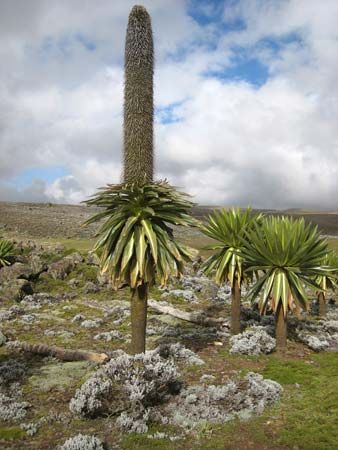
Lobelia is a genus comprising over 400 species of flowering plants within the bellflower family (Campanulaceae). These plants are native to temperate and warmer regions worldwide and exhibit a wide diversity of forms, ranging from annual or perennial herbs to rare arborescent “tree” lobelias found in tropical Africa.1
Most species are characterized by simple leaves and two-lipped, tubular flowers that typically feature five lobes. Many varieties are popular as garden ornamentals, such as the cardinal flower and the trailing lobelia.1
However, caution is necessary regarding certain species. Indian tobacco (L. inflata), while historically used in medicine, is now considered poisonous. It contains a dangerous alkaloid called lobeline, which can cause severe symptoms like convulsions or coma if ingested.12
What do lobelia plants look like?
Lobelia plants exhibit a wide diversity of forms, making them difficult to describe with a single appearance. While they are typically annual or perennial herbs, they can also appear as undershrubs or, in the case of certain tropical African species, as arborescent “tree” forms.1
Most species share the following physical characteristics:
- Leaves: Simple leaves that grow alternately along the stems.1
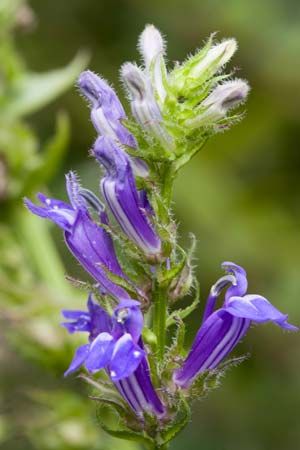
- Flowers: Two-lipped, tubular flowers that generally feature five lobes. These are often arranged with two erect upper lobes and a lower fan created by the remaining three lobes.1
- Sap: A milky, acrid sap.1
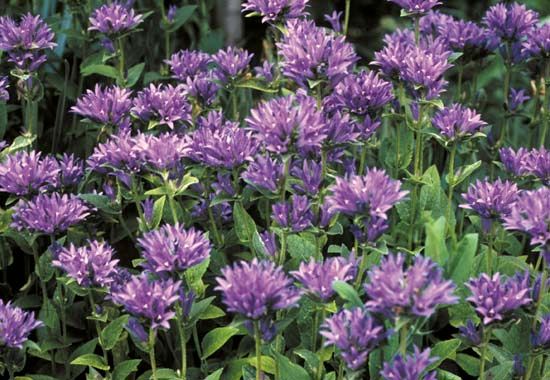
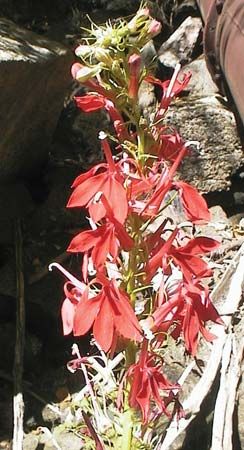
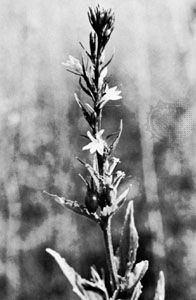
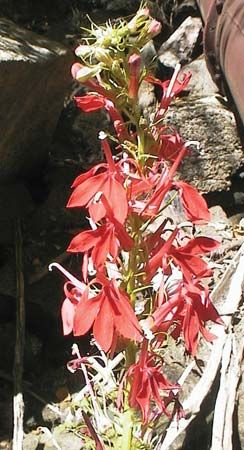
Specific species can look quite different from one another. For example, the cardinal flower is known for its rich crimson blooms, while the trailing lobelia is a dwarf plant often used for garden edging. In contrast, the water lobelia is an aquatic herb with submerged, spongy leaves and blue flowers that emerge above the water. Additionally, Indian tobacco is distinguished by its characteristic inflated capsules.13
Where do lobelia plants usually grow?
Lobelia plants are native to nearly all temperate and warmer regions of the world, with the notable exceptions of central and eastern Europe and western Asia.1
Because the genus includes over 400 species, their habitats are quite varied:
- Tropical and Warm Regions: Most species thrive in these climates, including unique arborescent “tree” lobelias found at high elevations on the mountains of tropical Africa.1
- North America: This region is home to species like the cardinal flower, native to the eastern United States, and Indian tobacco.1
- South Africa and Australia: These regions are sources for popular ornamental varieties, such as the trailing lobelia and the slender lobelia (L. tenuior), respectively.1
- North Temperate Zones: The water lobelia is found throughout this zone, while the acrid lobelia (L. urens) is found in damp pastures in England and western Europe.1
How are lobelia plants used in gardens?
Lobelia plants are widely cultivated as ornamental garden plants due to their attractive, showy flowers. Their use in gardens varies depending on the specific species and their growth habits:14
- Bedding and Edging: The dwarf blue trailing lobelia is a popular bedding plant frequently used for edging garden beds.1
- Showy Displays: Many species, including the cardinal flower and the great blue lobelia, are grown for their vibrant, colorful blooms. Various hybrids are also cultivated as hardy and showy additions to garden landscapes.1
- Greenhouse Cultivation: Certain species, such as the Australian slender lobelia, are typically grown in greenhouses.1
- Height and Structure: Larger species like L. tupa, which can reach heights of 1.8 to 2.4 meters (6 to 8 feet), provide significant vertical interest in a garden setting.1
While these plants are valued for their beauty, it is important to note that some species, such as Indian tobacco, contain toxic alkaloids and are considered poisonous if ingested.1
Sources
- lobelia — Encyclopædia Britannica
- Indian tobacco — Encyclopædia Britannica
- water lobelia — Merriam-Webster
- lobelia — Merriam-Webster
Published on · 3 min read