Laurales
Members of the Laurales order are well-known for their aromatic properties, which are derived from specialized ethereal oil cells found in their leaves…
What are some unique chemical compounds produced by plants in the Laurales order?
Members of the Laurales order are well-known for their aromatic properties, which are derived from specialized ethereal oil cells found in their leaves, bark, and wood. These plants produce a variety of chemical compounds that serve as secondary metabolites with defensive functions.1234
Key chemical compounds and substances associated with the order include:
- Alkaloids: Members of the magnoliid clade, which includes Laurales, are biochemically characterized by the presence of benzylisoquinoline or aporphine alkaloids. These compounds act as defensive agents for the plants.4
- Camphor: This well-known medicinal extract is derived from certain species within the order, most notably those in the genus Cinnamomum.15
- Essential Oils: The aromatic nature of the order is largely due to these volatile compounds, which are stored in numerous oil cavities within the leaves and other tissues. These oils are frequently harvested for use in perfumes and flavorings.351
Unlike some other plant groups, members of the Laurales order generally do not produce mustard oils, betalains, or iridoid compounds.4
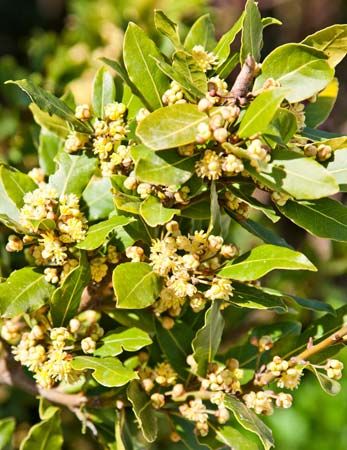
Which plant families are included in the Laurales order?
The Laurales order of flowering plants comprises 7 distinct families. These plants are primarily woody, ranging from trees and shrubs to vines, and are predominantly found in tropical or warm temperate regions.1
The families included in the Laurales order are:
- Atherospermataceae1
- Calycanthaceae1
- Gomortegaceae1
- Hernandiaceae1
- Lauraceae1
- Monimiaceae1
- Siparunaceae1
Together, the Lauraceae and Monimiaceae families account for the majority of the genera within the order.1
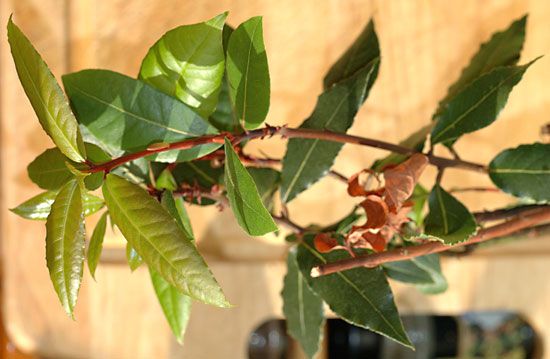
What are the typical floral structures found in plants of the Laurales order?
Plants in the Laurales order exhibit specialized floral structures that distinguish them from related orders like Magnoliales. A defining characteristic is the presence of a hypanthium—a cup-shaped receptacle that influences the position of the floral organs.2
Floral Arrangement and Ovary Position
Most Laurales species possess either perigynous or epigynous flowers:
- Perigynous: The hypanthium surrounds a semi-inferior ovary, with the perianth and stamens inserted on the rim.2
- Epigynous: The hypanthium encloses and fuses with an inferior ovary, with floral parts arising from the top.2
Stamens and Pollination
The stamens of Laurales are typically specialized rather than leaflike. A hallmark feature in most species is the release of pollen through valvular dehiscence, where small flaps open on the anthers. Many stamens also feature nectar-bearing appendages at the base of their filaments, which serve as nectaries. Additionally, staminodia—sterile, non-pollen-producing stamens—are frequently found positioned between the stamens and the carpels.24
Perianth and Carpels
The perianth is often not clearly differentiated into distinct sepals and petals. While female structures typically consist of a single carpel, some families, such as Calycanthaceae and Gomortegaceae, may possess multiple or fused carpels.627
What are some economically important plants from the Laurales order?
The Lauraceae family is the most economically significant group within the Laurales order, providing a variety of foods, spices, and industrial materials.8
Food and Spices
- Avocado: Persea americana is a highly nutritious fruit valued for its protein, healthy fats, and vitamins. It has been cultivated for thousands of years, with major modern production in countries like Mexico, Peru, and the United States.89
- Cinnamon: Derived from the inner bark of Cinnamomum zeylanicum and related species, this spice is used globally in both sweet and savory dishes. Its essential oils are also utilized in perfumes and pharmaceuticals.810
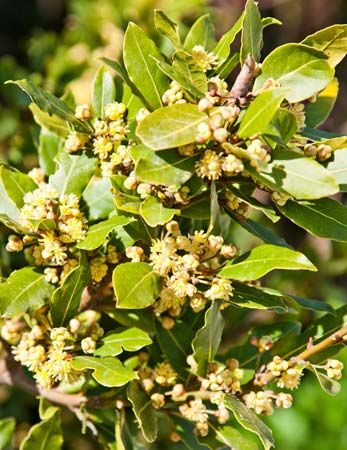
- Bay Laurel: The leaves of Laurus nobilis are a staple culinary herb used to flavor meats and fish.811
Industrial and Medicinal Uses
- Camphor: Obtained from the wood of Cinnamomum camphora, this compound is used in liniments, insecticides, and formerly in the production of celluloid.8
- Timber: Many species in the genus Ocotea have been harvested for wood. Notably, Chlorocardium rodiei (greenheart) is highly valued for underwater construction due to its durability and strength.8
Sources
- Laurales — Encyclopædia Britannica
- Laurales - Characteristic morphological features — Encyclopædia Britannica
- magnoliid clade - Diversity of structure — Encyclopædia Britannica
- Laurales - Lauraceae — Encyclopædia Britannica
- Lauraceae — Encyclopædia Britannica
- Laurales - Other families — Encyclopædia Britannica
- Laurales - Evolution — Encyclopædia Britannica
- Laurales - Lauraceae — Encyclopædia Britannica
- cinnamon — Encyclopædia Britannica
- Avocado — Encyclopædia Britannica
- bay laurel — Encyclopædia Britannica
Published on · 3 min read