Lemon Balm
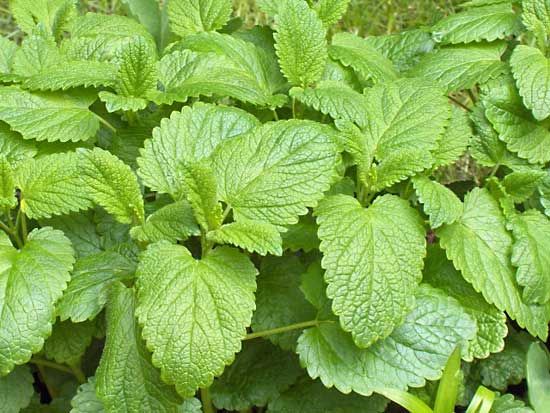
Lemon balm (Melissa officinalis), an aromatic herb in the mint family, has a long-standing history of use in traditional medicine. Native to the…
What is the historical significance of lemon balm in herbal medicine?
Lemon balm (Melissa officinalis), an aromatic herb in the mint family, has a long-standing history of use in traditional medicine. Native to the Mediterranean and Central Asia, it has been utilized for generations as a natural remedy for a variety of ailments.1
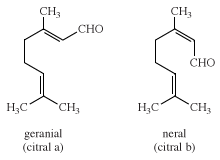
Historically, the plant has been valued for its therapeutic properties, particularly as a digestive aid and a sleep aid. Its leaves are commonly prepared in herbal teas to help soothe the body. Beyond its internal medicinal applications, the plant’s essential oil is frequently employed in aromatherapy for its fragrant, lemon-scented properties, which are derived from compounds such as citral, geraniol, and citronellal.1
While its culinary uses in soups, salads, and liqueurs are well-documented, its enduring legacy remains rooted in its traditional role as a versatile herbal remedy.12
How is lemon balm cultivated and what are its growing requirements?
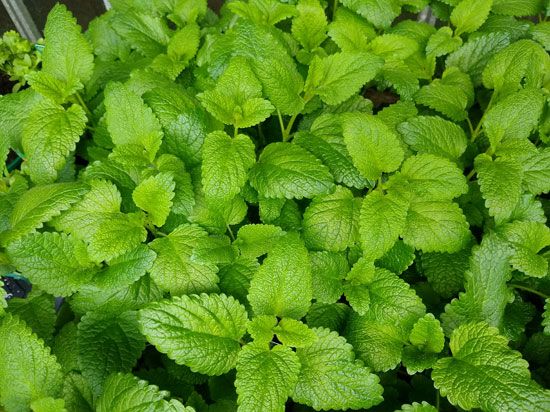
Lemon balm (Melissa officinalis) is a hardy, bushy perennial that is widely cultivated in temperate climates. It is highly regarded for its ease of growth, making it a popular choice for garden borders, ground cover, or as an ornamental plant.1
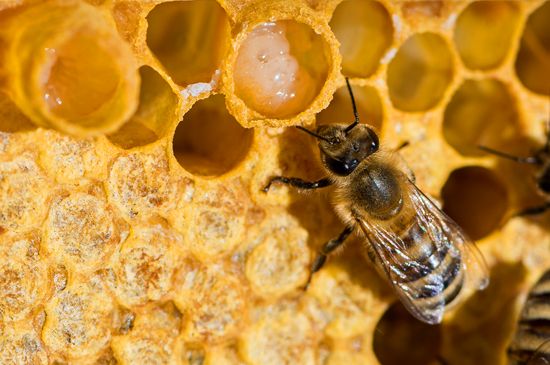
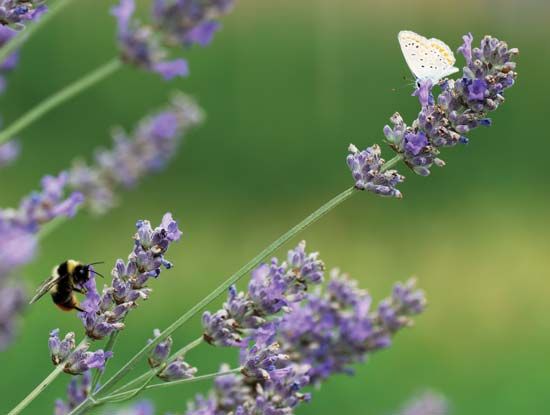
While specific soil and light requirements are not detailed in the provided search results, the plant is known to thrive in temperate regions and has successfully naturalized in various parts of the world, including North America. Its cultivation is often supported by beekeepers, as the plant’s inconspicuous white, yellow, or purple flowers serve as an excellent nectar source for honeybees and other pollinators.13
Because it is a member of the mint family (Lamiaceae), it is generally adaptable, though gardeners should be aware of its potential to spread.13
How is lemon balm used in natural skincare and beauty products?
Lemon balm (Melissa officinalis) is utilized in the beauty and skincare industry primarily through its essential oil. This oil is valued for its distinct lemon-scented fragrance, which makes it a common ingredient in perfumery and various cosmetic products.13
While the plant is widely recognized for its culinary and medicinal applications, its role in beauty is largely defined by its aromatic properties rather than specific dermatological functions mentioned in the available data.13
How is lemon balm used in culinary applications?
Lemon balm (Melissa officinalis) is a versatile aromatic herb widely used in culinary traditions to add a distinct lemon-scented flavor to a variety of dishes and beverages. Its leaves can be used either fresh or dried to enhance the profile of several preparations:
- Savory Dishes: It is commonly used to season salads, soups, sauces, and stuffings.), sauces, and stuffings.31
- Beverages: The herb is a popular flavoring for herbal teas, liqueurs, wine, and various fruit drinks.431
- Confections: It is also utilized as a flavoring agent in candies.3
The use of this herb in drinks, particularly wine, has a long history, with roots tracing back to ancient Greek and Asian cultures.1
Sources
- lemon balm — Encyclopædia Britannica
- lemon balm — Merriam-Webster
- lemon balm: Top Questions — Encyclopædia Britannica
- Balm — Encyclopædia Britannica
Published on · 2 min read