Lamiaceae
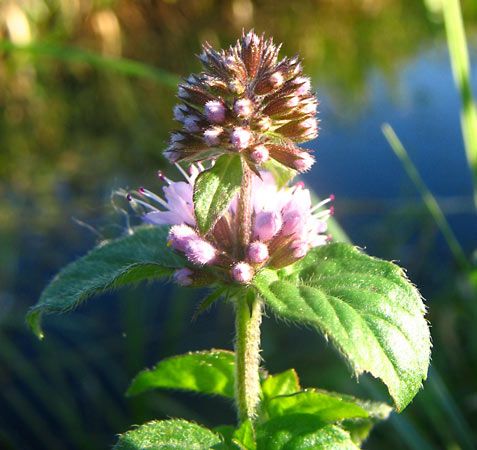
The Lamiaceae family, commonly known as the mint family, comprises 236 genera and more than 7,000 species. It is recognized as the largest family within the…
How many genera and species are included in the Lamiaceae family?
The Lamiaceae family, commonly known as the mint family, comprises 236 genera and more than 7,000 species. It is recognized as the largest family within the order Lamiales.1
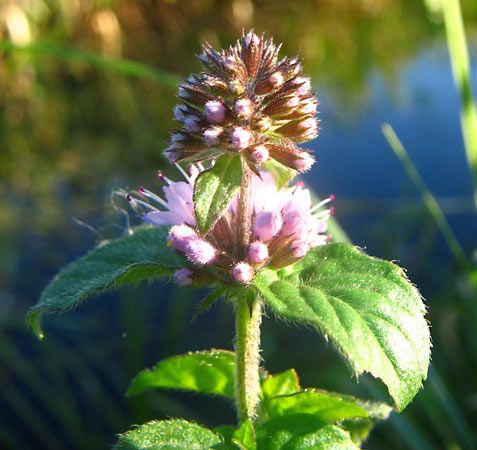
What are some common and well-known plants that belong to the Lamiaceae family?
The Lamiaceae family, often called the mint family, includes many well-known plants valued for their culinary, medicinal, and ornamental uses. These plants are characteristically aromatic, often featuring square stems and opposite leaves.324
Culinary Herbs
Many common kitchen staples belong to this family, prized for their essential oils and flavors:
- Basil (Ocimum basilicum) and holy basil
- Marjoram and oregano (Origanum species)
- Mint, including peppermint and spearmint
- Rosemary (Salvia rosmarinus)
- Sage (Salvia officinalis)
- Thyme (Thymus vulgaris)
- Savory (Satureja species)
Ornamentals and Other Notable Plants
The family also includes popular garden plants and those with historical or medicinal significance:
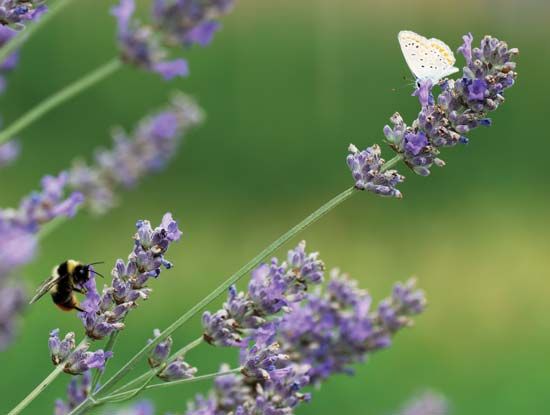
- Lavender (Lavandula species), widely used for fragrance.32
- Catnip (Nepeta cataria), known for its stimulating effect on cats.34
- Bee balm or bergamot (Monarda species), appreciated for their colorful flowers.32
- Coleus, popular for its vibrant foliage.32
- Bells of Ireland (Moluccella laevis), often used in floral arrangements.32
- Chia (Salvia hispanica), an important food crop.3
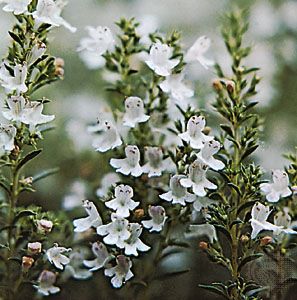
What is the geographical distribution of Lamiaceae plants around the world?
The Lamiaceae family, commonly known as the mint family, exhibits a widespread global distribution, though it has distinct primary and secondary centers of diversity.4
Primary Distribution
The primary center of distribution for the Lamiaceae family is the Old World, spanning from the Canary Islands across to the Himalayas. Other significant centers of diversity within this region include:4
- Ethiopia and Madagascar4
- Southern regions of Africa4
- India and Sri Lanka* India and Sri Lanka4
- Various oceanic regions extending eastward4
New World Distribution
In the New World, the family is primarily concentrated in mountainous regions ranging from central Mexico down through Argentina and Chile. From these areas, secondary centers of distribution radiate northward and eastward across the Americas.4
Members of the family, particularly those in the genus Mentha, are native to Eurasia, North America, southern Africa, and Australia.6
What economic importance do Lamiaceae plants have in agriculture and horticulture?
The Lamiaceae family holds significant economic importance in both agriculture and horticulture, primarily due to the presence of volatile oils and attractive foliage or flowers.15
Agricultural and Culinary Importance
Many members of the family are cultivated as essential culinary herbs, including basil, marjoram, oregano, rosemary, sage, savory, and thyme. The genus Mentha is grown commercially for its essential oils, which are used to produce menthol, peppermint, and spearmint for food flavorings, beverages, and dentifrices. Additionally, some species are utilized in herbal medicine and as natural pesticides for cereal crops.154
Horticultural and Timber Value
In horticulture, the family is prized for ornamental use in borders, bedding, and as groundcover, with popular examples including Lavandula, Salvia, and Monarda. Certain species, such as Plectranthus and Coleus, are valued as houseplants. Furthermore, the family includes important timber trees like teak (Tectona grandis) and Gmelina arborea, which are cultivated for their valuable wood and rapid growth.51
Sources
- Lamiaceae — Encyclopædia Britannica
- Lamiales — Encyclopædia Britannica
- list of economically important members of the family Lamiaceae — Encyclopædia Britannica
- Lamiales - Lamiaceae — Encyclopædia Britannica
- mint — Encyclopædia Britannica
- Laurales - Distribution and abundance — Encyclopædia Britannica
- mint: Top Questions — Encyclopædia Britannica
Published on · 3 min read