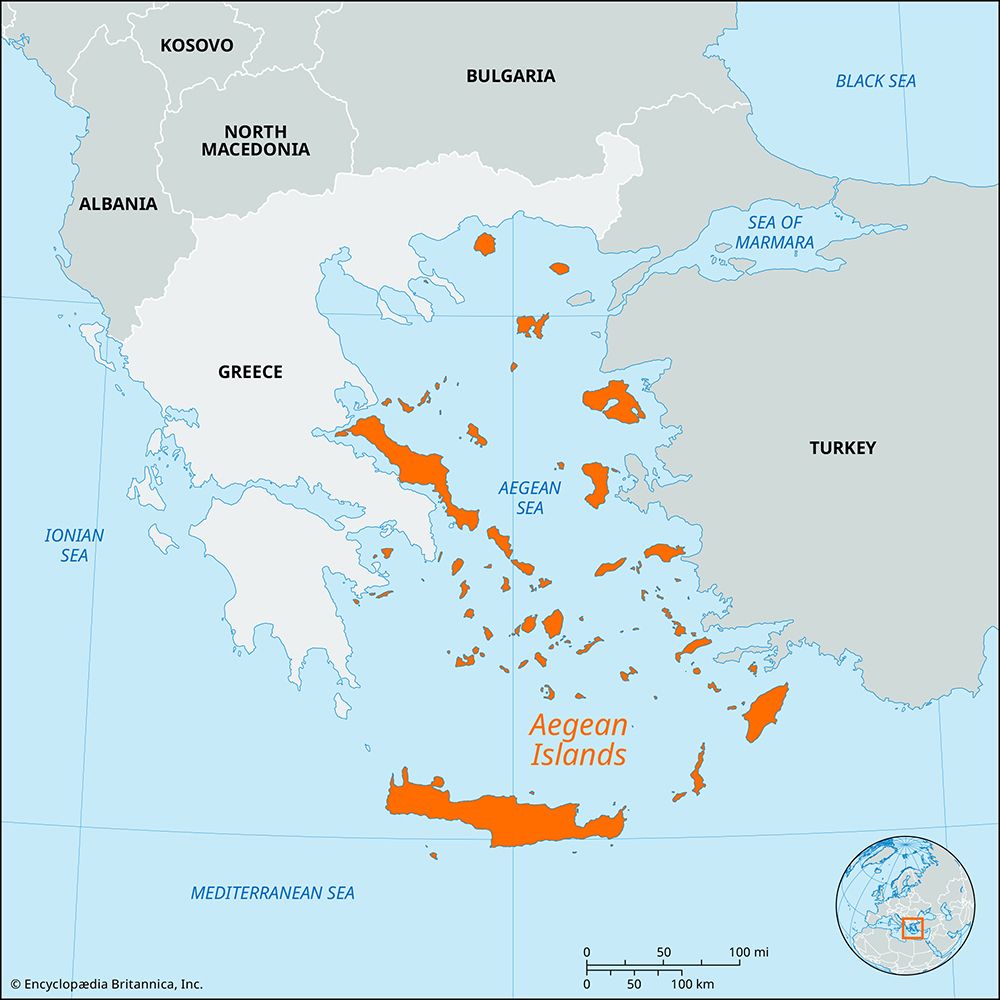
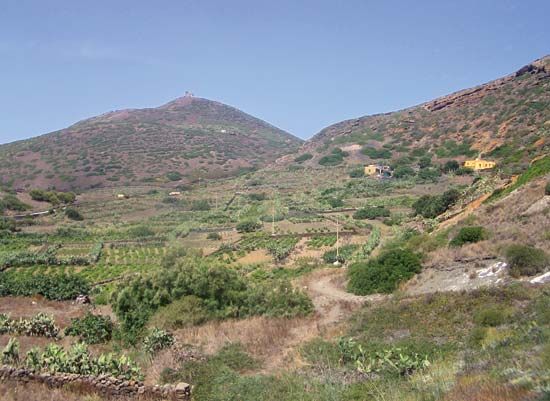
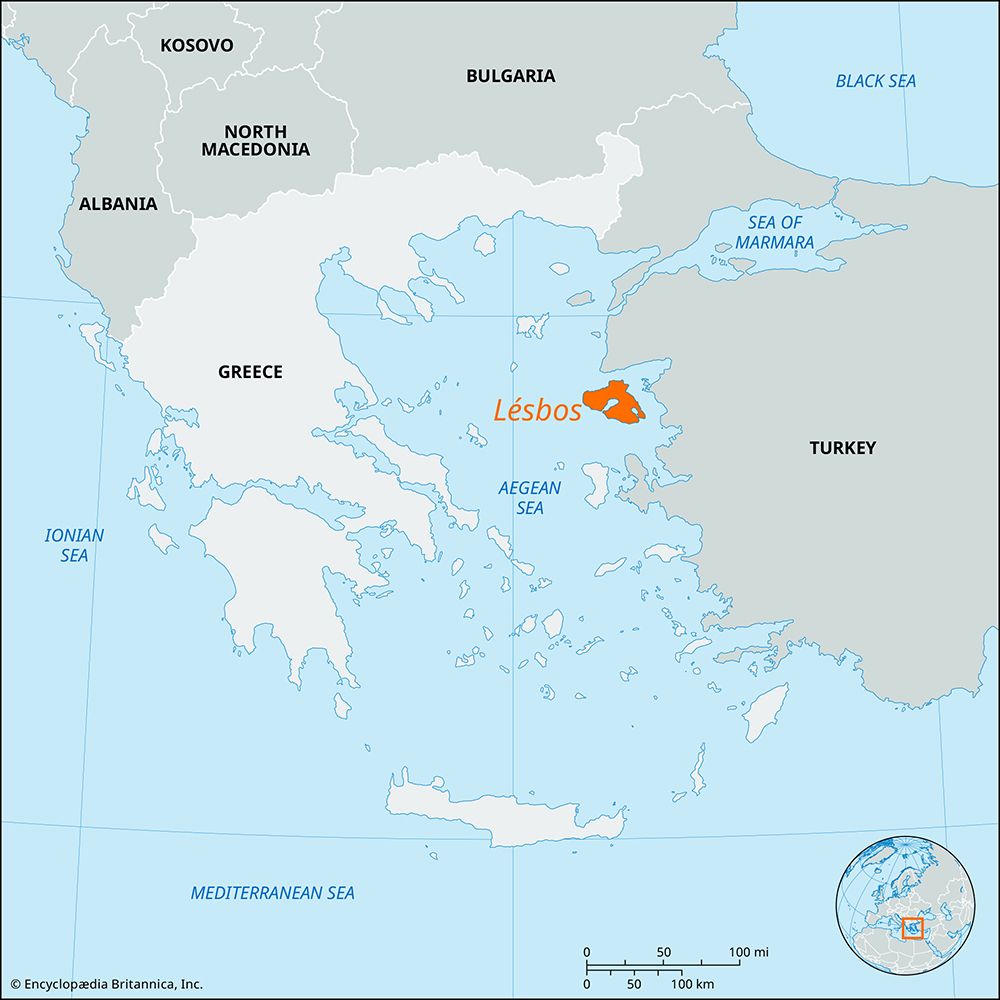
Lésbos
Lésbos held significant importance in the development of ancient Greek culture, particularly as a center for lyric poetry and intellectual life during the…
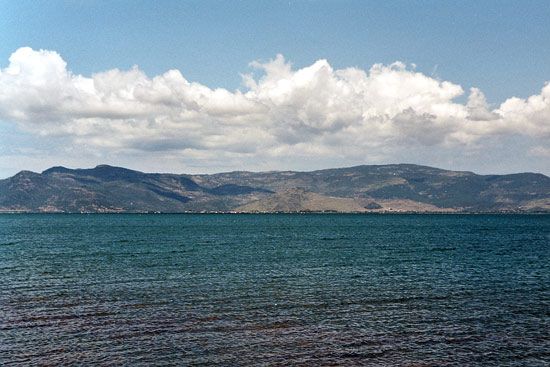
What is the historical significance of Lésbos in the development of ancient Greek culture?
Lésbos held significant importance in the development of ancient Greek culture, particularly as a center for lyric poetry and intellectual life during the 7th century BCE. As a primary settlement for Aeolian Greeks who migrated to the region around 1050 BCE, the island became a cradle for distinct artistic and literary traditions.123
The island’s cultural legacy is most famously defined by the poet Sappho, whose work remains celebrated for its concise, picturesque style and profound emotional depth. Sappho led a thiasos, a community of young women focused on education, music, and poetry, which served as a vital cultural institution. Alongside her contemporary Alcaeus, Sappho established Lésbos as a powerhouse of Greek verse. The island also produced other influential figures, such as the musician Terpander, the dithyrambist Arion, and later, the philosopher Theophrastus, who succeeded Aristotle.14
Beyond its literary contributions, Lésbos served as a strategic hub in the Aegean, balancing its internal political development—notably under the leadership of Pittacus—with its complex relationships with Athens, Sparta, and the Persian Empire.1
How has the island’s association with the poet Sappho impacted its cultural significance?
The association with the poet Sappho has profoundly shaped the cultural identity and historical legacy of Lesbos. As a central figure in 6th-century BCE lyric poetry, Sappho’s influence transformed the island into a symbol of artistic refinement and intellectual tradition.526
Her work, characterized by a concise and picturesque style, introduced the “sapphic” verse, a rhythmic pattern later adopted by renowned Roman poets like Catullus and Horace. Beyond her technical contributions, Sappho’s leadership of a thiasos—a community dedicated to the education of young women through music, dance, and poetry—cemented the island’s reputation as a site of sophisticated cultural and social initiation.52
Furthermore, the poet’s personal themes and homoerotic expressions within her poetry have inextricably linked the island’s name to the terminology for female same-sex relationships, often referred to as “sapphic love” or “lesbianism”. While much of her original work survives only in fragments, her enduring status as a literary icon ensures that Lesbos remains a significant touchstone in the study of ancient Greek culture and gender history.526
How has tourism impacted the island’s economy and environment in recent decades?
Sorry, the Britannica knowledge base does not contain information regarding the impact of tourism on the island’s economy and environment in recent decades.
What are some traditional customs and festivals celebrated on Lésbos?
As part of Greece, Lésbos shares in the broader cultural and religious traditions observed throughout the country. The most significant holiday periods on the island revolve around Easter and the Feast of the Dormition of the Virgin in mid-August.7
- Easter: This is the most important religious and family festival. Many residents return to their native villages to participate in traditional festivities, which include a church vigil on Saturday evening, the lighting of the Holy Fire at midnight on Easter morning, and the communal roasting of whole lambs on spits for the celebratory meal.7
- Summer Traditions: During the hot summer months, social life often moves outdoors. A common tradition is the volta, where much of the population strolls along the shore or through the main streets of towns at sundown. Leisure time is frequently spent in local cafés and coffee shops, which have historically served as important social hubs.7
- August: This month is traditionally recognized as the primary vacation period for the island’s inhabitants.7
Sources
- Lésbos — Encyclopædia Britannica
- Sappho — Encyclopædia Britannica
- Aeolis — Encyclopædia Britannica
- Aeolian — Merriam-Webster
- sapphic and Greek Poet Sappho — Merriam-Webster
- Sappho: Top Questions — Encyclopædia Britannica
- Greece - Daily life and social customs — Encyclopædia Britannica
- Lebanon - Daily life and social customs — Encyclopædia Britannica
Published on · 3 min read