Little Barrier Island
Little Barrier Island is a volcanic island located in the northern Hauraki Gulf off the eastern coast of the North Island of New Zealand. Spanning 11 square…
What is Little Barrier Island?
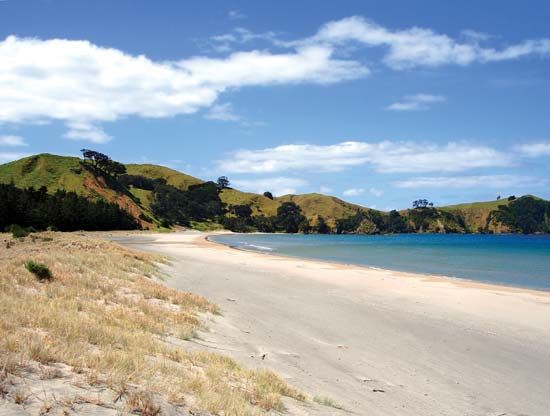
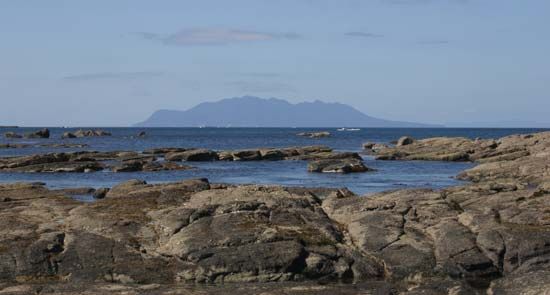
Little Barrier Island is a volcanic island located in the northern Hauraki Gulf off the eastern coast of the North Island of New Zealand. Spanning 11 square miles (28 square km), the island is characterized by steep, wooded terrain that reaches an elevation of 2,370 feet (722 m) at Mount Hauturu.1
Named by Captain James Cook in 1769, the island was acquired by the British government in the 1880s. Today, it serves as a protected wildlife sanctuary and has no permanent human population. Access is restricted, and visitors are required to obtain a permit from the Department of Conservation to land on the island.1
What unique species live on Little Barrier Island?
Sorry, the Britannica knowledge base does not contain this information.
How does the geography of Great Barrier Island compare to Little Barrier Island?
Both Little Barrier Island and Great Barrier Island are volcanic islands situated in the Hauraki Gulf off the coast of New Zealand’s North Island, yet they differ significantly in scale and usage.
Feature
Little Barrier Island
Great Barrier Island
Land Area
11 sq miles (28 sq km)
110 sq miles (285 sq km)
Highest Point
Mount Hauturu (2,370 ft)
Mount Hobson (2,038 ft)
Status
Wildlife sanctuary; no residents
Summer resort; farming/mining history
Location
North of Hauraki Gulf
Northeastern corner of Hauraki Gulf
While Little Barrier Island is characterized by steep, wooded terrain and deep ravines, Great Barrier Island is the largest island off the North Island and features a mountainous surface. The two are separated by the Cradock Channel, which serves as one of the northern entrances to the Hauraki Gulf.123
Why is it important to restrict public access to wildlife sanctuaries?
Restricting public access to wildlife sanctuaries is a vital ethical imperative for the preservation of global biodiversity. Because human beings are the primary drivers of biodiversity loss, limiting human presence is essential to mitigating the threats that lead to endangered species.5
The necessity of these restrictions is rooted in several key factors:
- Habitat Protection: Human activity is the leading cause of habitat loss and degradation. By minimizing human interference, sanctuaries can maintain the integrity of ecosystems and ensure the stability of the species within them.65
- Invasive Species Control: Human travel often facilitates the spread of introduced species, which can devastate native populations. Restricting access helps prevent the accidental introduction of non-native organisms.65
- Mitigating Direct Threats: Human presence can lead to unsustainable hunting, pollution, and the spread of disease, all of which directly threaten wildlife populations.5
Effective habitat management requires creating spaces where natural ecological processes can function without the disruptive influence of human activity.6
Sources
- Little Barrier Island — Encyclopædia Britannica
- Great Barrier Island — Encyclopædia Britannica
- Hauraki Gulf/Tīkapa Moana — Encyclopædia Britannica
- Hauraki Gulf — Merriam-Webster
- conservation - Habitat management — Encyclopædia Britannica
- Environment and sustainable development in India - Wildlife — Encyclopædia Britannica
- endangered species - Human beings and endangered species — Encyclopædia Britannica
Published on · 2 min read