Gaillardia
Gaillardia is a genus of leafy, branching herbs belonging to the Asteraceae family, native to North America. Commonly known as blanketflower, these plants…
What is Gaillardia?
Gaillardia is a genus of leafy, branching herbs belonging to the Asteraceae family, native to North America. Commonly known as blanketflower, these plants are frequently grown as garden ornamentals, particularly the species G. aristata and annual blanketflower (G. pulchella).12
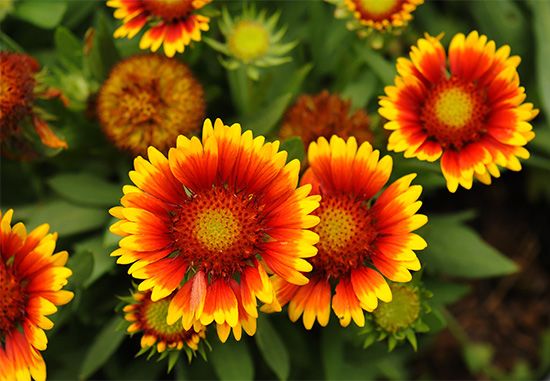
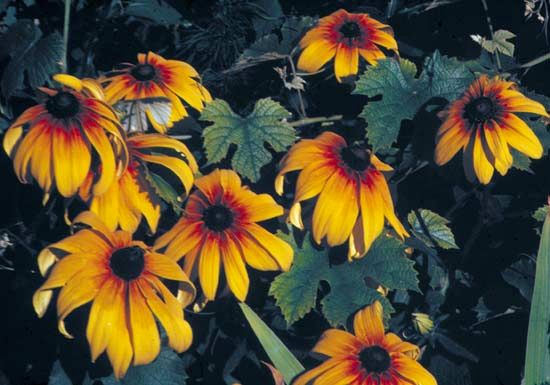
The plants are characterized by showy flower heads featuring purple disk flowers surrounded by yellow, orange, or white ray flowers. These ray flowers often have three or more teeth, providing the plant with a distinct, fringed appearance. Most species possess hairy leaves that are either clustered at the base or arranged alternately along the stem. The genus was named in honor of the 18th-century French magistrate and botanical enthusiast René Gaillard de Charentonneau.12
Why is Gaillardia commonly called blanketflower?
The common name “blanketflower” for the Gaillardia genus is derived from the plant’s appearance. The name refers to the way the flowers spread across the ground, creating a colorful, blanket-like effect in the wild or in gardens.123
While the genus is scientifically named after the 18th-century French magistrate René Gaillard de Charentonneau, the term “blanketflower” has been used to describe these Asteraceae herbs since at least 1874. The plants are well-known for their showy, multi-colored flower heads, which feature purple disk flowers surrounded by vibrant yellow, orange, or white ray flowers that often possess a distinct, fringed appearance.231
What are other plants in the Asteraceae family?
The Asteraceae family, also known as the aster, daisy, or composite family, is one of the largest families of flowering plants, comprising more than 1,620 genera and 25,000 species. These plants are distributed globally and include a wide variety of herbs, shrubs, and trees.456
Many members of this family are popular garden ornamentals, while others are significant food crops or known as common weeds. Notable examples include:75
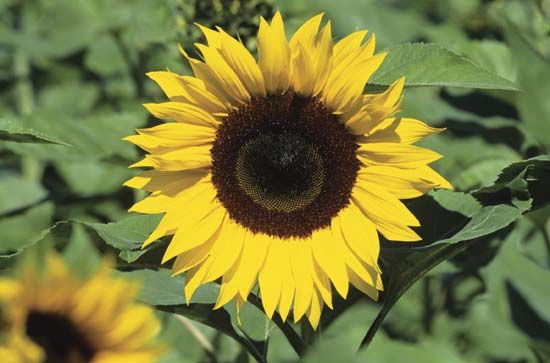
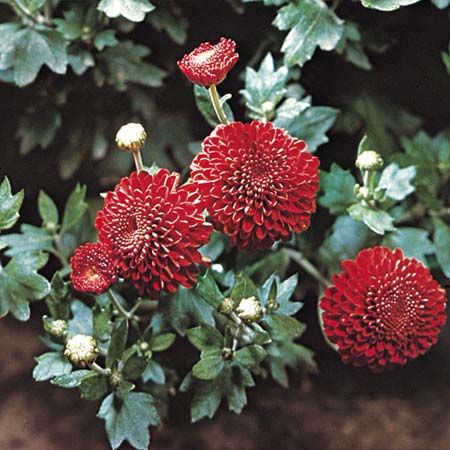
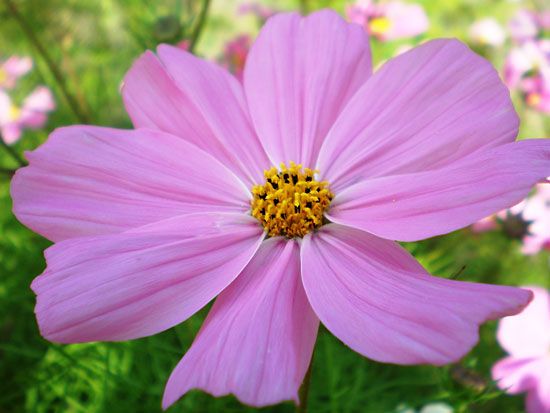
- Garden Ornamentals: Ageratum, aster, chrysanthemum, cosmos, dahlia, marigold, and zinnia/marigold), and zinnia.85
- Food Crops: Lettuce, artichoke, endive, salsify, sunflower, safflower, and stevialower), and stevia.85
- Wildflowers and Weeds: Dandelion, ragweed, thistle, yarrow, and goldenrod.675
- Daisies: Various species including the oxeye daisy and English daisy.8
These plants are characterized by their composite flower heads, which often look like a single flower but are actually composed of many small florets.95
How do annual and perennial plants differ?
The primary difference between annual and perennial plants lies in the duration of their life cycles.
- Annuals: These plants complete their entire life cycle—from germination to seed production and death—within a single growing season. The only part of an annual that typically survives to the next season is the dormant seed. Many common vegetables, such as corn and lettuce, as well as garden flowers like marigolds, are annuals.1011
- Perennials: These plants live for an indefinite number of years, regrowing and reblooming year after year. They may be herbaceous (like iris) or woody (like trees and shrubs). Perennials possess permanent or annually renewed storage structures that allow them to persist through multiple seasons.1012
It is worth noting that some plants, such as tomatoes, are perennials in their native tropical climates but are frequently grown as annuals in temperate zones because they can produce fruit in their first year. Additionally, biennials represent a middle ground, completing their life cycle over two growing seasons.1213
Sources
- Gaillardia — Encyclopædia Britannica
- gaillardia — Merriam-Webster
- blanketflower — Merriam-Webster
- Asteraceae — Encyclopædia Britannica
- list of plants in the family Asteraceae — Encyclopædia Britannica
- Asteraceae - Physical characteristics — Encyclopædia Britannica
- daisy — Encyclopædia Britannica
- Asteraceae - Economic importance — Encyclopædia Britannica
- Asterales - Asteraceae — Encyclopædia Britannica
- Is That Plant 'Perennial' or 'Annual'? — Merriam-Webster
- annual — Encyclopædia Britannica
- biennial — Encyclopædia Britannica
- life span - Perennials — Encyclopædia Britannica
Published on · 3 min read