Chrysanthemum
The genus Chrysanthemum consists of approximately 40 species of flowering plants belonging to the Asteraceae family. These plants are native primarily to the…
How many species of chrysanthemums are there, and what are some common varieties?
The genus Chrysanthemum consists of approximately 40 species of flowering plants belonging to the Asteraceae family. These plants are native primarily to the temperate and subtropical regions of the Old World, with a high concentration in East Asia.1
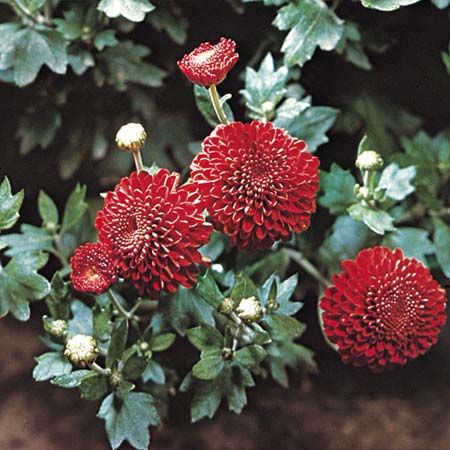
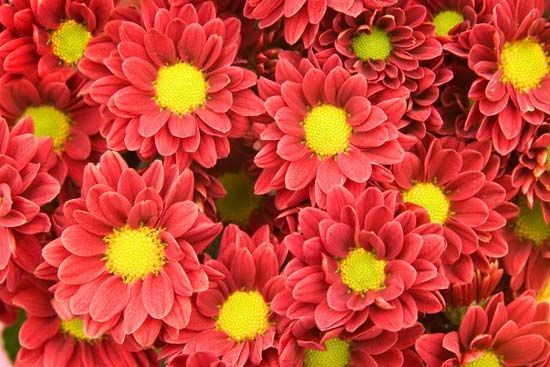
The most prominent species in the floral industry is the florist’s chrysanthemum (Chrysanthemum ×morifolium). This species features over 100 cultivars, which are categorized into various forms, including:
- Button
- Pompon
- Daisy
- Spider
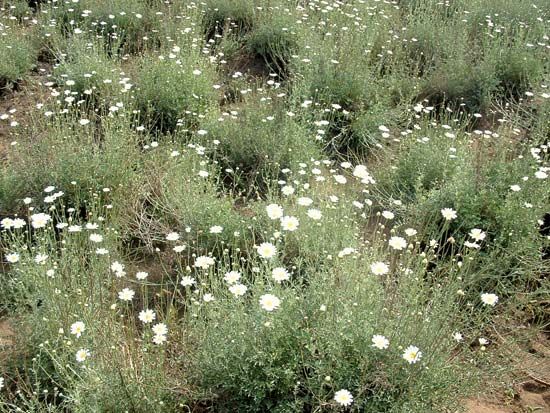
Additionally, the pyrethrum daisy (C. cinerariifolium) is notable for its use as a natural insecticide, while other species are often utilized as companion plants to repel insects from gardens. It is important to note that the taxonomy of this genus has undergone significant revisions, and many plants once classified as chrysanthemums—such as the corn marigold, feverfew, and Shasta daisy—are now placed in different genera.1
What is the botanical classification and origin of chrysanthemums?
The genus Chrysanthemum is classified within the aster family (Asteraceae). It comprises approximately 40 species of flowering plants, which are primarily perennial herbs or subshrubs perennial herbs or subshrubs.1
Regarding their origin, chrysanthemums are native to the temperate and subtropical regions of the Old World, with a particularly high prevalence in East Asia. The popular florist’s chrysanthemum (Chrysanthemum ×morifolium), a staple of the floral industry, was developed through the selection and hybridization of two Chinese wild species: C. morifolium and C. indicum.12
It is worth noting that the taxonomy of this genus has been subject to significant revision. Many plants previously categorized as chrysanthemums—such as the corn marigold, feverfew, and Shasta daisy—have since been reclassified into different genera.1
What role do chrysanthemums play in the floral industry and flower arrangements?
Chrysanthemums, often referred to as “mums,” are highly significant in the floral industry, primarily serving as popular fall-blooming ornamentals and staples of the cut-flower trade.1
The florist’s chrysanthemum (Chrysanthemum ×morifolium) is the most prominent species used in this sector. These large-flowered varieties are frequently grown under glass to ensure high quality for commercial arrangements. Because of their diverse morphology, they are highly versatile in floral design, appearing in various forms such as:2
- Button: Small, rounded, and compact blooms.
- Pompon: Spherical, dense flower heads.
- Daisy: Classic, flat-petaled flowers with a central disk.
- Spider: Distinctive, long, tubular petals that create a dramatic, spiky appearance.1
Beyond their aesthetic value in arrangements, certain species are valued for their functional properties, such as their ability to act as companion plants to repel insects from other ornamental crops.1
How are chrysanthemums used in traditional medicine and cuisine?
Chrysanthemums have a long-standing history of use in traditional Chinese medicine, primarily through the consumption of chrysanthemum tea.1
This herbal infusion is typically prepared using the dried flowers of the florist’s chrysanthemum (Chrysanthemum ×morifolium) or Dendranthema indicum (formerly C. indicum). In traditional practices, the tea is frequently utilized as a treatment for hypertension and is believed to help alleviate fevers, headaches, and inflammation.1
While the provided information highlights these medicinal applications, it does not detail specific culinary uses beyond the preparation of this tea. It is important to note that while some species are used for their medicinal properties, others, such as the pyrethrum daisy, are valued for their insecticide compounds rather than for consumption.1
Sources
- chrysanthemum — Encyclopædia Britannica
- florist's chrysanthemum — Merriam-Webster
Published on · 3 min read