Licorice
Licorice (Glycyrrhiza glabra) is a perennial herb native to southern Europe, prized for its sweet, slightly bitter flavor imparted by a substance called…
How is licorice extract produced and what are its common uses?
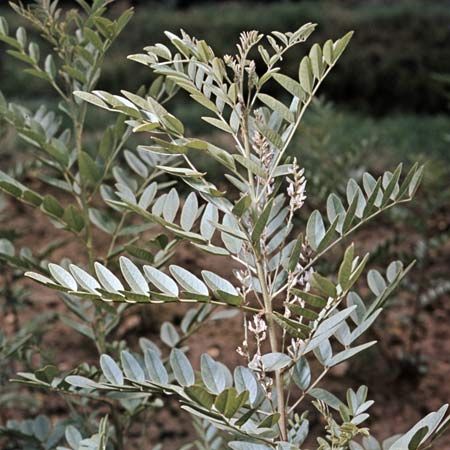
Licorice (Glycyrrhiza glabra) is a perennial herb native to southern Europe, prized for its sweet, slightly bitter flavor imparted by a substance called glycyrrhizin.1
Production
To produce licorice extract, the plant’s roots—which are typically about one meter long—are harvested, ground, and then boiled in water. This process creates a juice that is subsequently thickened to form a paste or extract. This concentrated substance serves as the base for various commercial products, including the pliable, black candy often referred to as licorice paste or black sugar.1
Common Uses
Licorice extract is utilized across several industries:
- Confectionery: It is a primary flavoring agent in candies.1
- Medicine: Due to its ability to effectively mask the taste of other medicines, it is a common ingredient in cough lozenges, syrups, and elixirs. It is also used in folk medicine to treat peptic ulcers and other disorders.1
- Other: It is used as a flavoring in tobacco and various liquors.12
What are some popular licorice-flavored products around the world?
Licorice extract is a versatile flavoring agent used globally in a variety of products. Because the provided search results do not list specific brand names or regional product varieties, I cannot provide a list of popular commercial products. However, the following categories highlight how licorice is commonly used as a flavoring:
- Confectionery: The most recognizable use is in licorice candy, often sold as pliable sticks or pastes, sometimes referred to as black sugar.1
- Medicinal Products: Due to its ability to mask bitter tastes, it is a frequent ingredient in cough lozenges, syrups, and elixirs.1
- Beverages and Tobacco: It serves as a flavoring agent in various liquors and tobacco products.12
It is worth noting that some products labeled as “licorice” may actually use anise as a substitute, as both plants share a similar sweet and slightly bitter flavor profile.12
How has licorice been used traditionally in medicine and confectionery?
The term “licorice” is derived from the Greek glykyrrhiza, meaning “sweet root,” a name that reflects the plant’s historical and culinary significance.12
Traditional Medicinal Use
Licorice (Glycyrrhiza glabra) has long been valued in folk medicine for its therapeutic properties. It is frequently used to treat peptic ulcers and a variety of other health disorders. Beyond its direct medicinal applications, licorice serves a vital role as a flavoring agent in cough lozenges, syrups, and elixirs. Its effectiveness in these preparations stems from its ability to mask the unpleasant or bitter tastes of other medicinal ingredients.1
Confectionery Use
In the realm of confectionery, licorice is a prominent flavoring agent. The roots are harvested, ground, and boiled to create a juice, which is then thickened into a paste. This extract is used to produce the familiar pliable, black candy often known as licorice paste or black sugar. Additionally, the extract is used to flavor tobacco and various liquors.12
How does the taste of licorice compare to other sweet substances?
The distinct flavor of licorice is characterized by a combination of sweetness and a subtle bitterness. This unique profile is primarily imparted by a substance known as glycyrrhizin, which provides its signature taste.1
When compared to other sweet substances, licorice is most frequently compared to anise. Both plants share a similar flavor profile, which is why anise is often used as a substitute for licorice in various products. Unlike common sweeteners such as sugar, which are primarily perceived as purely sweet, licorice possesses a more complex, layered taste that balances its inherent sweetness with a slightly bitter undertone. This complexity is precisely why it is so effective at masking the bitter or unpleasant tastes found in many medicinal preparations, such as cough syrups and elixirs and elixirs.1
Sources
- licorice — Encyclopædia Britannica
- licorice — Merriam-Webster
Published on · 3 min read