Chervil
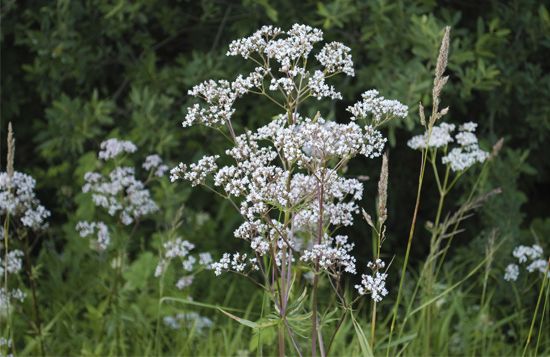
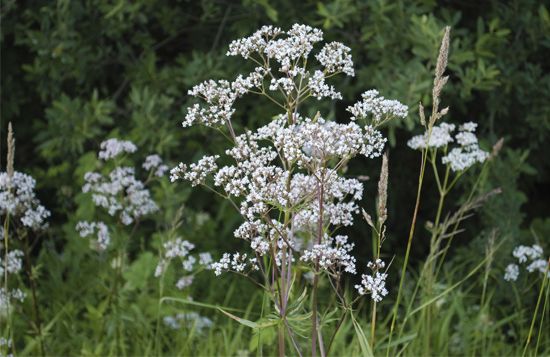
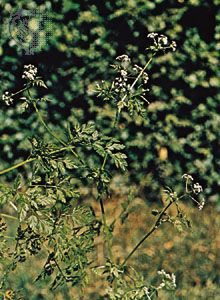
Chervil (Anthriscus cerefolium) is an annual herb belonging to the Apiaceae family. Native to western Asia and regions near the Black Sea and Caspian Sea, it…
What is chervil?
Chervil (Anthriscus cerefolium) is an annual herb belonging to the Apiaceae family. Native to western Asia and regions near the Black Sea and Caspian Sea, it is widely cultivated for its aromatic, lacy leaves.1
Culinary uses for chervil include flavoring eggs, soups, salads, fish, and meat dishes. It is a key component of the French fines herbes mixture and is known for its delicate aroma and a taste similar to anise. In some European regions, the plant’s root is also consumed as a vegetable.1
It is important to distinguish this from the turnip-rooted chervil (Chaerophyllum bulbosum), which is a separate biennial plant grown specifically for its edible, spindle-shaped tuber.2
What are fines herbes?
Fines herbes (literally “fine herbs” in French) is a classic culinary mixture of herbs used as a seasoning or garnish in French cuisine.345
While the specific composition can vary, the blend is traditionally composed of delicate, fresh herbs. Common ingredients found in this mixture include:
- Chervil: Valued for its lacy leaves and delicate aroma reminiscent of anise.1
- Tarragon: A bushy, aromatic herb that adds a distinctive tang and a flavor profile often compared to licorice or anise.4
This blend is frequently used to enhance the flavor of eggs, soups, salads, fish, and various meat dishes. First appearing in culinary records around 1750, the term remains a staple in professional and home kitchens for adding a refined, aromatic finish to a wide array of savory preparations.13
How does anise taste?
The flavor of anise (Pimpinella anisum) is widely characterized by its resemblance to licorice. This distinct taste is primarily attributed to anethole, the main component of the plant’s essential oil.667
The flavor profile is often described as “anisey,” a term used to denote a taste or smell similar to that of fennel or licorice. While star anise is an unrelated plant, it shares this same flavor profile, though it is often considered stronger and more pungent.8697
What other herbs belong to the Apiaceae family?
The Apiaceae family, also known as the carrot or parsley family, includes a vast array of aromatic plants. Beyond those already discussed, many other herbs and spices belong to this diverse group:101112
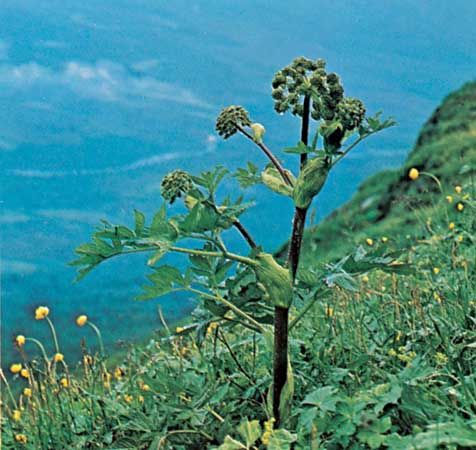
- Angelica: Often used in confectionery and herbal medicine.1011
- Asafoetida: A pungent resin used as a spice in various cuisines.10
- Caraway: Known for its distinctively flavored seeds used in baking and cooking.1012
- Celery and Celeriac: Cultivated for their stalks and roots, respectively.1011
- Cicely: An aromatic herb with a sweet, anise-like flavor.10
- Coriander/Cilantro: Widely used for both its leaves (cilantro) and its dried seeds (coriander).1012
- Cumin: A staple spice in many global cuisines, valued for its warm, earthy flavor.1012
- Dill: Popular for seasoning pickles, fish, and soups.1013
- Lovage: A tall herb with a flavor profile similar to celery.1011
It is important to note that while many members are edible, the family also includes highly poisonous species such as poison hemlock and water hemlock, which should never be consumed.101112
Sources
- chervil — Encyclopædia Britannica
- turnip-rooted chervil — Merriam-Webster
- fines herbes — Merriam-Webster
- tarragon — Encyclopædia Britannica
- fine herbs — Merriam-Webster
- anise — Encyclopædia Britannica
- star anise — Merriam-Webster
- star anise: Top Questions — Encyclopædia Britannica
- anisey — Merriam-Webster
- list of plants in the family Apiaceae — Encyclopædia Britannica
- Apiaceae — Encyclopædia Britannica
- Apiales — Encyclopædia Britannica
- dill — Encyclopædia Britannica
Published on · 2 min read